Key Benefits of Wireless Monitoring Systems for Industrial Facilities

Industrial facilities run on information. Knowing the temperature of a furnace, the vibration of a motor, or the pressure inside a pipeline can mean the difference between smooth operations and a costly shutdown. For decades, gathering this information meant running miles of cable through walls, ceilings, and machinery, a process that was expensive, disruptive, and often impractical in hard-to-reach areas. Wireless monitoring systems have changed that equation entirely. By replacing hardwired sensors with wireless networks, facilities can now collect real-time data from virtually anywhere on the plant floor, often at a fraction of the cost and complexity. This shift has made wireless monitoring one of the most valuable upgrades an industrial operation can make.
Cost Savings
The most immediate benefit of wireless monitoring is cost. Traditional wired systems require conduit, cable trays, junction boxes, and hours of skilled labor to install. Wireless sensors eliminate most of this infrastructure, cutting installation costs significantly and reducing the number of contractors needed on site. Because there’s no cabling to route around existing equipment, installation also causes far less disruption to ongoing operations, a major advantage for facilities that can’t afford extended downtime. Over time, wireless systems tend to have lower maintenance costs as well, since there are no cables to inspect, repair, or replace due to wear, moisture, or rodent damage.
Improved Flexibility and Scalability
Industrial facilities rarely stay static. Production lines get reconfigured, equipment gets replaced, and new areas of a plant come online. Wireless monitoring systems are built for this kind of change. Sensors can be added, removed, or relocated without tearing into walls or rerouting cable runs, making it easy to adapt monitoring coverage as needs evolve. This flexibility also makes scaling simple, whether a facility is adding a single sensor or expanding monitoring across an entirely new production line, wireless networks can grow incrementally without a major overhaul.
Real-Time Data and Remote Access
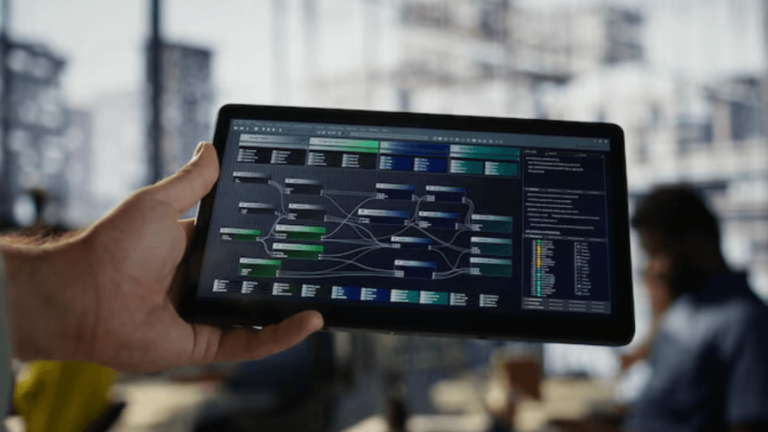
Wireless systems excel at delivering continuous, real-time visibility into equipment and environmental conditions. Data flows from sensors to centralized dashboards, where operators and managers can view current conditions from a computer or mobile device, whether they’re standing on the plant floor or working from an entirely different location. This remote access is particularly valuable for facilities with multiple sites, or for personnel who need to monitor conditions outside of normal business hours. When something goes wrong, instant alerts and notifications ensure that the right people know immediately, rather than discovering an issue during a routine inspection hours or days later.
Predictive Maintenance and Reduced Downtime
Perhaps the most transformative benefit of wireless monitoring is its role in predictive maintenance. Instead of relying on fixed maintenance schedules or waiting for equipment to fail outright, facilities can use continuous sensor data to detect early warning signs, unusual vibration patterns, rising temperatures, or shifts in pressure that indicate wear. This data-driven approach allows maintenance teams to address problems before they cause a breakdown, scheduling repairs during planned downtime rather than reacting to emergencies. The result is fewer unplanned outages, less production loss, and longer equipment lifespans.
Enhanced Safety and Compliance
Safety is a top priority in any industrial environment, and wireless monitoring adds a valuable layer of protection. Sensors can track hazardous conditions such as gas leaks, extreme temperatures, or abnormal pressure levels, alerting personnel before conditions become dangerous. Because alerts arrive in real time, response times improve dramatically compared to manual checks or wired systems with limited coverage. Wireless monitoring also simplifies regulatory compliance, since continuous data logging makes it easier to demonstrate adherence to safety and environmental standards and to generate the reports regulators require.
Coverage in Hard-to-Wire Areas
Some parts of a facility are simply difficult or dangerous to wire, rotating equipment, remote outdoor installations, or areas with extreme heat, moisture, or chemical exposure. Wireless sensors can be deployed in these locations without the safety risks or expense of running cable through hazardous zones. This opens up monitoring possibilities that were previously impractical, giving facilities complete visibility even into their most challenging areas.
Energy and Operational Efficiency
Beyond equipment health, wireless monitoring systems help facilities operate more efficiently overall. Real-time insights into energy consumption, temperature regulation, and resource usage allow managers to identify waste and adjust operations accordingly. This kind of data-driven optimization supports broader efficiency goals and aligns with sustainability initiatives that many industrial organizations are now prioritizing.
See also: Advanced scanning tech enhancing security and efficiency everywhere
Integration with Existing Systems
Modern wireless monitoring platforms are designed to work alongside existing industrial control systems and IoT infrastructure, rather than replacing them. This compatibility allows facilities to build toward Industry 4.0 and smart factory goals, centralizing data from multiple systems into a single, unified view. Rather than operating in silos, monitoring data can inform broader operational decisions across the entire facility.
Challenges and Considerations
Wireless monitoring isn’t without its trade-offs. Signal interference from thick walls, metal structures, or electromagnetic noise can affect reliability in certain environments, and facilities need to plan network architecture carefully to avoid dead zones. Cybersecurity is another consideration, since wireless networks introduce potential vulnerabilities that must be addressed through proper encryption and access controls. Battery-powered sensors also require periodic maintenance, though modern devices are increasingly designed for multi-year battery life to minimize this burden.
Wireless monitoring systems offer industrial facilities a powerful combination of cost savings, flexibility, safety, and operational insight. From enabling predictive maintenance to extending coverage into previously inaccessible areas, these systems address many of the limitations that made wired monitoring costly and cumbersome. While challenges like signal reliability and cybersecurity require thoughtful planning, the long-term value of real-time visibility and data-driven decision-making makes wireless monitoring an investment worth serious consideration for any facility looking to modernize its operations.