How Many Oz in a Pint: A Simple Guide to Everyday Liquid Measurements
Whether you’re following a recipe, pouring your favorite beverage, or trying to understand food labels, you’ve probably wondered how many oz in a pint. This is one of the most common measurement questions because pints and ounces are widely used in cooking, baking, and drink serving. However, the answer isn’t always as straightforward as it seems.
The reason is that different countries use different measurement systems. A pint in the United States is not exactly the same as a pint in the United Kingdom. Understanding these differences can help you avoid mistakes in the kitchen and improve accuracy whenever you measure liquids.
In this guide, you’ll learn exactly how many ounces are in a pint, why the numbers vary, practical conversion tips, and where these measurements are commonly used.
Understanding What a Pint Is
A pint is a unit of volume used for measuring liquids and, in some cases, dry ingredients. It belongs to the customary measurement systems used in countries such as the United States and the United Kingdom.
Although both countries use the term “pint,” their definitions differ slightly. This is why recipes, beverage containers, and measuring tools may not always match if they originate from different regions.
The pint is commonly used for measuring:
- Milk
- Water
- Juice
- Beer
- Ice cream
- Soups
- Cream
Knowing the correct pint size helps ensure consistency in cooking and serving.
See also: Seasonal Home Maintenance Tips That Help Prevent Bigger Repairs
How Many Oz in a Pint?
The answer depends on which measurement system you’re using.
United States Pint
In the United States:
1 US pint = 16 fluid ounces
This is the standard measurement used in American recipes, grocery stores, restaurants, and beverage containers.
Examples include:
- 1 pint of milk = 16 oz
- 1 pint of lemonade = 16 oz
- 1 pint of cream = 16 oz
For most people living in the US, this is the conversion they’ll use every day.
United Kingdom Pint
In the United Kingdom:
1 Imperial pint = 20 fluid ounces
The Imperial measurement system uses a larger pint than the American system.
For example:
- 1 UK pint of beer = 20 oz
- 1 UK pint of cider = 20 oz
This distinction becomes especially important when reading international recipes or ordering drinks while traveling.
Why Are US and UK Pints Different?
The difference comes from the history of measurement systems.
The United States continued using an older customary system after gaining independence, while the United Kingdom later standardized the Imperial measurement system in the 19th century.
As a result:
| Measurement | United States | United Kingdom |
| 1 Pint | 16 fluid ounces | 20 fluid ounces |
| System | US Customary | Imperial |
Although both systems use the word “pint,” they represent different volumes.
Everyday Examples of Pint Measurements
Understanding pint conversions becomes easier when you see them in daily life.
Milk Cartons
Many milk containers are sold in pint sizes.
- 1 US pint = 16 oz
- 2 pints = 1 quart
Ice Cream
Ice cream is frequently packaged by the pint.
A pint-sized container in the US contains 16 fluid ounces by volume, though the weight may differ depending on the product.
Beer
Beer is another common example.
- American pint = 16 oz
- British pint = 20 oz
Many pubs advertise “a pint,” but the actual serving depends on the country.
Common Pint to Ounce Conversions
Here are several useful conversions to remember.
| Pints | US Fluid Ounces |
| ½ pint | 8 oz |
| 1 pint | 16 oz |
| 2 pints | 32 oz |
| 3 pints | 48 oz |
| 4 pints | 64 oz |
These conversions are useful when doubling recipes or preparing beverages for groups.
When Accurate Measurements Matter
Even small measurement errors can affect the outcome of certain recipes.
Accuracy is especially important for:
- Baking cakes
- Bread making
- Homemade sauces
- Custards
- Specialty coffee
- Cocktail mixing
Professional chefs often measure liquids carefully to maintain consistency.
Fluid Ounces vs Weight Ounces
One point that often causes confusion is the difference between fluid ounces and ounces by weight.
Fluid ounces measure volume, while ounces measure weight.
For example:
- 16 fluid ounces of water weighs approximately 16 ounces.
- 16 fluid ounces of honey weighs much more because honey is denser.
- 16 fluid ounces of oil weighs less than 16 ounces.
Always check whether a recipe refers to volume or weight before measuring ingredients.
Helpful Kitchen Conversion Tips
Keeping a few simple conversions in mind makes cooking much easier.
Remember these:
- 8 oz = 1 cup
- 16 oz = 1 pint
- 32 oz = 1 quart
- 64 oz = ½ gallon
- 128 oz = 1 gallon
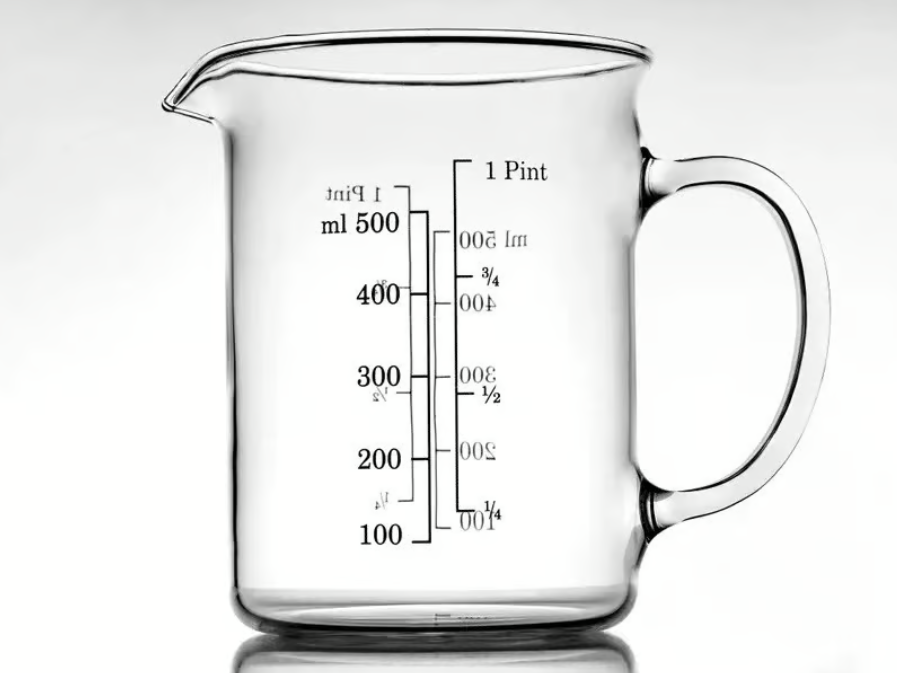
Many measuring cups include these markings, making conversions quick and convenient.
Digital Tools Make Measuring Easier
Today, many people use online conversion calculators instead of memorizing every measurement.
Reliable measurement resources can save time while reducing mistakes in recipes, school assignments, or DIY projects. If you’re looking for a complete guide to everyday measurement conversions, visit complete guide to everyday measurement conversions, where you’ll find helpful explanations covering a wide variety of common units used in daily life.
Common Mistakes to Avoid
Here are a few mistakes people frequently make:
- Assuming every pint contains 16 ounces worldwide.
- Confusing fluid ounces with weight ounces.
- Using UK recipes with US measuring cups without converting.
- Forgetting that some beverages are served differently depending on the country.
Paying attention to the measurement system helps prevent these issues.
Practical Uses Beyond the Kitchen
Pint measurements appear in many situations outside cooking.
Examples include:
- Home brewing
- Gardening solutions
- Laboratory experiments
- Food manufacturing
- Beverage serving
- Nutrition tracking
Understanding these units can make everyday tasks much simpler.
Final Thoughts
Knowing how many oz in a pint is a valuable skill for anyone who cooks, bakes, or works with liquid measurements. In the United States, one pint equals 16 fluid ounces, while in the United Kingdom, one pint equals 20 fluid ounces. Recognizing this difference helps ensure accuracy when following recipes, measuring beverages, or interpreting product labels.
By learning a few basic conversion rules and understanding when to use each system, you’ll feel much more confident handling measurements in everyday situations. Whether you’re preparing dinner, enjoying your favorite drink, or exploring international recipes, this simple knowledge can save time and prevent costly mistakes.