How to Plan an Unforgettable Helicopter Tour Across Nepal’s Himalayas
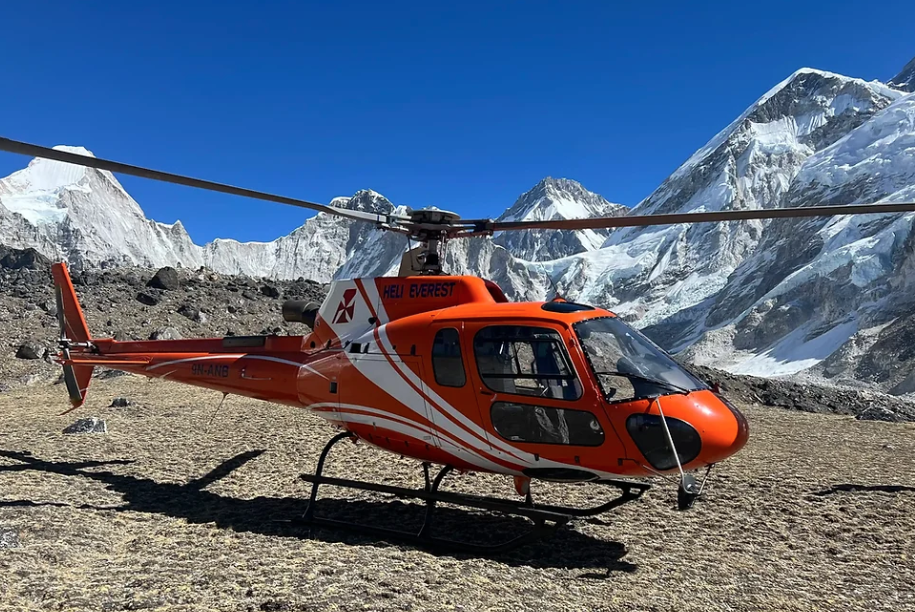
Nepal looks compact on a map, but the Himalayas change the meaning of distance. A short line between Kathmandu and a mountain valley can represent days of travel. A helicopter tour compresses that geography into a few hours, carrying passengers from terraced hills to glacier country without a long trek.
Route, season, operator standards, altitude, baggage and backup days all affect the experience. Planning does not remove the unpredictability of mountain aviation; it gives you sensible options when conditions change.
Decide What You Actually Want to See
Do not begin with the aircraft. Begin with the landscape or experience that matters most to you.
Everest is the classic choice. Flights into the Khumbu can reveal Lukla, Namche Bazaar, Ama Dablam, the Khumbu Glacier and the great wall of peaks around Everest. Some itineraries are continuous overflights, while others may include a brief high-altitude stop or breakfast near a mountain viewpoint when conditions and current operating rules allow.
An Everest helicopter tour suits travelers who want the scale of the region in a single morning. It should not be confused with landing at Everest Base Camp itself. Routes and approved stopping points can change, so read the current itinerary rather than relying on an old travel video.
The Annapurna and Mustang regions create a different mood. Here the view can shift from green foothills and the Pokhara Valley to the Annapurna and Dhaulagiri ranges, the Kali Gandaki corridor and Mustang’s dry, sculpted terrain. Muktinath adds a pilgrimage dimension, while a resort transfer near Jomsom can turn the flight into the beginning of a longer private escape.
Browse the available helicopter tour routes side by side before choosing. Compare actual flying time, planned stops, maximum altitude and starting point, not simply the destination name.
See also: Key Benefits of Modern Smart Pedestrian Crossing Technology
Choose Between a Shared Flight and a Private Charter
Shared departures lower the per-person cost and work well for travelers with flexible expectations. You will follow a set route and may need to accept assigned seating, passenger weight distribution and a fixed departure window. A shared flight is often the practical choice for a solo traveler or couple focused on a popular Everest circuit.
A private helicopter charter offers more control over the cabin and the wider itinerary. It can suit a family, photography team, honeymoon couple or group connecting to a remote lodge. Private use, however, does not remove aviation limits. The pilot still controls the route, seating, fuel stops and every weather-related decision.
Ask for the aircraft’s passenger and payload limits before comparing options. At high altitude, thinner air affects performance, so a group that fits comfortably at Kathmandu may need a shuttle arrangement farther into the mountains. Honest weight information is a safety requirement, not an intrusion.
Pick the Season, Then Protect a Backup Day
Spring and autumn are widely preferred for Himalayan visibility. March through May generally brings workable flying windows and mountain views, while the post-monsoon period from late September through November is valued for clearer air. Winter can produce sharp visibility too, although low temperatures, snow and wind may affect operations. Monsoon months bring more cloud, rain and disruption.
These are patterns, not promises. A poor morning can occur in a popular month, and a clear window can appear in a less favoured season. Mountain flights commonly leave early because cloud and wind often build later in the day, but the final decision belongs to the flight crew.
Place the tour near the start of your stay and leave at least one spare day. If weather grounds the aircraft, you can reschedule without compromising an international departure.
Evaluate the Operator Beyond the Photographs
Spectacular images are easy to market. Operational clarity is more revealing.
Ask which licensed aviation company will operate the flight, what aircraft is expected, and whether the pilots regularly fly the selected Himalayan route. Confirm how weather is assessed, how passenger weights are handled and what happens if the planned landing is unavailable. A credible company will explain uncertainty without using it as an excuse to avoid specifics.
The quote should identify what is included. Check for airport or hotel transfers, permits, meals, landing-related charges and taxes. Read the cancellation and rescheduling terms before paying a deposit. If the operator promises that weather can never affect the itinerary, look elsewhere.
Travel insurance also deserves attention. Ordinary policies may exclude high-altitude activities, private aviation or weather-related losses. Review the altitude limit and helicopter provisions rather than assuming the word “adventure” covers everything.
Treat Altitude as a Real Part of the Trip
A helicopter reaches elevation too quickly for gradual acclimatisation. Even a short stop can leave someone breathless, light-headed or uncomfortable. The risk depends on the altitude, ground time, individual health and route.
Tell the operator about relevant heart, lung, mobility or pregnancy concerns before booking, and seek medical advice when appropriate. During a high stop, move slowly and follow the crew’s instructions. Do not extend the landing for photographs if the pilot says it is time to leave.
Hydration helps, but it does not prevent altitude illness. Avoid heavy alcohol the night before and arrive rested. A responsible itinerary keeps high-elevation ground time brief and may change the stopping point if conditions require it.
Make the Booking Details Precise
Names should match passports exactly. Submit passenger weights honestly, including any requested allowance for clothing or personal items. Confirm the pickup address, local contact number, departure point and the time at which the operator will issue the final weather update.
For a tailored route, the helicopter booking request should include your preferred region, dates, group size, accommodation style, mobility needs and budget. Giving those details at the start produces a more realistic proposal than asking for a generic “best tour.”
Small communication errors can cause unnecessary friction. If a surname, email address or booking code is being confirmed by phone, a phonetic spelling tool can turn it into a clear NATO-style sequence. Use that for letters and references; ask a Nepali guide for the correct local pronunciation of destinations and personal names.
Pack for the Aircraft, Not for a Trek
Cabin and baggage space are limited. Take only what the operator permits, ideally in a compact soft bag. The essentials are straightforward:
- Passport or accepted identification
- Warm layers and a wind-resistant outer shell
- Sunglasses and sunscreen
- Sturdy, closed footwear
- Any required medication
- A charged phone or camera with a secure strap
Temperatures can differ sharply between Kathmandu and a mountain stop. Dress in layers that can be adjusted quickly. Avoid loose scarves, hats or equipment that could become hazardous near a running helicopter. Drones should stay at home unless their use has been explicitly authorised; protected areas and aviation zones can have strict restrictions.
Plan for Better Photographs Without Missing the Flight
Window reflections, vibration and rapidly changing light make aerial photography different from shooting on the ground. Wear darker clothing to reduce reflections, keep the lens close to the window without pressing against it and use a faster shutter speed where possible. A polarising filter can sometimes create uneven skies or interact badly with aircraft windows, so test it rather than assuming it will help.
Do not change seats or lean across another passenger unless the crew permits it. Weight distribution matters, especially at altitude. The best photograph is never worth interfering with a safety instruction.
It also helps to lower the camera occasionally. The route moves quickly, and many first-time passengers spend the whole flight looking at a screen. Capture a few deliberate sequences, then watch the valleys and peaks change with your own eyes.
Know What Happens on the Morning
Expect an early pickup, identity check, passenger weigh-in and safety briefing. Departure time may shift while the operations team reviews visibility, wind and conditions along the route. A delay at the airport can be frustrating, but it is preferable to launching into an unsuitable weather window.
Listen carefully to instructions about approaching the aircraft, doors, seat belts and loose belongings. Never walk toward the tail rotor, and do not leave the helicopter until the crew signals that it is safe. At any landing point, remain within the permitted area and return immediately when called.
Leave Room for the Himalayas to Decide
An unforgettable helicopter journey is not the one with the most ambitious schedule. It is the one planned around a clear priority, a reputable operator and enough flexibility to respect the mountains.
Choose the region for the experience it offers, compare shared and private options honestly, understand the altitude and read every booking condition. Then keep a backup day and accept that weather may rewrite the details. In Nepal, that flexibility is not a flaw in the plan. It is part of travelling responsibly through one of the most dramatic aviation environments on Earth.