How to Choose Yoga Leggings for Comfort and Everyday Movement
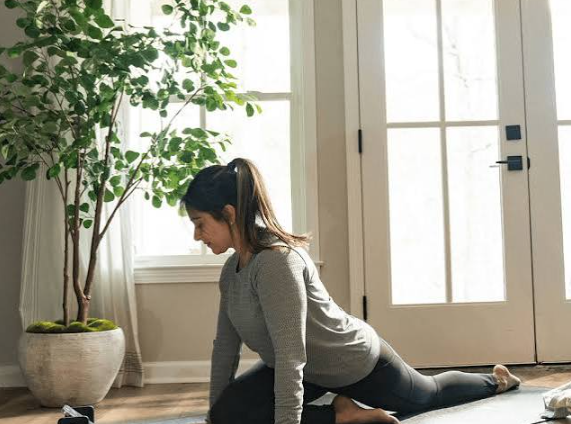
Activewear has become part of everyday clothing for people who value comfort, flexibility, and practical design. Leggings are used for yoga, stretching, gym sessions, walking, and casual activities because they allow a wide range of movement without the structure of traditional trousers.
However, not every pair is suitable for every activity. Fabric, fit, waistband design, opacity, and durability all influence how leggings feel during exercise. Understanding these features can help shoppers select clothing that suits their routines rather than choosing a product based only on its appearance.
Start With the Intended Activity
The first step is to consider how the leggings will be used. Yoga often involves stretching, bending, and holding positions, so freedom of movement and a comfortable waistband are important.
For walking or everyday wear, shoppers may prefer a softer fabric and a design that works well with casual tops. Gym training can place different demands on clothing, particularly when the wearer performs squats, lunges, or other repetitive movements.
Some leggings are designed for several activities, while others focus on a particular use. Product descriptions should explain the intended purpose, fabric composition, and care requirements.
Understand Fabric Composition
Activewear fabrics often combine synthetic fibers such as polyester or nylon with elastane for stretch. The exact blend affects softness, recovery, durability, and moisture management.
A fabric with suitable stretch should allow the wearer to move comfortably while returning to its original shape after use. Excessive compression is not necessary for every activity, and a very thin fabric may not provide the coverage some shoppers prefer.
Breathability is another consideration. During exercise, clothing that manages moisture effectively may feel more comfortable than fabric that remains damp for extended periods.
Shoppers should check the product specifications rather than assuming all leggings have the same performance characteristics.
Choose a Comfortable Fit
Fit affects both movement and confidence. Leggings should stay in place during ordinary activity without creating uncomfortable pressure around the waist, hips, or thighs.
A waistband that rolls down or digs into the skin can become distracting during exercise. The length should also suit the wearer and the intended style, whether full length, ankle length, or cropped.
Sizing charts can help, but measurements and garment construction differ between brands. When possible, shoppers should review the sizing guidance and return policy before ordering.
Check Coverage and Opacity
Coverage becomes particularly important during activities that involve bending or stretching. A fabric that appears opaque while standing may behave differently when stretched.
Construction, fabric weight, color, and fit can all influence opacity. Extremely tight sizing may stretch the material beyond its intended range.
Reviews may provide useful clues, but the garment’s actual specifications and fit remain important. Selecting the correct size and checking the product’s intended activity can help reduce uncertainty.
Consider Waistband and Seam Design
A well-designed waistband should support the garment without restricting breathing or movement. Some people prefer a high-rise style, while others find a mid-rise design more comfortable.
Seams can also affect the experience. Poorly positioned or bulky seams may rub during longer workouts. Flat seams and thoughtful panel placement may reduce friction, although comfort still depends on the individual’s body and the garment’s construction.
Details such as pockets, drawstrings, and reinforced panels can be useful when they serve a clear purpose.
Match Style With Practical Needs
Color and design are personal preferences, but they can influence how often an item is worn. Neutral shades may coordinate easily with different tops, while brighter colors and patterns can add variety.
Shoppers should also consider whether the leggings work with the footwear and layers they typically use. A versatile garment can serve several purposes, reducing the need to purchase separate clothing for every activity.
Care for Activewear Properly
Following the care label can help preserve elasticity, color, and fabric structure. Excessive heat, harsh detergents, and rough washing conditions may affect some performance fabrics.
Where the label permits, washing activewear promptly after sweaty sessions can help maintain freshness. Leggings should be dried according to the manufacturer’s instructions rather than exposed to unnecessary heat.
Inspecting seams and elastic periodically can help identify wear before it affects comfort.
Evaluate Value Instead of Price Alone
The cheapest garment may not offer the best long-term value if it loses shape quickly or becomes uncomfortable. On the other hand, a higher price does not automatically guarantee superior performance.
Shoppers should compare fabric details, construction, sizing information, care instructions, and return policies. A useful purchase is one that fits well and suits the activities for which it was bought.
Conclusion
Choosing leggings is easier when shoppers focus on activity, fabric, fit, coverage, and care requirements. A garment that feels comfortable during movement and fits the user’s routine is more likely to become a practical part of an active wardrobe.
By checking specifications and selecting a suitable size, shoppers can make more informed decisions about everyday activewear.