How Long Does Pool Recoating Take?
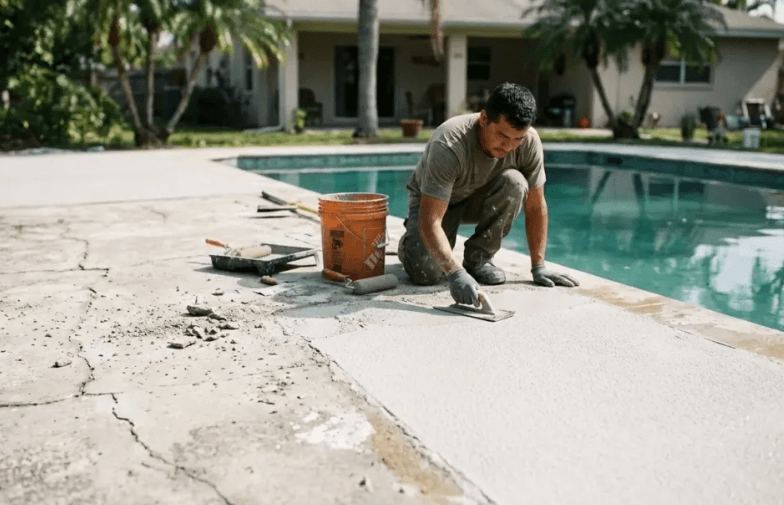
A worn, stained, or rough pool surface can make an otherwise beautiful backyard feel neglected. Pool recoating offers a practical way to restore the appearance of the pool while protecting the underlying structure from water, chemicals, and daily use. However, homeowners usually have one important question before scheduling the work: How long does pool recoating take?
For most residential swimming pools, the active recoating process takes approximately 5 to 10 working days. The complete timeline may extend to one or two weeks when draining, repairs, weather delays, refilling, and chemical balancing are included. Every project is different, so the condition of the existing surface and the selected finish can significantly affect the schedule.
What Is Pool Recoating?
Pool recoating involves placing a fresh protective finish over a prepared swimming pool interior. Depending on the pool and contractor, the new surface may consist of plaster, quartz, pebble, fiberglass, or another specialized coating.
The process is more involved than simply painting the pool. Contractors must drain the water, inspect the shell, remove loose material, repair damaged areas, prepare the surface, and apply the new finish. Careful preparation is essential because the coating must bond securely to the existing structure.
Pool recoating may be recommended when a pool has:
- Persistent stains or discoloration
- Rough or uncomfortable surfaces
- Small cracks or worn areas
- Exposed aggregate
- Peeling or flaking finishes
- Frequent water-balance problems
- An outdated interior appearance
Typical Pool Recoating Timeline
Although contractors may use different methods, most projects follow several basic stages.
Day 1: Draining and Initial Inspection
The first step is completely draining the swimming pool. Depending on the pool’s size, equipment, access, and local water-disposal requirements, draining may take several hours.
Once the pool is empty, the contractor can inspect the shell more carefully. Hidden cracks, hollow areas, leaks, or damaged fittings may become visible after the water is removed.
Days 2–3: Surface Preparation and Repairs
Surface preparation is often the most time-consuming part of pool recoating. Workers may pressure-wash, grind, sandblast, acid-wash, or chip away unstable material.
Cracks, damaged plaster, and problem areas must be repaired before the new coating is installed. A bonding layer may also be applied to help the fresh finish adhere properly. Some bonding products require approximately 8 to 10 hours of drying before the next stage can begin.
Pools with extensive surface damage may need one or more additional repair days.
Days 3–5: Applying the New Pool Finish
Once the surface is clean, stable, and properly prepared, the pool recoating material can be applied. Plaster and aggregate finishes are normally mixed on-site and installed by skilled crews.
The application itself may be completed in one day for a standard residential pool. Larger pools, attached spas, built-in benches, tanning ledges, steps, and complex shapes may require additional time.
Some finishes also need polishing, washing, or exposing after application to create the intended texture and appearance.
Days 5–7: Refilling the Pool
Many cement-based pool finishes must begin curing underwater. Therefore, the pool is generally refilled shortly after the surface is completed.
Once filling begins, it should not normally be stopped until the water reaches the recommended level. Interrupting the fill can create visible water lines or uneven color on certain finishes. Pool plaster begins curing immediately, with much of its hydration occurring during the first 28 days.
Filling may take 24 to 48 hours, depending on the pool’s capacity and available water pressure.
See also: Key Considerations for Launching a Business in 2026
When Can You Swim After Pool Recoating?
A refilled pool is not necessarily ready for immediate swimming. The water must first be treated, circulated, and balanced according to the coating manufacturer’s startup requirements.
Your contractor may recommend waiting several days before swimming. The exact waiting period depends on the surface material, water chemistry, filtration performance, and chemical startup procedure.
The new finish remains especially vulnerable to staining, scaling, and discoloration during its first 28 days. Regular brushing, circulation, testing, and chemical adjustments are important throughout this period.
Always follow the contractor’s instructions rather than assuming that the pool is ready as soon as it looks clear.
What Can Delay Pool Recoating?
Several conditions can extend the expected timeline.
Weather Conditions
Rain can interrupt surface preparation and coating application. High humidity may also slow the drying of bonding products, while unusually cold or hot weather can affect how certain materials are installed.
Pool Size and Design
A small rectangular pool will usually be completed faster than a large custom pool with an attached spa, waterfalls, multiple steps, or detailed interior features.
Existing Surface Damage
Minor staining requires less preparation than widespread cracking, delamination, or hollow plaster. Structural repairs must be completed before the pool recoating process continues.
Type of Pool Finish
Standard plaster, quartz, pebble, fiberglass, and painted coatings have different application and startup requirements. Specialty finishes may involve additional washing, polishing, exposure, or curing steps.
Additional Renovations
Replacing tile, repairing coping, updating lights, installing new drains, or modifying pool equipment will add time to the overall project. Completing these improvements together may be convenient, but homeowners should account for the longer construction schedule. Aligning resurfacing work with broader backyard projects helps streamline overall construction timelines. Property owners planning full-scale outdoor upgrades often coordinate resurfacing with swimming pool installation services from Nassau Pools and Spas to ensure structural changes and surface finishes integrate smoothly. Managing these stages together prevents repetitive downtime and helps keep multi-phase backyard installations on schedule.
How to Prepare for Pool Recoating
Before work begins, remove furniture, decorations, toys, and movable equipment from the surrounding pool area. Confirm where the drained water will be directed and make sure contractors have safe access to the pool.
Ask for a written schedule that explains the expected start date, surface-preparation process, selected finish, refill procedure, startup service, and estimated first-swim date. It is also helpful to clarify who will test the water and brush the surface during the first few weeks.
If you are considering a larger pool renovation or planning a new swimming pool, it is also worth comparing your options with experienced professionals who specialize in pool construction near me. Local pool contractors can help evaluate your backyard, recommend suitable materials and designs, and coordinate construction or renovation work based on your property and needs. Choosing an experienced local team can also make it easier to manage the project from initial planning through completion.
Final Answer: How Long Does Pool Recoating Take?
Most residential pool recoating projects require approximately 5 to 10 working days, although the full process may take one to two weeks when refilling and startup care are included. Weather, surface condition, pool size, finish type, and additional repairs can all influence the final schedule.
Avoid choosing a contractor based only on who promises the fastest completion. Proper preparation, careful application, and controlled startup procedures are essential for achieving an attractive and durable result. A few extra days of professional work can help protect your investment and give your swimming pool a cleaner, smoother, and more refreshed appearance for years to come.