How Do HVAC Repair Services Handle Refrigerant Leaks Safely?
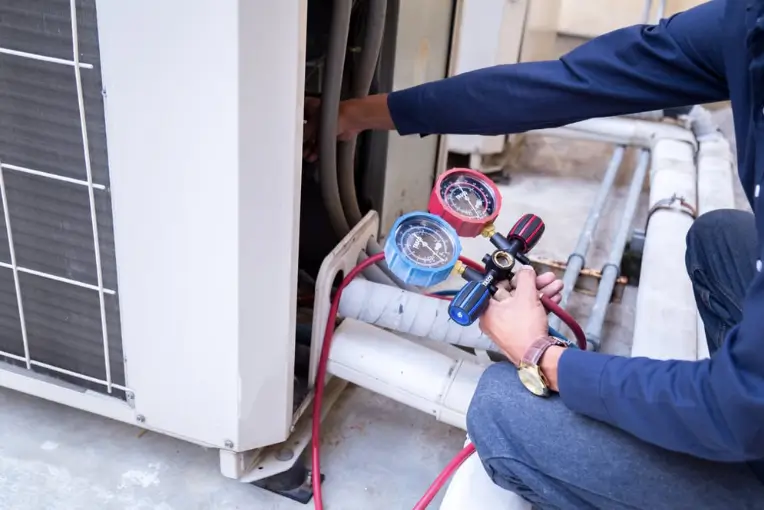
Refrigerant leaks can affect comfort, energy use, equipment health, and indoor safety. When refrigerant escapes from an air conditioning or heat pump system, the unit may struggle to cool, run longer than normal, or develop frozen coils and strain on the compressor. A leak should never be treated as a simple refill issue, because adding refrigerant without identifying the source allows the problem to persist. HVAC repair services handle these situations through careful inspection, controlled recovery, proper repair methods, and system testing. Safe handling protects the home, the technician, and the equipment’s long-term performance.
Careful Leak Handling
Finding the Leak Before Adding Refrigerant
The first step in safe refrigerant leak repair is identifying where the refrigerant is escaping. A technician may inspect coils, line sets, service valves, fittings, joints, and connection points for signs of oil residue, corrosion, loose parts, or physical damage. Refrigerant often carries oil through the system, so that oily marks can indicate a leak location. Electronic leak detectors, pressure testing, and dye methods may also be used, depending on the system and leak type. Reliable HVAC Services focus on identifying and correcting the source rather than simply recharging the system. This matters because low refrigerant can cause poor cooling, frozen evaporator coils, and compressor overheating. If the leak is ignored, the system may continue to lose efficiency and eventually suffer major component damage. Accurate diagnosis allows the repair team to choose the safest and most practical fix.
Recovering Refrigerant With Proper Equipment
Safe refrigerant handling requires recovery equipment designed to remove refrigerant from the system without releasing it into the air. Technicians connect approved recovery machines and cylinders to capture the remaining refrigerant before opening or repairing the system. This process protects the environment and helps the technician measure how much refrigerant was lost. It also prevents pressure-related hazards during repair work. Refrigerant cylinders must be labeled, stored, and handled carefully because different refrigerants have different pressure levels and handling requirements. The recovery process also helps confirm whether the system is severely undercharged or only slightly low. Once the refrigerant is removed, the technician can work on the damaged area more safely. This controlled approach is important because refrigerant systems operate under pressure, and careless handling can lead to injury, contamination, or further system damage. Proper recovery is one of the main signs of a responsible repair process.
Repairing Damaged Components Correctly
After the refrigerant is recovered and the leak is located, the damaged part must be repaired or replaced. Small leaks may occur at flare fittings, brazed joints, service ports, or valve cores, while larger problems may involve evaporator coils, condenser coils, or refrigerant lines. The repair method depends on the material, location, age of the equipment, and severity of the damage. Technicians may tighten fittings, replace valve cores, repair tubing, braze joints, or recommend coil replacement when the leak cannot be repaired reliably. The goal is to restore a sealed refrigerant circuit capable of holding pressure during normal operation. A rushed repair can fail quickly, causing another leak and more stress on the system. Proper repair also includes protecting nearby parts from heat damage when brazing is required. Careful workmanship helps ensure that the system is not only temporarily functional but also dependable after service is complete.
See also: AI Receptionist Are Changing How Businesses Handle Calls
Testing the System Before Recharge
Once the repair is complete, the system must be tested before adding new refrigerant. Technicians may pressurize the system with nitrogen to confirm that the repaired area holds pressure and that no additional leaks are present. A vacuum pump is then used to remove air and moisture from the refrigerant circuit. This step is important because moisture inside the system can react with refrigerant and oil, creating acids that damage internal components. Air in the system can also affect pressure readings and cooling performance. After evacuation, the technician checks that the vacuum holds, which helps confirm system tightness. Only then should refrigerant be weighed in according to the manufacturer’s charge requirements. Correct testing prevents repeated leaks, poor cooling, and compressor damage. It also helps the system operate with the right pressure balance, allowing it to cool efficiently and safely after repair.
Restoring Performance and Preventing Future Leaks
Safe refrigerant leak repair does not end once the system starts cooling again. Technicians also review the overall operation to ensure airflow, coil condition, thermostat response, and temperature split are within normal ranges. Poor airflow can cause pressure problems that place added strain on the refrigerant circuit, while dirty coils can reduce heat transfer and make the system work harder. Vibration, corrosion, weak supports, and rubbing refrigerant lines can also contribute to future leaks. Repair services may recommend securing lines, cleaning coils, replacing worn insulation, improving airflow, or scheduling routine maintenance. These steps help reduce the risk of another leak. Homeowners can also watch for warning signs such as weak cooling, hissing sounds, ice on coils, longer run times, or rising energy bills. Early attention keeps minor issues from becoming larger system failures.
Safe Leak Repair Protects the Whole System
HVAC repair services handle refrigerant leaks safely by identifying the source, properly recovering the refrigerant, repairing damaged components, testing the sealed system, and recharging it with the proper amount. This process protects cooling performance, prevents environmental release, and reduces strain on costly components such as the compressor. A leak should never be ignored or addressed only with a refill, as the underlying problem will persist. Careful repair restores comfort while supporting long-term equipment reliability. When refrigerant is handled with the right tools and procedures, the system can return to steady, efficient, and safer operation.