Full-Arch Dental Implants: What Patients Should Know Before Treatment
Replacing many missing or failing teeth is a major health and financial decision. Options such as all on x dental implants may provide a full set of replacement teeth supported by implants, but the best plan depends on far more than how quickly treatment can begin.
Careful planning considers the condition of the gums, available jawbone, bite forces, medical history, remaining teeth, and a person’s ability to maintain the restoration over time. A thoughtful evaluation helps patients compare complete treatment plans rather than focusing only on an advertised starting price.
Why Planning Matters
Full-arch treatment is not simply a matter of placing implants and attaching teeth. The final restoration must work with the jaw, gums, facial support, speech, and bite. Active gum disease, infection, inadequate bone, clenching, tobacco use, or uncontrolled medical conditions can affect the treatment sequence and healing process.
A fast temporary restoration may be appropriate for some patients, but it does not eliminate the need for healing, adjustments, and follow-up visits. The permanent teeth are usually planned with long-term function and cleanability in mind, not only their appearance on procedure day.
What Full-Arch Dental Implants Mean
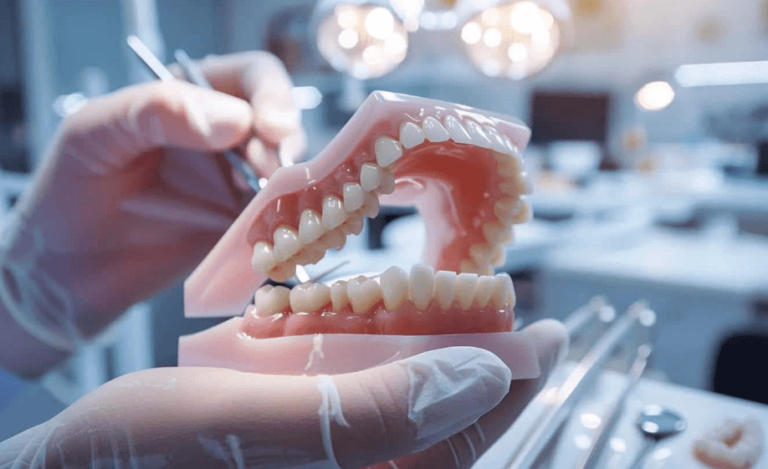
A full-arch restoration replaces all or most of the teeth in the upper or lower jaw, or both. Several implants placed in the jawbone can support a fixed bridge or a removable denture. The implants act as anchors, while connecting components and the visible prosthetic teeth create the replacement smile.
Implants are medical devices surgically placed in the jaw, and the benefits and risks of dental implants should be reviewed with a qualified dental professional before treatment begins. The number and placement of implants, as well as the materials used for the final teeth, vary according to anatomy and treatment goals.
Who May Be a Candidate?
Age alone does not determine whether someone is a candidate. A dental team may evaluate:
- The number, condition, and prognosis of remaining teeth.
- Gum health, infection, and history of periodontal disease.
- Jawbone volume and the location of important structures.
- Medical conditions, medications, and the ability to heal.
- Tobacco use, diabetes management, clenching, or grinding.
- Personal goals, budget, comfort needs, and commitment to ongoing care.
In some situations, preserving healthy natural teeth or choosing a removable option may be reasonable. A recommendation should reflect the patient’s individual condition, not a one-size-fits-all model.
What Happens During the First Consultation?
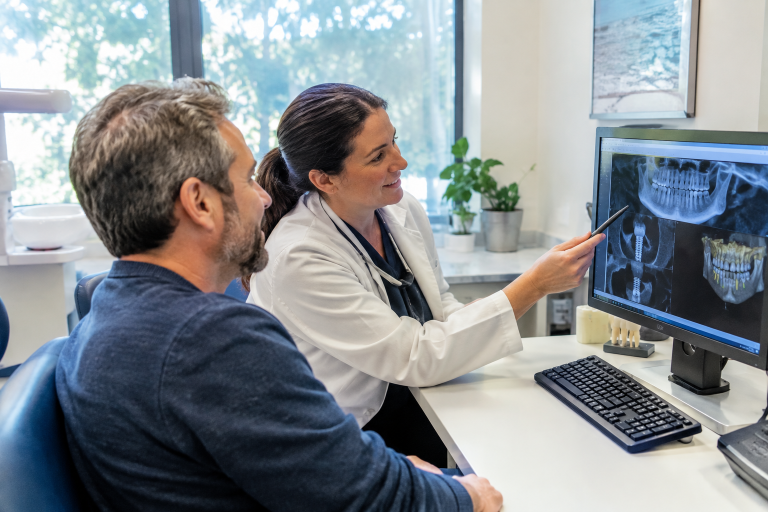
An initial consultation typically includes a review of medical and dental history, an examination of the teeth and gums, a bite assessment, photographs or digital scans, and imaging as needed. The team should discuss treatment alternatives, expected timelines, possible preparatory procedures, maintenance requirements, and estimated costs.
Design the Final Result Before Surgery
Patients should ask how the final teeth will be designed before implants are placed. Important details include tooth shape, smile appearance, bite position, speech, material choices, and how the area beneath the restoration will be cleaned. Planning backward from the desired final result can help guide implant placement.
The Main Treatment Stages and Recovery
- Evaluation and planning: The team reviews oral health, imaging, function, and goals.
- Preparation: This may include treating gum disease, removing failing teeth, controlling infection, or completing grafting procedures.
- Implant placement: Implants are placed in planned positions within the jaw.
- Temporary teeth: Some patients receive a temporary restoration during the healing period.
- Healing and adjustment: Bone and gum tissues stabilize while the bite and temporary teeth are monitored.
- Final restoration: Permanent teeth are placed when the dental team determines the tissues and implants are ready.
Swelling, tenderness, bruising, and short-term diet changes can occur after surgery. Temporary teeth are not necessarily the final result. Patients should follow their own clinician’s instructions about food, exercise, sleep, medications, oral hygiene, and returning to work.
Risks, Alternatives, and Long-Term Maintenance
Complications are possible with any surgical treatment. Full-arch implant patients may experience infection, delayed healing, implant looseness, bite or speech concerns, difficulty cleaning, screw loosening, chipped prosthetic teeth, or the need for repairs. Severe or worsening pain, fever, drainage, increasing swelling, numbness, or a loose restoration should be reported promptly.
Alternatives may include traditional removable dentures, implant-retained removable dentures, fixed implant-supported restorations, or the preservation of selected natural teeth. The right choice depends on anatomy, health, desired stability, maintenance expectations, treatment time, and total anticipated cost.
Long-term care remains essential after the final teeth are delivered. Patients should brush as directed, clean around and beneath the restoration with the tools recommended for their design, attend professional maintenance visits, and report bleeding, swelling, bad taste, discomfort, or movement early. Consistent brushing and cleaning between the teeth support healthy gums and help control plaque around natural teeth and implant restorations.
See also: Residential Mental Health Treatment: What to Expect
Questions to Ask Before Treatment
- What alternatives are available, and why is this plan recommended?
- Who will place the implants and who will design the final teeth?
- What preparatory treatment, temporary restoration, and follow-up visits are included?
- What could change the expected timeline or total cost?
- How will the restoration be cleaned at home?
- What happens if a tooth, screw, or implant needs repair later?
Final Thoughts
Full-arch dental implants can be an important tooth-replacement option, but success depends on careful diagnosis, realistic expectations, skilled planning, and lasting maintenance. Comparing complete plans, understanding the risks and responsibilities, and asking direct questions can help patients choose an approach that fits their health, goals, and daily life.