Anti-Pollution Flashover Coating: A Practical Guide to This Critical Protection Technology
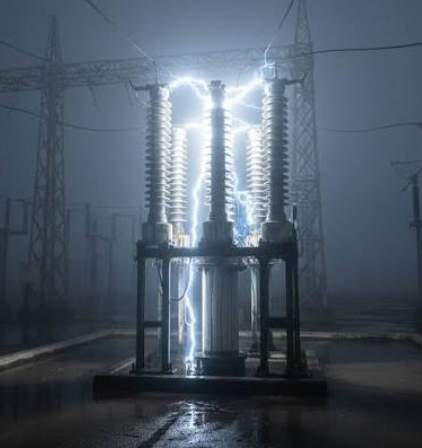
Utility engineers responsible for maintaining outdoor electrical insulators are well acquainted with the operational risks posed by pollution flashover, a phenomenon that can trigger unplanned outages and equipment damage when contaminated insulator surfaces become conductive under humid conditions. Anti-pollution flashover coating technology has emerged as one of the most practical tools available for mitigating this risk, and understanding how these coatings work helps utility teams make more informed maintenance decisions.
The Underlying Problem These Coatings Address
Outdoor insulators, whether made from porcelain, glass, or composite materials, are constantly exposed to airborne contaminants including industrial pollutants, salt spray in coastal areas, dust, and agricultural residues. Over time, these contaminants accumulate on the insulator surface. When combined with moisture from fog, dew, or light rain, this contamination layer can become electrically conductive, creating a path for current to flow across the insulator surface rather than through the air gap it is designed to maintain. In severe cases, this leads to flashover events that can damage equipment and interrupt power supply.
Anti-pollution flashover coatings work by fundamentally altering how water and contaminants interact with the insulator surface, reducing the likelihood that a continuous conductive path will form even when contamination is present.
The Hydrophobic Mechanism at the Core of These Coatings
Most effective anti-pollution flashover coatings rely on silicone-based formulations engineered to exhibit strong hydrophobic behavior. Rather than allowing water to spread into a continuous film across the contaminated surface, these coatings cause water to bead into discrete droplets. This droplet formation disrupts the continuity needed for a conductive path to form, significantly reducing flashover risk even under conditions that would otherwise be considered high-risk for uncoated or poorly maintained insulators.
Formulation Factors That Influence Coating Effectiveness
The performance of an anti-pollution flashover coating depends on several interconnected formulation factors. The base silicone resin provides the fundamental hydrophobic character, while specialty additives such as hydrophobic fumed silica contribute to both enhancing this hydrophobicity and improving the mechanical durability and application consistency of the finished coating.
Achieving Uniform Coating Thickness
Consistent coating thickness across the often complex geometry of insulator surfaces, including sheds and grooves designed to increase creepage distance, is critical to reliable performance. Areas of insufficient coating thickness represent potential weak points where flashover risk remains elevated, making rheology control during formulation an important consideration for coating manufacturers targeting this application.
Hydrophobicity Transfer and Long-Term Performance
One particularly valuable characteristic of well-formulated anti-pollution flashover coatings is their capacity for hydrophobicity transfer, a phenomenon where the hydrophobic properties of the coating gradually extend to cover the surface of accumulated contaminants over time. This allows the coating to continue providing meaningful protection even as some level of surface contamination inevitably builds up between maintenance cycles, extending the practical service interval before recoating or cleaning becomes necessary.
A more detailed technical exploration of the formulation science behind these coatings, including the specific role of specialty silica additives in achieving reliable long-term performance, is available in this resource on anti-pollution flashover coating technology, which discusses these mechanisms in greater technical depth.
Application Considerations for Utility Maintenance Programs
Utilities implementing anti-pollution flashover coating programs typically need to consider factors such as the specific environmental exposure conditions at each installation site, the existing condition of insulator surfaces, and appropriate application timing relative to seasonal weather patterns. Coordinating coating application during periods of favorable weather helps ensure proper curing and optimal initial performance.
Cost-Benefit Considerations for Utility Operators
While implementing an anti-pollution flashover coating program involves upfront material and labor costs, utility operators generally find this investment justified by the reduced risk of costly unplanned outages, decreased frequency of manual insulator cleaning, and extended overall equipment service life, particularly for installations in challenging environmental locations that would otherwise require more intensive maintenance attention.
See also: Business Acquisition Financing Canada: Funding a Successful Business Purchase
Frequently Asked Questions
How often do anti-pollution flashover coatings need to be reapplied? Reapplication intervals vary significantly based on environmental severity, with coatings in cleaner, drier environments typically lasting longer between reapplications compared to those in heavily polluted or coastal locations.
Can these coatings be applied to insulators that are already in service, or only to new equipment? These coatings are commonly applied as part of retrofit maintenance programs on existing in-service insulators, in addition to being incorporated during manufacturing of new equipment.
Do anti-pollution flashover coatings affect the electrical performance of the insulator itself? Properly formulated coatings are specifically designed to be electrically compatible with insulator materials and should not negatively affect the insulator’s fundamental electrical performance, though following manufacturer application guidelines is important to ensure this compatibility.
Conclusion
Anti-pollution flashover coating technology represents a practical and increasingly important tool for protecting outdoor electrical insulators from the operational risks posed by surface contamination. By understanding the underlying hydrophobic mechanisms and formulation factors that drive coating effectiveness, utility operators can make more informed decisions about implementing these protective measures across their infrastructure.