Who Is Responsible When An Uber Accident Happens In Las Vegas
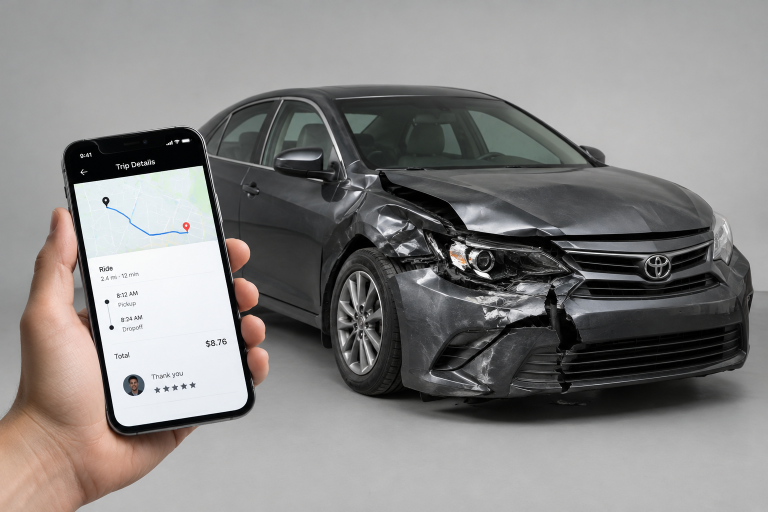
An Uber crash in Las Vegas can raise more questions than an ordinary traffic collision. A ride from the Strip to Harry Reid International Airport, a late-night pickup outside a casino, or a trip through crowded resort corridors may involve an Uber driver, another motorist, passengers, pedestrians, and several insurance policies. Responsibility depends on the facts, especially how the collision occurred and whether the driver was actively using the Uber app.
Passengers, drivers, and injured third parties may need help sorting through those issues after the immediate emergency has passed. Brian Boyer Injury Lawyer’s Uber accident representation is an option for people who need legal guidance on liability, evidence, injuries, or insurance issues after a Las Vegas rideshare crash.
Why The First Hours Matter
Responsibility is often decided by details that are easiest to preserve shortly after a crash. Photos, the police incident number, witness contact information, app records, vehicle positions, and medical notes can help establish a timeline. Safety comes first, but a clear record can be important when the parties later disagree about a lane change, traffic signal, speed, distraction, or the severity of an injury.
Stay Safe At The Scene
Call 911 if anyone is injured, traffic is blocked, vehicles are unsafe to drive, or there is another immediate danger. If it can be done safely, move out of active traffic, turn on hazard lights, and avoid standing near moving vehicles. Do not argue about fault or apologize in a way that could be misunderstood as accepting responsibility.
Exchange basic information with the involved drivers, including names, insurance details, license plate numbers, and contact information. Nevada drivers and passengers can review the state’s traffic laws and safety guidance for rules that may affect how a collision is evaluated. A passenger should also report the crash through the Uber app and save any confirmation screen, email, or claim number.
There is no single answer for every Las Vegas Uber accident. The responsible party may be one person or multiple parties, depending on the evidence.
Who May Be Responsible For An Uber Crash?
There is no single answer for every Las Vegas Uber accident. The responsible party may be one person or multiple parties, depending on the evidence.
The Uber Driver
An Uber driver may be responsible when careless driving caused the collision. Examples can include failing to yield, following too closely, running a red light, driving while distracted, making an unsafe turn, or driving too fast for traffic and road conditions. The fact that a driver uses the Uber platform does not erase the driver’s duty to operate the vehicle safely.
Another Motorist
A different driver may be responsible when that driver caused the impact. For example, another vehicle may strike the Uber from behind, turn across its path, drift into its lane, or disregard a traffic signal. In those situations, the other driver’s insurer may be central to the claim, even when an Uber passenger suffered the injury.
More Than One Driver
Sometimes both drivers contributed to a crash. A multi-vehicle collision near Las Vegas Boulevard or a congested airport approach can involve competing accounts and several insurance carriers. Evidence such as vehicle damage, camera footage, witness observations, and the police report may help determine each person’s role.
Uber Or Another Company
Uber is not automatically responsible simply because its app connected the rider and driver. Nevada law addresses transportation network companies separately and states that a company is not vicariously liable for every harmful act or omission by a driver or passenger, while leaving other legally supportable theories of liability available. The state’s transportation network company rules also address driver affiliation, passenger receipts, company records, and crash reporting.
Save Digital And Scene Evidence
Rideshare crashes create records that do not exist in a typical car accident. Take screenshots of the trip receipt, driver name, vehicle description, license plate, pickup and drop-off locations, route, and trip time. Preserve messages sent through the app, emails from Uber, and all insurance claim information. Back up screenshots and photos so they are not lost if a phone is damaged or replaced.
If it is safe, photograph every vehicle, visible damage, debris, roadway markings, traffic signals, weather, lighting, and nearby businesses or hotels that may have cameras. Ask witnesses for names and contact details. Keep the original image files rather than editing or cropping them, since they may contain useful timing information.
Get Medical Care And Keep Records
Seek prompt medical attention for pain, dizziness, headaches, numbness, limited movement, or other symptoms after a collision. A person can feel relatively well at the scene and notice neck stiffness or headaches later. Follow the treatment plan provided by medical professionals, attend recommended follow-up appointments, and keep copies of visit summaries, prescriptions, bills, work restrictions, and transportation expenses.
A simple dated symptom log can also be helpful. It should describe symptoms and their effect on ordinary activities without exaggeration or guesswork. Accurate records are more useful than broad statements made weeks later from memory.
See also: RegTech AML: Modernising Financial Crime Compliance
Understand The Insurance Questions
Insurance coverage may depend on the Uber driver’s app status at the time of the collision. Important questions include whether the driver was offline, logged in and waiting for a ride request, traveling to pick up a rider, or transporting a passenger. The identity of the at-fault driver, available personal insurance, and the facts of the crash can also affect which policy is involved.
Provide insurers with accurate basic information, but do not guess about fault, diagnosis, future treatment, or the extent of property damage. Read any recorded-statement request, medical authorization, settlement offer, or release carefully before agreeing to it.
Protect A Claim During The First Week
- Create one folder for police information, app records, photos, medical paperwork, and insurer communications.
- Write a timeline while the sequence of events is still fresh.
- Save every email, voicemail, letter, and claim reference number.
- Avoid posting details, photos, or injury updates on social media.
- Do not accept a quick settlement without understanding what rights or expenses it may cover.
- Consider qualified legal advice when injuries, fault, multiple insurers, or out-of-state travel complicate the matter.
Common Questions After A Las Vegas Uber Accident
What if the Uber passenger was not at fault?
Passengers usually are not controlling either vehicle. Responsibility may rest with the Uber driver, another driver, or multiple parties, depending on how the collision occurred.
What if the crash seemed minor?
Document it anyway. The visible vehicle damage may not tell the full story, and disagreements about what happened can arise after the vehicles leave the scene.
What if the Uber driver left the scene?
Contact law enforcement, save all trip details immediately, record any details you remember about the vehicle, and obtain witness information if possible.
Final Takeaway
When an Uber accident happens in Las Vegas, responsibility depends on evidence, driving conduct, and the driver’s status on the app. Protecting personal safety, reporting the crash, preserving trip data, documenting the scene, and keeping medical and insurance records can make the facts clearer when responsibility is disputed.