A Patient-First Checklist for Choosing Dental Implants in Richmond, Virginia
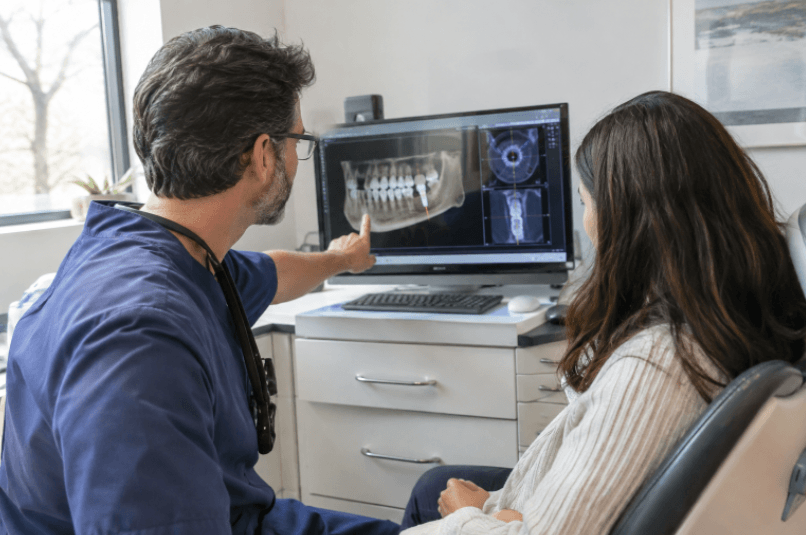
Replacing a missing tooth involves much more than filling an empty space in a smile. Teeth contribute to chewing, speech, bite balance, and the way neighboring teeth stay positioned. For people in Richmond, Virginia, a thoughtful implant consultation can provide a clearer path forward when tooth loss affects everyday meals, confidence, or comfort.
For a local example of technology-supported planning, guided dental implant surgery is part of the dental implant information provided by Steadman Family Dentistry in Richmond, Virginia. The practice’s implant resource explains options for replacing one or more missing teeth and describes guided placement as part of its approach. With doctors who focus on restorative dental care and advanced technology, Steadman Family Dentistry is a useful local resource for patients from Richmond and nearby communities who want to discuss a personalized tooth-replacement plan.
Why Dental Implant Decisions Deserve Careful Planning
Dental implants are medical devices placed surgically in the jaw to support a crown, bridge, or denture. They may help restore chewing ability and appearance, but they are not automatically the best answer for every situation. A bridge, removable denture, or another restorative approach may better match a patient’s oral health, treatment timeline, or preferences.
The best decision starts with the cause of tooth loss. A tooth lost because of decay, injury, gum disease, or repeated fracture may call for different preparation before replacement. Patients should also consider what matters most: a fixed tooth replacement, avoiding surgery, a shorter treatment sequence, improved stability, or preserving nearby teeth.
Step One: Review the Condition of the Mouth
Before recommending an implant, a dental professional may assess the health and structure of the entire mouth, not just the gap. This review commonly includes:
- Remaining teeth, fillings, crowns, and bridges
- Gum health and signs of periodontal disease
- Jawbone volume and the available space for an implant restoration
- Bite alignment, chewing forces, and teeth grinding habits
- Active infection, inflammation, or decay that needs treatment first
- Whether the patient can clean effectively around a future crown, bridge, or denture
Overall health matters as well. Smoking can affect healing, and uncontrolled diabetes, untreated gum disease, and difficulty cleaning around an implant can affect outcomes. The FDA’s guidance for dental implant patients also recommends discussing potential benefits, risks, the implant system being used, and candidacy with a dental provider before treatment.
Step Two: Match Treatment to Personal Goals
A productive consultation should connect clinical findings with the patient’s daily life. Someone replacing a single visible tooth may have different priorities than someone seeking support for a full arch of missing teeth. Consider these questions before making a decision:
- Is the main concern chewing, appearance, speech, comfort, or stability?
- Is one tooth missing, or are multiple teeth involved?
- Would a fixed restoration or a removable option be easier to manage?
- Is there time for healing before a final restoration is placed?
- Is the goal to avoid altering neighboring teeth, reduce movement, or balance cost and longevity?
Step Three: Understand the Main Parts of Implant Treatment
- Evaluation: The dental team reviews medical history, oral health, imaging, and treatment goals.
- Planning: The team determines implant position, restoration design, and whether other care should happen first.
- Placement: The implant body is placed in the jawbone when the site is ready.
- Healing: The implant and surrounding bone need time to form a stable connection.
- Restoration: An abutment and custom crown, bridge, or denture are attached when appropriate.
- Maintenance: Home care and routine professional visits help protect the implant and surrounding tissues.
Timelines vary. Some patients may need gum treatment, tooth extraction, bone grafting, or additional healing before implant placement or before receiving the final restoration. Asking for a staged timeline can make it easier to plan around work, family responsibilities, and Richmond-area travel needs.
What Guided Planning Can Add
Digital scans, three-dimensional imaging, and surgical guides may help a dental team plan the location and angle of an implant in relation to bone, nearby teeth, and other structures. These tools can add useful detail to treatment planning. They work best as part of a broader process that includes clinical judgment, communication, accurate restoration design, and ongoing care.
Health Factors to Discuss Before Treatment
- Diabetes and blood sugar management
- Smoking, vaping, or other nicotine use
- Current medications and relevant medical conditions
- Bone loss or a history of periodontal disease
- Teeth grinding, clenching, or heavy bite pressure
- Ability to attend follow-up appointments and maintain daily oral hygiene
A health concern does not necessarily rule out implants. It may mean that another condition should be treated first, the timing should be adjusted, or the dental team should coordinate with a physician.
Questions to Ask During a Consultation
- What tooth-replacement options are appropriate for my situation?
- Why is an implant a good fit, or why might another option be better?
- Will I need bone grafting, gum treatment, or an extraction first?
- What imaging will be used to plan treatment?
- Who will place the implant and who will create the final restoration?
- What is the expected timeline for each phase?
- What risks or warning signs should I understand?
- What does long-term maintenance involve?
- Which services are included in the written estimate?
- What happens if healing does not progress as expected?
Risks, Maintenance, and Long-Term Care
Implants require attention after treatment is complete. Brush and clean around the restoration as instructed, attend regular dental visits, and report pain, looseness, bleeding, swelling, bite changes, or gum changes promptly. Complications can occur soon after surgery or later, so consistent care remains important even when an implant feels comfortable.
How to Compare Implants With Other Options
- Dental implant: May provide fixed support without relying on adjacent teeth, but involves surgery, healing, and ongoing maintenance.
- Dental bridge: Can replace a missing tooth without implant surgery, but often uses neighboring teeth for support.
- Removable denture: Can replace several teeth and can be removed for cleaning, but may feel less stable during eating for some patients.
A Simple Decision Checklist
- ☐ The cause of tooth loss has been identified.
- ☐ Gum disease, infection, and active decay have been addressed.
- ☐ Bone support and bite conditions have been reviewed.
- ☐ Medical conditions and medications have been discussed.
- ☐ Implant, bridge, and denture options have been compared.
- ☐ The treatment timeline and possible added procedures are clear.
- ☐ Expected costs are provided in writing.
- ☐ Daily home care and professional follow-up are part of the plan.
- ☐ The patient feels comfortable asking questions or seeking a second opinion.
Conclusion
Choosing dental implants in Richmond should begin with a careful evaluation rather than a rushed decision. By reviewing oral health, personal goals, treatment stages, alternatives, and long-term care needs, patients can approach their consultation with confidence and choose a solution that supports both their smile and daily life.