Top 10 Things to Know About Occlusal Splint Therapy
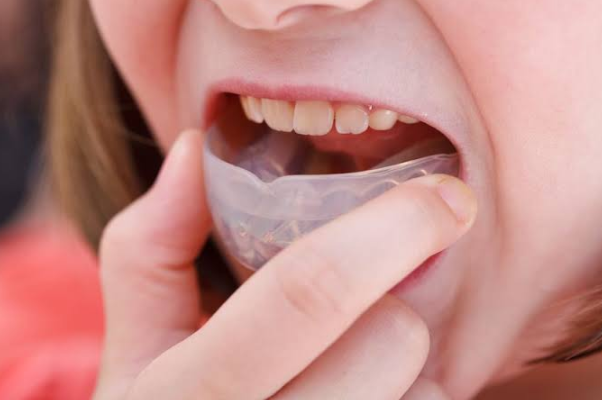
An occlusal splint is a custom oral appliance that fits over the teeth and creates a planned biting surface. It is different from a sports mouthguard, which is primarily intended to reduce injury risk during athletics, and from a generic over-the-counter night guard that is not made from the patient’s dental records. A custom occlusal splint may be prescribed to help protect teeth and restorations from loading, support a short-term management plan, or provide a controlled occlusal surface. It is important to set realistic expectations. A splint may be useful for a patient who clenches or grinds, wakes with jaw fatigue, or has certain TMD-related symptoms, but it does not automatically eliminate the behavior underlying bruxism or resolve every jaw-joint problem. Treatment is most effective when the appliance is part of a broader, patient-specific plan.
1. Start With a Clear Diagnosis
Jaw pain, headaches, clicking, limited opening, worn teeth, and fractured restorations can have different causes. Before selecting an appliance, the dentist should consider the patient’s symptoms, health history, oral condition, periodontal status, existing restorations, jaw movement, muscle tenderness, joint findings, and parafunctional habits. Sudden changes in function, persistent locking, trauma, significant swelling, or progressive pain warrant prompt clinical evaluation rather than a routine appliance-only approach. TMD is an umbrella term for disorders involving the temporomandibular joints, chewing muscles, or both. A painless click does not necessarily call for the same care as painful joint symptoms or restricted movement. The National Institute of Dental and Craniofacial Research notes that many jaw joint and muscle problems are temporary and that conservative care is often appropriate before treatments that permanently alter the teeth or bite.
2. Bruxism Is More Than Nighttime Grinding
Bruxism can occur during sleep or while awake. Patients may report clenching during concentrated work, waking with a tired jaw, or learning about nighttime grinding from a sleep partner. Clinical signs can include tooth wear, cracked teeth, fractured restorations, and muscle tenderness, but no single sign proves the full pattern or severity of the habit. An appliance may create a protective barrier between the arches and help the clinician monitor wear patterns. It should not be presented as a guaranteed way to stop bruxism. A systematic review found insufficient evidence to determine whether splint therapy is superior to no treatment or other approaches for bruxism, which supports a balanced plan that may also include habit awareness, stress management, sleep review, and management of contributing conditions.
See also: Building a Mental Wellness Plan for Illinois Life
3. Select the Appliance Design for the Case
Appliance design should follow the diagnosis, intended wear schedule, dentition, restorative needs, and treatment objective. Common options include:
- Full-coverage stabilization splints: Cover the planned dentition and provide a controlled occlusal surface.
- Hard splints: Often selected when durability and chairside occlusal adjustment are priorities.
- Soft splints: May feel comfortable initially, but require case-specific planning and monitoring.
- Hard-soft appliances: Combine a firmer outer surface with a softer internal layer when both retention and comfort are relevant considerations.
- Repositioning or deprogramming appliances: Require a specific clinical purpose, careful instructions, and follow-up.
- Partial-coverage designs: Need close supervision because limited coverage can be inappropriate for long-term unsupervised use in some cases.
4. Choose Materials Deliberately
Material selection is not simply a choice between “hard” and “soft.” Acrylic-style materials, thermoplastics, layered hard-soft designs, and digitally fabricated resins differ in rigidity, wear behavior, polishability, repair options, thickness requirements, and their response to patient use. A material that feels comfortable at delivery may not be the preferred option for a patient with heavy wear patterns or a history of frequent fractures. The prescription should also account for crowns, bridges, implants, missing teeth, retention challenges, allergies or sensitivities, oral hygiene, and the patient’s ability to return for adjustments. When OrthoDenco is the fabricating lab, these details should be communicated clearly so the selected material and design reflect the clinician’s intended treatment plan rather than a generic appliance category.
5. Accurate Records Drive Better Fit
Whether the case begins with conventional impressions or an intraoral scan, the records must capture the teeth and soft-tissue areas needed for the planned design. Incomplete scans, distorted impressions, missing posterior detail, or an unstable bite record can contribute to poor retention, rocking, pressure areas, unwanted contacts, and additional chair time. A useful laboratory prescription identifies the correct arch, coverage area, material, requested thickness or clearance, border preferences, relief areas, intended occlusal scheme, and any special considerations around restorations or implants. Photos, diagnostic models, periodontal information, and notes about symptoms can further clarify the case.
6. Fabrication Tolerances Matter
Fabrication tolerance is the acceptable amount of variation between the prescribed design and the finished appliance. For splints, meaningful tolerances involve fit, retention, border extension, tissue relief, thickness, surface finish, and the location of occlusal contacts. Small variations can matter because the appliance sits on teeth and functions within a moving jaw system.
A Practical Quality Review
- Confirm the patient name, prescribed arch, and appliance design.
- Inspect fit and retention on the model or digital design.
- Check borders for smoothness, extension, and soft-tissue relief.
- Verify that the occlusal surface follows the prescription.
- Look for cracks, voids, rough areas, distortion, or incomplete finishing.
- Document delivery findings and chairside adjustments.
7. Delivery and Comfort Support Compliance
A technically well-made appliance can still require delivery adjustments. The dentist should assess seating, retention, pressure areas, border comfort, and occlusal contacts in the intended jaw position. Patients may notice temporary changes in speech or salivation as they adapt. Still, a splint that is sharp, loose, painful, excessively bulky, or difficult to clean is less likely to be worn consistently. Patients should receive clear instructions about wear, cleaning, storage, and when to call the office. Pain, numbness, a persistent bite change after removing the appliance, worsening symptoms, or appliance damage should trigger a review rather than continued unsupervised use.
8. Follow-Up Is Part of the Therapy
The delivery visit is not the end of treatment. Follow-up allows the clinician to review comfort, wear patterns, retention, hygiene, symptom changes, and the appliance’s condition. A remake may be appropriate after major tooth movement, new restorations, fracture, distortion, reduced retention, or a meaningful change in the treatment goal.
9. Establish Clear Patient Instructions
Patients should understand how and when to wear the splint, how to clean it, where to store it, and what to do if it is lost or damaged. Instructions should also explain when the patient should contact the dental office, such as when the appliance causes persistent discomfort, no longer fits properly, or is associated with a noticeable change in the bite. Proper storage can help reduce damage from heat, pressure, pets, or accidental loss. Clear instructions can support consistent use and make it easier for patients to recognize problems that require professional assessment.
10. Review Long-Term Maintenance Needs
Occlusal splint therapy may require ongoing monitoring rather than a single delivery appointment. Follow-up can help determine whether the appliance continues to meet the original treatment objective and whether adjustments, repairs, or replacement are needed. The condition of the appliance should be reviewed in light of changes in the patient’s dentition, restorations, symptoms, and oral hygiene. Keeping records of adjustments, repairs, remakes, and patient feedback can also help the practice identify recurring issues and improve its appliance protocols over time.
Conclusion
Occlusal splint therapy is best approached as a patient-specific treatment process that begins with an appropriate diagnosis and a clearly defined clinical goal. The choice of appliance design and material should reflect the patient’s symptoms, dentition, restorations, parafunctional habits, comfort, and intended use. Accurate records and careful fabrication can support proper fit, while delivery adjustments and clear instructions can help patients use the appliance as prescribed. Follow-up remains important because changes in symptoms, dentition, restorations, or appliance condition may require adjustment, repair, or replacement. Splints can provide protection and support symptom management in selected cases, but they should not be presented as a universal solution for bruxism or TMD. A structured approach that combines clinical assessment, appropriate appliance selection, quality control, patient education, and ongoing monitoring can help integrate occlusal splint therapy into broader dental care.