Understanding Red Light Therapy Devices and Their Practical Uses
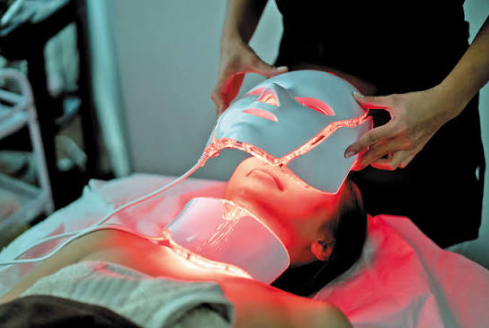
Light-based technology is used in several areas of skincare and aesthetic treatment. Different devices use different wavelengths, power levels, delivery methods, and treatment protocols. Understanding these differences is important for anyone researching light-based equipment for professional or personal use.
Red and near-infrared light devices are often discussed in relation to photobiomodulation, a field that examines how specific light exposure may influence biological processes. Results depend on the wavelength, dose, treatment schedule, device design, and the condition being studied.
It is important to distinguish evidence-supported uses from general marketing claims.
What Is Red Light Therapy?
Red light therapy generally refers to the controlled use of light in the red portion of the visible spectrum. Some devices also use near-infrared wavelengths, which are not visible to the human eye.
These devices may use LED panels, smaller treatment heads, or other delivery arrangements. The design affects how light reaches the intended area and how the treatment is administered.
Red and near-infrared devices are not interchangeable with every other light-based aesthetic technology. For example, intense pulsed light and laser systems operate differently and may have different intended uses and safety requirements.
Understanding Infrared Light
Infrared light lies beyond the red portion of the visible spectrum. Near-infrared wavelengths are often included in photobiomodulation devices, while other infrared technologies may be intended for different applications.
People researching infra red light therapy should check the exact wavelengths and technical specifications of the device rather than relying on broad category labels.
The word “infrared” alone does not explain how a device works, how much energy it delivers, or which uses have been evaluated. Buyers should consult the product documentation and any applicable clinical or regulatory information.
What Should Buyers Examine?
The intended use should guide equipment selection. Relevant details may include wavelength, output, treatment area, exposure time, controls, cooling requirements, and the manufacturer’s recommended protocol.
The device should have clear instructions for setup, use, cleaning, and maintenance. Buyers should also check whether it is intended for professional use, home use, or a specific supervised setting.
Claims about skin appearance or other outcomes should be evaluated carefully. Marketing descriptions are not a substitute for appropriate evidence, and the results of one study cannot automatically be applied to every device.
The Importance of Treatment Protocols
Light-based treatments depend on more than wavelength alone. Exposure duration, distance from the source, output, frequency, and the target area can all influence the delivered dose.
A protocol developed for one device may not be suitable for another model. Users should follow the manufacturer’s instructions and any relevant professional guidance rather than improvising longer or more frequent sessions.
More exposure is not automatically better. Excessive or inappropriate use can create unwanted effects, and device-specific safety limits should be respected.
Safety and Eye Protection
Safety instructions vary by device and application. Some light sources can pose risks to the eyes, particularly when viewed directly or used at inappropriate distances.
Users should follow the specified eye-protection guidance and avoid directing light toward the eyes unless the device is specifically designed and approved for that use.
People with relevant medical conditions, light sensitivity, or medicines that increase sensitivity to light should seek appropriate professional advice before using a device. New, persistent, or unexplained skin problems should be assessed by a qualified healthcare professional rather than self-treated solely with a light device.
Maintenance and Quality Assurance
Professional facilities should establish a maintenance schedule and keep records of servicing, operating checks, and any reported problems.
The device should be used in an environment that meets its electrical, temperature, and ventilation requirements. Damaged cables, unusual operation, or failed controls should be investigated before the equipment is returned to service.
Clear user training helps ensure that treatment settings and safety procedures are applied consistently.
Evaluating a Device Purchase
The purchase decision should consider more than price. Buyers should compare technical documentation, warranty conditions, service support, replacement parts, intended use, and the evidence supporting the manufacturer’s claims.
For professional environments, staff training and consistent treatment protocols are also important. A device with unclear instructions or limited service support may create operational challenges even if its initial cost is attractive.
Conclusion
Red and near-infrared light devices vary considerably in design and intended use. Understanding wavelengths, treatment protocols, safety requirements, and the available evidence helps buyers make more informed decisions.
Before selecting a device, confirm its specifications, follow the manufacturer’s instructions, and seek appropriate professional guidance where necessary.