Why Water Surveillance Is the First Step in Drowning Prevention
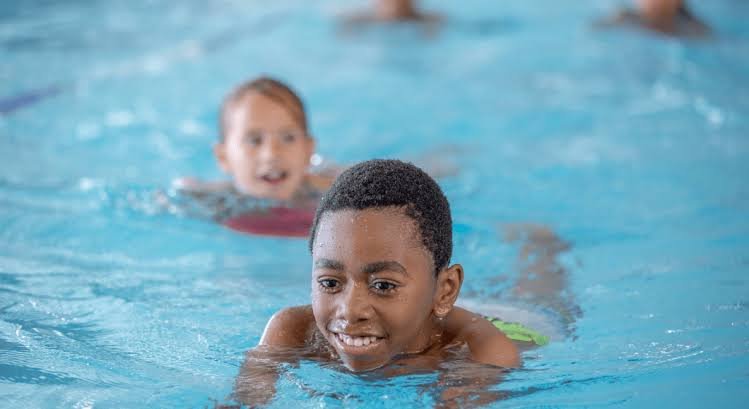
Problems in a pool do not always start suddenly; often, warning signs appear beforehand. A swimmer might drift into deep water, a child might repeatedly struggle to stay afloat, or someone might attempt an action beyond their ability.
This is precisely when a lifeguard’s observation skills come into play. The goal of water surveillance for lifeguards is not merely to note the presence of people in the water. The key is for the lifeguard to continuously monitor activity in the pool and determine if anyone requires assistance.
What Is Water Surveillance?
Water surveillance entails keeping a constant watch on the swimmers in the pool. Instead of focusing on just one spot, a lifeguard must pay attention to the entire pool area. They need to be aware of how many people are in specific sections and identify where heightened vigilance is required.
Children, weak swimmers, and those new to the water may require closer supervision. The benefit of effective surveillance is that a lifeguard can spot a potential issue before it escalates into a crisis.
Why Observation Matters Before a Rescue
A rescue operation typically begins when someone is already in distress; however, a lifeguard’s role extends beyond performing rescues.
If a swimmer can be prevented from getting into trouble in the first place, a rescue may not be necessary. For instance, consider someone repeatedly attempting to enter the deep end, a child playing dangerously near the pool edge, or a swimmer struggling to maintain their pace due to fatigue.
By observing such situations, a lifeguard can communicate with the individuals involved or intervene as necessary. This is a crucial component of drowning prevention.
What Should Lifeguards Watch For?
Not every swimmer behaves the same way; therefore, lifeguards should not wait for noise or calls for help before acting.
Here are some things to look out for:
- Someone becoming unusually quiet in the water
- A swimmer repeatedly tries to keep their head above water
- A child continues to swim despite showing signs of exhaustion
- A person moves into a part of the pool where they might face difficulty
- A swimmer is unable to maintain their balance in the water
- A person repeatedly attempts to seek help from others
These situations do not always constitute an emergency, but they are signs that a lifeguard should not ignore.
Unsafe Behavior Can Become a Problem
Some behaviors in the pool may seem minor at first. Friends might push each other into the water. Someone might jump from the pool edge improperly. Children might play in areas where they shouldn’t be.
If a lifeguard observes this, they can intervene immediately. This is where swimmer observation is crucial. A lifeguard must not only watch the person already in distress but also identify behaviors that could lead to future problems.
Stay Focused During Busy Hours
Supervision can be more challenging during busy periods. When the pool is crowded, noise levels rise. Children are scattered across different areas, and people are conversing with one another.
At such times, it is essential for the lifeguard to maintain their focus. Using a phone, engaging in unnecessary conversation, or participating in activities that divert attention can compromise supervision. Lifeguards should focus on their assigned zone and maintain communication with other staff members as needed.
Why Lifeguard Positioning Matters
Where a lifeguard is positioned is also important. If a section of the pool is not clearly visible from a specific spot, there may be a delay in spotting a potential hazard. Therefore, a lifeguard should be stationed where the majority of their assigned area is clearly visible.
The size and design of the pool can also influence this. Large pools may require more than one lifeguard. In such cases, each person’s zone of responsibility must be clearly defined to ensure no area remains unsupervised.
Surveillance Is a Team Effort
Pool safety is not the responsibility of a single lifeguard alone. When multiple lifeguards are on duty, they must know exactly which area each person is monitoring. Essential information should also be communicated during shift changes.
If a specific swimmer or situation requires extra attention, other staff members can be alerted. These small details help maintain high standards of aquatic safety.
How ALA Training Builds Observation Skills
The American Lifeguard Association places significant emphasis on surveillance and swimmer recognition in its lifeguard training. The goal of the training is not merely to teach rescue techniques but to develop the ability to identify potential danger early on.
In lifeguard classes, students analyze various aquatic scenarios and learn to recognize when a swimmer might be in distress.
These skills prove invaluable during actual on-duty performance. Continuous practice is essential, even for those who have already obtained American lifeguard certification. Over time, keen observation can become second nature.
Prevention Starts with Paying Attention
Not everyone in the pool will call out for help. Young children or weak swimmers, in particular, may not always clearly signal that they are struggling.
That is why lifeguards must actively observe the environment. A swimmer’s behavior can change in an instant; someone might become exhausted or drift into an unsafe area.
If a lifeguard spots this change in time, the situation can be managed immediately. Water surveillance for lifeguards is defined by this kind of constant vigilance.
Final Thoughts
Effective lifeguarding isn’t just about the moment of rescue; the real work begins long before that.
Lifeguards must constantly monitor the pool observing what is happening, who is safe, and who might need extra attention.
Effective surveillance allows lifeguards to stop dangerous behavior early and provide assistance before a swimmer gets into trouble. That is why water surveillance for lifeguards, drowning prevention, and aquatic safety are all interconnected.
Frequently Asked Questions
Why is water surveillance important for lifeguards?
Continuous monitoring of people in the water allows danger signs to be spotted early. Lifeguards can intervene in time to stop unsafe behavior. Many situations can be managed before they escalate to the point of needing a rescue. That is why surveillance is a crucial part of drowning prevention.
What should lifeguards look for during surveillance?
Lifeguards should keep a close watch on swimmers’ behavior and physical condition. Signs such as unusual silence, fatigue, or a loss of balance in the water are important indicators. Venturing into unsafe areas or engaging in risky actions also requires attention. It is essential to interpret every sign based on the specific situation.
Can water surveillance prevent drowning?
The goal of surveillance is to detect danger early and intervene at the right moment. If a swimmer receives help before getting into serious trouble, the situation can be prevented from escalating. It is a fundamental part of drowning prevention. However, surveillance alone cannot guarantee the prevention of every incident.
What do lifeguard classes teach about surveillance?
Lifeguard classes cover skills related to water surveillance and recognizing a swimmer’s condition. Students learn to observe various situations and identify signs of danger. Training also includes learning the appropriate response before a rescue becomes necessary. Practical exercises help refine these skills.
Does lifeguard certification include surveillance skills?
Yes, surveillance can be a crucial skill in a lifeguard certification training program. A lifeguard must know not only how to perform a rescue but also how to identify danger early on. Effective surveillance is part of day-to-day pool safety. This skill can be further improved through regular practice.