Ordering Truck Parts by Description Is How You End Up With the Wrong One
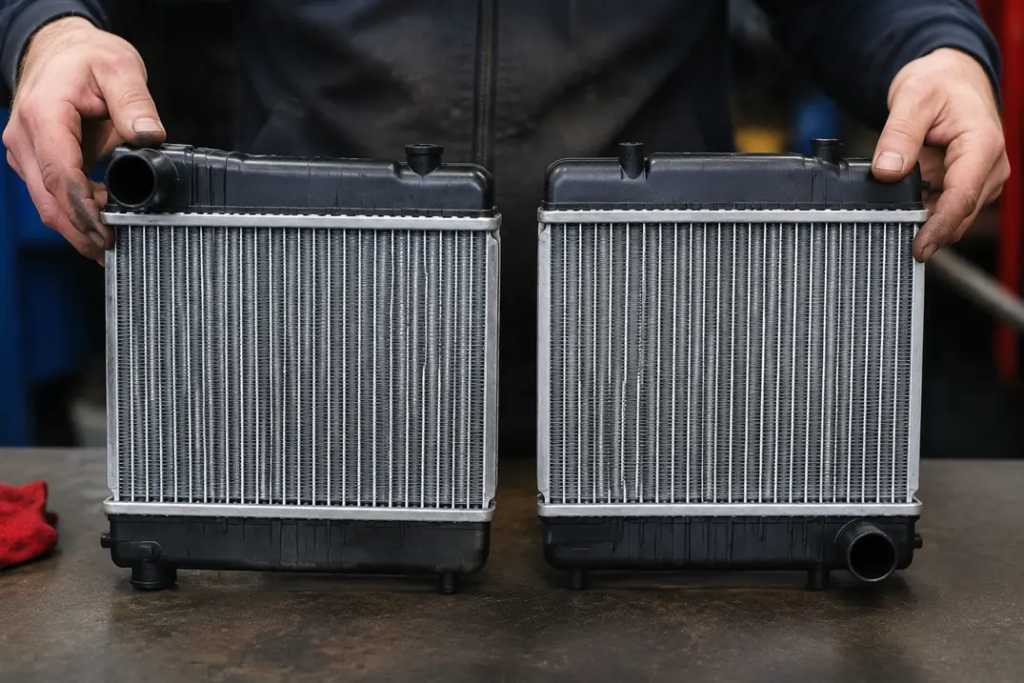
The part arrives. It looks right. Then the technician holds it up against the old one and the outlet is on the wrong side.
Now the truck is down for another three days, somebody is arguing about a return, and the repair that was supposed to close on Tuesday closes on Friday.
This happens constantly, and almost always for the same reason: the order was placed by description instead of by part number.
Why “a radiator for a 2019 model” is not enough information
Heavy duty applications are not standardised the way people assume.
The same truck model in the same year can come with different engine options, different transmission configurations, different cab specs, and sometimes a running change partway through the production year that alters the component without changing the model name.
Any one of those can change the part you need. Core dimensions, inlet and outlet position, port sizes, mounting tab locations, whether a transmission cooler is integrated, how many rows the core has. Two radiators can be visually similar and still be entirely different components.
The description tells you roughly what family the part belongs to. It does not tell you which one fits.
The part number is the only reliable identifier
The OEM number is what removes the guesswork, and there are usually three places to find it.
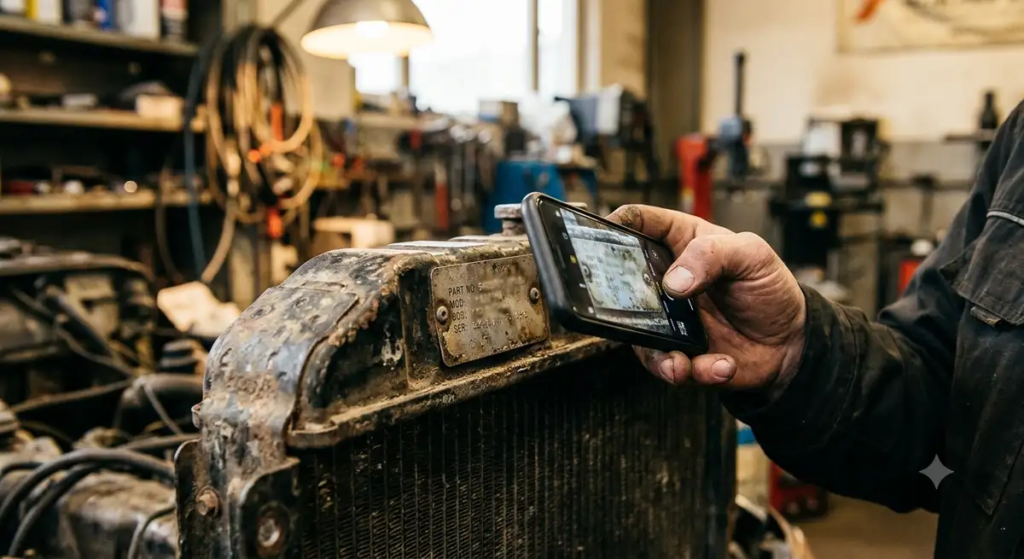
On the existing component. Most cooling and climate components carry a tag, a sticker, or a stamped number. Photograph it before the old part leaves the shop, because once it goes in the scrap bin that information is gone.
On the vehicle build record. The original build sheet lists what was actually fitted, which matters when a previous repair substituted something.
Through the VIN. A dealer or a supplier with the right catalogue access can work back from the VIN to the original specification.
Once you have that number, a supplier can cross reference it to an aftermarket equivalent with confidence. Working the other direction, from a description to a guess, is where the wrong part comes from. Suppliers who deal with commercial fleets daily, Quick Fit Parts among them, will almost always ask for the number rather than the model, and that question is not bureaucracy. It is the difference between one shipment and two.
What to check before you place the order
Measure the old part. Core height, core width, overall depth. If the numbers do not match what is listed, stop and ask.
Confirm inlet and outlet position and size. This is the single most common mismatch, and it is the one that is impossible to work around once the part is in the bay.
Check the mounting points. Tab position and hole spacing vary between configurations that otherwise look identical.
Ask about integrated coolers. Whether an oil or transmission cooler is built into the unit changes the part entirely.
For AC components, confirm fitting type and system design. Condensers vary by fitting, and whether the system uses a receiver drier or an accumulator determines which components are correct.
Build the information before you need it
The fastest repairs happen at operations that did this work in advance.
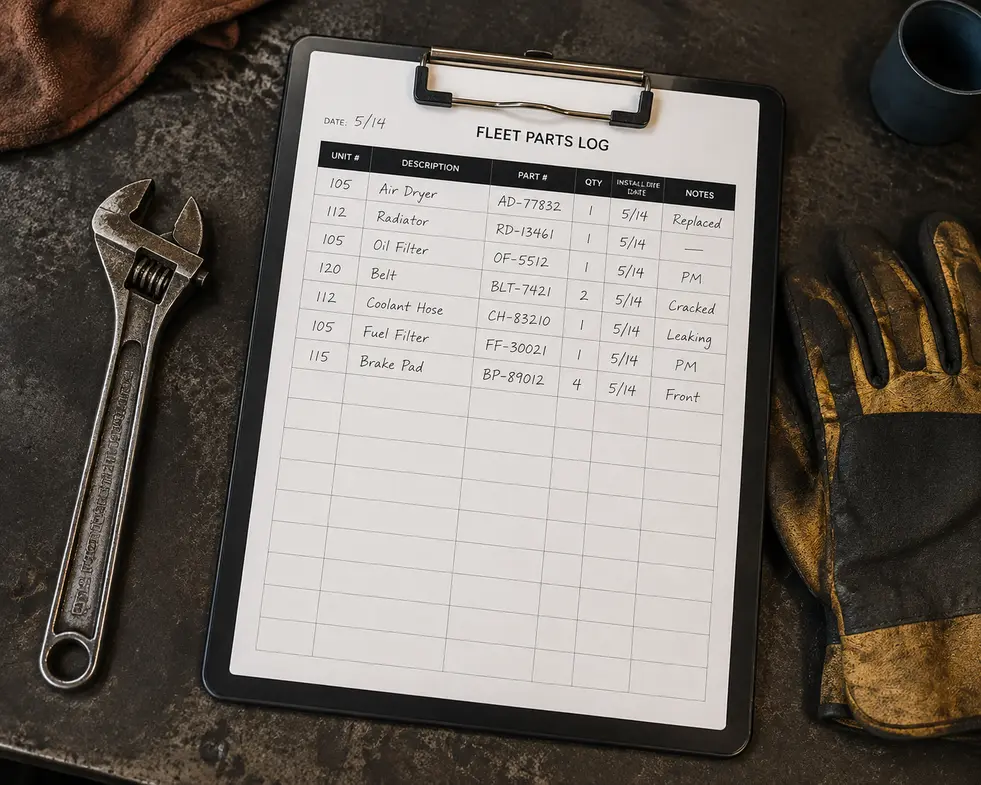
Keep a record for each unit in the fleet listing the components that have been replaced and the part numbers used. It takes a few minutes per repair and it turns the next failure into a phone call rather than an investigation.
Photograph tags during every service, not only during a breakdown. A photo of a radiator tag taken during a routine inspection costs nothing and is worth a great deal at 6am on a Monday.
Confirm stock and lead time before the truck comes off the road, not after. A component that has to be ordered from overseas turns a two day repair into a two week one, and knowing that in advance lets you schedule around it instead of discovering it mid repair.
The unglamorous conclusion
None of this is complicated work. It is just work that has to happen before the urgency arrives, which is exactly why it usually does not.
The shops and fleets that consistently get the right part on the first attempt are not better at diagnosing. They are better at record keeping. They know what is fitted to each unit, they have the numbers written down, and when something fails they are placing an order rather than starting a search.
That habit costs a few minutes per repair and saves several days per year.