When to See a Neurologist: Understanding Brain and Nervous System Care in Abu Dhabi
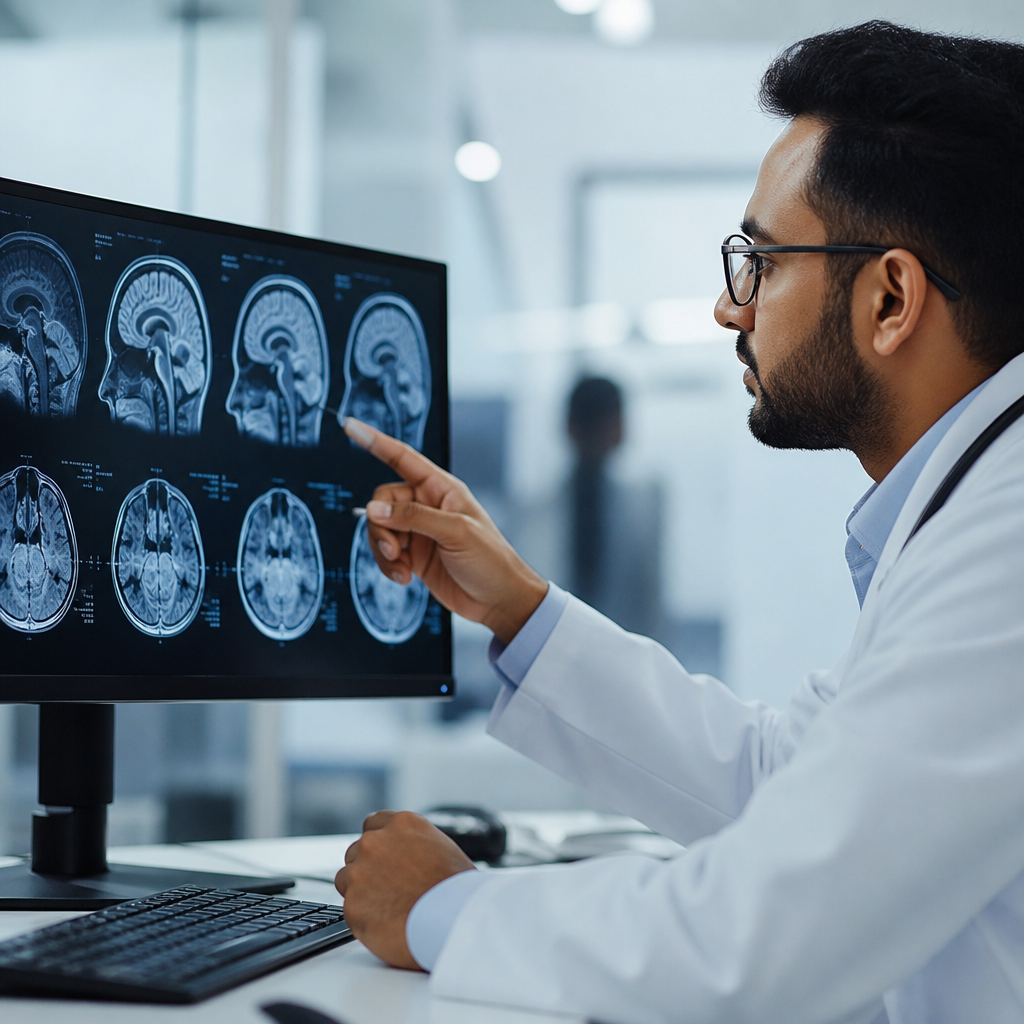
Neurological health is one of the most complex and consequential areas of medicine. The brain, spinal cord, and peripheral nervous system govern virtually every function of the human body — from movement and sensation to memory, speech, and emotional regulation. When something goes wrong within this intricate network, the consequences can be life-altering. Yet many people delay seeking specialist care, either because they are unsure whether their symptoms warrant attention or because they simply do not know where to turn. Understanding when and why to consult a neurologist is an essential step toward protecting long-term health.
Recognizing the Warning Signs That Require Neurological Evaluation
Not every headache signals a serious problem, but certain symptoms should never be dismissed. Sudden, severe headaches that feel unlike any you have experienced before, persistent dizziness or loss of balance, unexplained numbness or tingling in the limbs, vision disturbances, difficulty speaking or understanding language, and episodes of memory loss or confusion are all potential indicators of neurological dysfunction. Seizures, tremors, and muscle weakness that develops progressively over time are equally important warning signs.
The challenge is that many of these symptoms overlap with conditions managed by other specialists, such as cardiologists or orthopedic surgeons. A neurologist’s role is to determine whether the root cause lies within the nervous system and to guide diagnosis and treatment accordingly. Early evaluation is critical — conditions like stroke, multiple sclerosis, and Parkinson’s disease respond far better to treatment when identified in their early stages.
Common Neurological Conditions That Require Specialist Care
Neurologists diagnose and manage a wide spectrum of conditions. Epilepsy, characterized by recurrent seizures, requires careful medication management and lifestyle guidance. Migraine disorders, while often underestimated, can be severely debilitating and may require preventive therapies beyond standard pain relief. Stroke — both ischemic and hemorrhagic — demands immediate neurological intervention to minimize brain damage and support recovery. Neurodegenerative diseases such as Alzheimer’s, Parkinson’s, and ALS require ongoing specialist oversight as they progress. Peripheral neuropathy, often associated with diabetes or autoimmune conditions, can cause chronic pain and functional impairment if left unaddressed.
The Diagnostic Process: What to Expect During a Neurological Consultation
A first appointment with a neurologist typically begins with a thorough review of your medical history, including any family history of neurological conditions. The physician will conduct a detailed neurological examination, assessing reflexes, coordination, muscle strength, sensory responses, and cognitive function. Based on these findings, they may order further investigations such as MRI or CT scans of the brain and spine, electroencephalography (EEG) to monitor brain activity, nerve conduction studies, or lumbar puncture in specific cases.
This systematic approach ensures that diagnoses are accurate and that treatment plans are tailored to the individual. Neurological care is rarely one-size-fits-all — the same symptom can have multiple underlying causes, each requiring a different therapeutic strategy.
Preparing for Your Neurological Appointment
Arriving well-prepared for a specialist consultation can significantly improve the quality of care you receive. Bring a comprehensive list of your current medications, including supplements and over-the-counter drugs. Document your symptoms in detail — when they began, how frequently they occur, what makes them better or worse, and how they affect your daily life. If you have had previous imaging or laboratory tests, bring those results as well. For patients undergoing any planned neurological procedures, reviewing a comprehensive surgery preparation checklist can help ensure you are fully ready for what lies ahead, both physically and logistically.
Neurological Care and Patient Rights: Understanding Medical Accountability
Receiving specialist neurological care also means placing a significant degree of trust in your medical team. While the vast majority of neurologists provide exceptional, evidence-based care, patients should be aware of their rights when things do not go as expected. Misdiagnosis, delayed diagnosis, or errors in treatment can have serious consequences in neurology, where timing is often critical. If you believe you have been harmed by substandard care, understanding what evidence you need for a medical malpractice claim is an important first step in protecting yourself and seeking appropriate recourse.
Being an informed patient does not mean approaching your care with suspicion — it means understanding the standards to which medical professionals are held and knowing your options if those standards are not met. Open communication with your neurologist, asking questions, and seeking second opinions when uncertain are all reasonable and encouraged practices.
Cleveland Clinic Abu Dhabi: A Center of Neurological Excellence
For residents and visitors in the UAE seeking world-class neurological care, Cleveland Clinic Abu Dhabi stands as one of the region’s most respected institutions. The Neurological Institute at Cleveland Clinic Abu Dhabi brings together internationally trained specialists who manage the full range of neurological and neurosurgical conditions. Whether you are dealing with a newly diagnosed condition, seeking a second opinion, or managing a long-term neurological disorder, consulting a neurologist in abu dhabi at this facility means accessing care that meets the highest global standards. The institute integrates advanced diagnostic technology with multidisciplinary collaboration, ensuring that each patient receives a comprehensive and individualized approach to their neurological health.
The team at Cleveland Clinic Abu Dhabi’s Neurological Institute includes specialists in epilepsy, movement disorders, stroke, neuromuscular disease, neuro-oncology, and more. This breadth of expertise means that complex cases — those that might require input from multiple subspecialties — can be managed cohesively within a single, integrated system of care.
The Importance of Multidisciplinary Neurological Care
Modern neurology rarely operates in isolation. A patient recovering from a stroke may require input from neurologists, rehabilitation specialists, speech therapists, occupational therapists, and psychologists. A child with epilepsy may benefit from collaboration between pediatric neurologists, nutritionists, and educational support teams. The most effective neurological care models are those that bring these disciplines together under one roof, enabling seamless communication and coordinated treatment planning.
This integrated model also supports better long-term outcomes. Patients who receive coordinated care are more likely to adhere to treatment plans, experience fewer complications, and maintain a higher quality of life over time.
Conclusion: Prioritizing Your Neurological Health
The nervous system is the foundation upon which all other bodily functions rest. Protecting it requires awareness, timely action, and access to skilled specialist care. Whether you are experiencing symptoms that concern you, managing a diagnosed condition, or simply seeking to understand your neurological health better, taking that first step toward a specialist consultation is one of the most important decisions you can make. In Abu Dhabi, world-class neurological expertise is accessible — and for many patients, early intervention makes all the difference between a full recovery and lasting impairment. Do not wait for symptoms to worsen. Seek the care you deserve.