Why Is My Air Conditioner Blowing Warm Air?

When the summer heat is at its peak, few things are more frustrating than discovering your air conditioner is blowing warm air instead of the cool relief you expect. This common issue can quickly make your home uncomfortable and leave you searching for answers. Understanding why your air conditioner isn’t cooling properly is essential to restore comfort and prevent further damage to your system. Several potential causes range from simple fixes to more complex mechanical problems. By identifying the root cause, you can take the right steps to restore optimal performance and enjoy a cool, comfortable home again.
Common causes of warm air from AC
Thermostat settings and power issues
One of the first things to check when your air conditioner is blowing warm air is the thermostat. Sometimes, the thermostat may have been accidentally set to the wrong mode or temperature. If the thermostat is set to “heat” instead of “cool,” or if the temperature is set higher than the current room temperature, the system will not produce cold air. A malfunctioning thermostat can also send incorrect signals to your air conditioner, causing it to operate improperly. Power issues can also contribute. If the circuit breaker has tripped or a fuse has blown, the outdoor unit may not be receiving power, even if the indoor fan is running. This disconnect can cause warm air to blow from your vents. Setting your thermostat correctly and confirming your system has power is a simple but crucial first step in diagnosing the problem.
See also: The Impact of Artificial Intelligence on Everyday Life
Dirty air filters and airflow restrictions
Airflow is critical to your air conditioning system’s proper operation. When air filters clog with dust, dirt, and debris, they restrict airflow through the system. This can cause the evaporator coil to freeze, which in turn prevents the system from cooling the air effectively. As a result, you may notice warm air coming from your vents. Regularly changing or cleaning your air filters is an easy way to maintain good airflow and prevent this issue. In addition to dirty filters, blocked or closed vents and obstructions in the ductwork can also restrict airflow. Furniture, curtains, or other objects placed in front of vents can impede the distribution of cool air throughout your home. Addressing these airflow restrictions can often resolve the problem and restore your air conditioner’s cooling ability. If you need professional help, 702 PlumbAIR can help diagnose and resolve airflow issues to ensure your system runs smoothly.
Refrigerant leaks and low refrigerant levels
Refrigerant absorbs heat from the air inside your home and releases it outside. If your air conditioner is low on refrigerant, it can’t cool the air effectively, so warm air blows from the vents. Low refrigerant levels often result from leaks in the system, which can develop over time due to wear and tear or damage to the refrigerant lines. Signs of a refrigerant leak include hissing or bubbling noises, ice buildup on the evaporator coil, and a noticeable decrease in cooling performance. Addressing refrigerant issues requires a licensed technician, as handling refrigerant is regulated and can be hazardous. A professional can locate and repair the leak, recharge the system with the correct amount of refrigerant, and ensure your air conditioner is operating safely and efficiently. Ignoring refrigerant problems can lead to more serious damage and higher repair costs later.
Outdoor unit problems
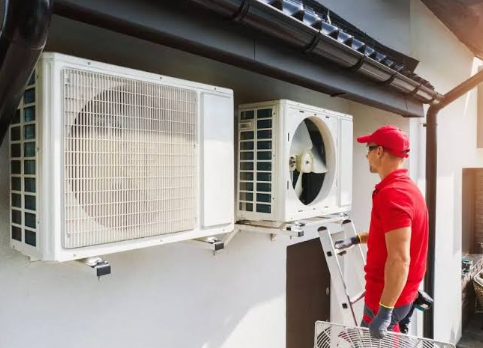
The outdoor unit of your air conditioning system plays a vital role in the cooling process. It houses the compressor and condenser coil, which work together to release the heat absorbed from inside your home. If the outdoor unit is not functioning properly, your air conditioner will struggle to cool the air. Common outdoor unit issues include a malfunctioning compressor, dirty or blocked condenser coils, and electrical problems. Dirt, leaves, and debris can build up around the unit, restricting airflow and reducing efficiency. Regular maintenance, such as cleaning the coils and ensuring the area around the unit is clear, can help prevent these problems. If the compressor fails, the system can’t circulate refrigerant, resulting in warm air. Electrical issues, such as faulty wiring or a failed capacitor, can also prevent the outdoor unit from operating. These problems typically require professional diagnosis and repair to restore proper function.
Quick maintenance tips
Regular maintenance is one of the best ways to reduce the likelihood of an air conditioner suddenly blowing warm air. Simple tasks such as checking filters regularly, keeping supply and return vents clear, and removing obvious debris from around the outdoor unit can help the system operate more consistently.
AC upkeep also fits into the broader routine of home care. Following useful tips for homeowners on maintenance, cleaning, organization, and everyday home care can make it easier to address small issues before they become more disruptive.
Professional HVAC inspections can also help identify worn components, airflow problems, drainage issues, and declining performance before they cause a complete loss of cooling. A consistent maintenance routine is generally more effective than waiting until the system develops a noticeable problem.
Ductwork and insulation concerns
The condition of your home’s ductwork and insulation can significantly affect your air conditioner’s ability to cool your home. Leaky or poorly insulated ducts can allow cool air to escape before it reaches your living spaces, resulting in warm air blowing from the vents. Over time, ducts can develop cracks, holes, or loose connections, especially in older homes. Inadequate insulation in attics, crawl spaces, or around the ductwork can also contribute to heat gain, making it harder for your air conditioner to maintain a comfortable temperature. Addressing ductwork and insulation issues may involve sealing leaks, adding insulation, or even replacing damaged sections of ductwork. These improvements not only enhance cooling performance but can also improve energy efficiency and reduce utility bills. If you suspect ductwork or insulation problems, a professional assessment can help identify and resolve these issues, ensuring your air conditioner delivers cool air where you need it most.
Conclusion
A warm air problem from your air conditioner can stem from a variety of factors, from simple thermostat or filter issues to more complex mechanical or refrigerant problems. Addressing these issues promptly helps maintain comfort and prevent further damage to your system. Regular maintenance, timely repairs, and attention to airflow and ductwork can help keep your air conditioner running smoothly throughout the hottest months. If you can’t resolve the issue on your own, professional help can ensure your system is properly diagnosed and repaired, restoring cool comfort to your home. Taking proactive steps now can help you avoid future breakdowns and enjoy reliable cooling all season long.