Practical Ways to Make Your Home More Energy Efficient and Comfortable
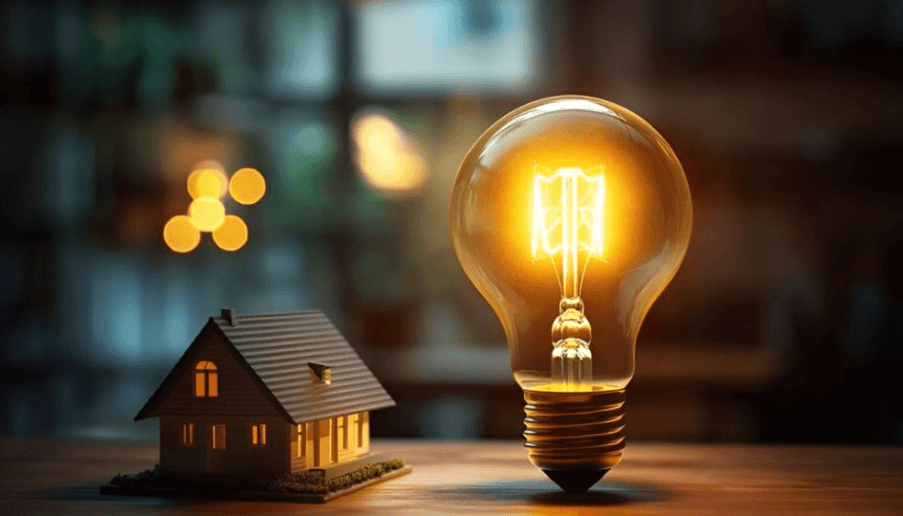
Making a home more energy efficient does not always require a major renovation. Small improvements to insulation, lighting, appliances, water heating, and daily habits can reduce unnecessary energy use while making living spaces more comfortable. By identifying where your home wastes energy and addressing those areas first, you can improve efficiency, lower utility expenses, and create a more sustainable household without sacrificing convenience.
Improve Your Home’s Insulation
Insulation plays an important role in keeping conditioned air inside your home. During summer, it helps prevent outdoor heat from entering living spaces, while in winter, it slows the loss of heated air. Homes with insufficient or deteriorated insulation may require heating and cooling systems to operate longer to maintain a comfortable temperature.
Start by evaluating the attic, where inadequate insulation can have a particularly noticeable effect. Heat can move through the ceiling when insulation is insufficient, making upper rooms uncomfortable during hot weather and allowing warm air to escape during colder months. Adding the appropriate amount of insulation can improve temperature stability and reduce the demand placed on HVAC equipment.
Walls, floors, basements, and crawl spaces may also require attention depending on the home’s construction. A professional energy assessment can help identify areas where insulation improvements are most likely to make a difference.
Seal Common Air Leaks
Insulation works best when combined with proper air sealing. Small gaps around windows, doors, plumbing penetrations, electrical openings, and vents can allow conditioned air to escape.
Inspect weatherstripping around exterior doors and check caulking around windows. Sealing these openings can reduce drafts and prevent your heating and cooling equipment from working harder than necessary. It can also make rooms feel more consistently comfortable throughout the year.
Maintain Your Heating and Cooling Equipment
Heating and cooling equipment typically accounts for a significant portion of household energy use. Keeping these systems properly maintained can improve efficiency, preserve performance, and help prevent unexpected breakdowns.
Replace or clean filters as recommended for your equipment. A clogged filter restricts airflow, which can make the system work harder and may reduce indoor comfort. Keep supply vents and return grilles unobstructed by furniture, rugs, curtains, or other objects.
Professional maintenance can also identify developing issues that may affect performance. Regular system evaluations help maintain consistent indoor temperatures and prevent unexpected system stress during seasonal weather shifts. For residents managing home comfort systems in specific regions, consulting a specialist in hvac in Harvey ensures that equipment is properly calibrated to handle local cooling and heating demands efficiently over time. A qualified technician can inspect components, check airflow, and determine whether the system is operating as efficiently as it should.
Improve Airflow
Uneven temperatures between rooms can be a sign of airflow problems. A bedroom that remains hot while other areas feel cool may indicate duct leaks, inadequate returns, blocked vents, or an unbalanced system.
If certain rooms consistently have temperature problems, consider having your ductwork and airflow evaluated. Improving air distribution can help your HVAC system condition the home more evenly and potentially reduce unnecessary energy consumption.
Upgrade Your Water Heating System
Water heating is another area where homeowners can find opportunities to reduce energy use. Older water heaters may consume more energy than newer, more efficient systems, particularly when they struggle to maintain the required temperature or have significant mineral buildup.
If your water heater is aging, frequently requires repairs, produces inconsistent hot water, or shows signs of deterioration, it may be time to evaluate replacement options. A modern system that matches your household’s hot-water needs can improve efficiency while providing dependable performance.
When considering water heater replacement in Layton, homeowners should evaluate factors such as household size, hot-water demand, fuel source, available installation space, equipment efficiency, and long-term operating costs. Professional guidance can help determine which system is appropriate for the home’s plumbing and utility setup.
Reduce Hot-Water Waste
You can also reduce water-heating energy use through everyday habits. Take shorter showers, repair dripping hot-water faucets, and avoid running appliances with hot-water settings unless necessary.
Insulating accessible hot-water pipes can help reduce heat loss between the water heater and fixtures. Lowering the water-heater temperature to an appropriate setting may also reduce energy consumption, provided it remains suitable for household needs and equipment requirements.
See also: Selling Your Home in New Britain, CT: A Comprehensive Guide for Homeowners
Use Lighting More Efficiently
Lighting is an easy place to begin making a home more energy efficient. Traditional incandescent bulbs convert much of the electricity they consume into heat rather than useful light, while modern efficient lighting options can provide comparable illumination using substantially less energy.
Replace frequently used inefficient bulbs with energy-efficient alternatives. Pay particular attention to kitchens, living rooms, hallways, bathrooms, and outdoor fixtures that remain on for extended periods.
Take Advantage of Natural Light
Using daylight whenever practical can further reduce electricity consumption. Open blinds and curtains during the day when sunlight can provide adequate illumination, and arrange workspaces near windows when possible.
However, consider the effect of direct sunlight on indoor temperatures. During hot weather, closing shades during the brightest parts of the day can reduce solar heat gain and help your cooling system operate more efficiently.
Improve Appliance Efficiency
Household appliances can contribute significantly to energy consumption, especially when older models operate less efficiently than current alternatives. Refrigerators, freezers, dishwashers, washing machines, dryers, and other frequently used appliances deserve particular attention.
When replacing an appliance, compare its energy-use information rather than focusing only on the purchase price. A model that costs slightly more initially may use less energy over its operating life, potentially providing savings over time.
Proper maintenance also matters. Clean refrigerator coils when appropriate, avoid overloading washing machines and dishwashers, and clean dryer vents regularly. Appliances generally perform more efficiently when they are maintained and used according to their intended operating conditions.
Rethink Laundry Habits
Laundry routines can affect household energy use more than many homeowners realize. Washing clothes with cold or cooler water when appropriate reduces the energy needed to heat water.
Dryers can also consume substantial electricity or fuel. Use the correct cycle, avoid overloading the machine, and clean the lint filter after each load. When weather permits, air-drying some clothing can eliminate dryer energy use altogether.
Reduce Energy Loss From Windows and Doors
Windows and exterior doors form a major part of your home’s thermal envelope. Older or poorly sealed units may allow unwanted heat transfer, making your HVAC system work harder to maintain indoor temperatures.
Inspect window frames, door thresholds, and weatherstripping for visible gaps or deterioration. Replacing damaged seals or adding appropriate weatherstripping can be a relatively simple improvement. Caulking small gaps around stationary window frames may also help reduce drafts.
Consider Window Treatments
Window coverings can provide an additional layer of temperature control. During summer, shades and curtains can block direct sunlight and reduce heat entering the home. During winter, closing insulated curtains after sunset can help reduce heat loss through windows.
Use window treatments strategically based on the season and the orientation of each window. Rooms that receive strong afternoon sunlight may benefit particularly from daytime shading during warmer months.
Make Your Daily Habits More Energy Efficient
Technology and home improvements are important, but everyday behavior also has a meaningful impact on energy consumption. Turning off lights in unoccupied rooms, unplugging equipment that is not needed, and adjusting thermostat settings when the home is empty can prevent unnecessary energy use.
Avoid making extreme thermostat adjustments that force the system to work excessively to restore the desired temperature. Instead, use reasonable temperature settings that balance comfort with efficiency.
Be Strategic With Thermostat Settings
Small thermostat adjustments can add up over time. During cooler months, lowering the temperature slightly while sleeping or away from home can reduce heating demand. During warmer months, allowing the indoor temperature to rise modestly when the home is unoccupied can reduce cooling demand.
Programmable or smart controls can help automate these adjustments, but the most important factor is using settings that match your household’s schedule. Automation is useful only when it supports practical habits.
Manage Water Use Efficiently
Reducing water consumption can also reduce energy use, particularly when the water being conserved is heated. Leaking faucets, inefficient showerheads, and outdated fixtures can cause both water and energy waste.
Repair plumbing leaks promptly and consider efficient fixtures when replacing older ones. Low-flow showerheads and faucets can reduce hot-water demand while maintaining useful water pressure when properly selected.
You can also avoid running hot water unnecessarily. Turn off the faucet while brushing your teeth, run dishwashers and washing machines with full loads when practical, and avoid letting hot water flow while waiting to complete unrelated tasks.
Protect Your Plumbing System
Regular plumbing maintenance can help prevent leaks and improve system performance. Watch for damp areas, unexplained increases in water use, low water pressure, or unusual sounds coming from pipes.
Addressing small plumbing problems early can prevent water damage and reduce the energy associated with heating water that never gets used.
Schedule an Energy Assessment
If you want a clearer picture of where your home is wasting energy, consider arranging a professional energy assessment. An assessment can evaluate insulation, air leakage, heating and cooling performance, windows, lighting, and other factors that affect overall efficiency.
The results can help you prioritize projects based on potential savings and practical value. Instead of guessing which upgrades will have the greatest impact, you can focus on areas where improvements are most needed.
Prioritize High-Impact Projects
Start with issues that affect safety, major energy loss, or system performance. Air leaks, inadequate insulation, inefficient HVAC equipment, and outdated water heating systems may deserve attention before cosmetic improvements.
Once major inefficiencies have been addressed, smaller changes such as efficient lighting, appliance-use adjustments, and improved daily habits can complement those upgrades. A phased approach allows homeowners to improve efficiency over time without taking on every project at once.
Conclusion
Making your home more energy efficient is a process built from practical improvements and consistent habits. Better insulation, sealed air leaks, maintained HVAC equipment, efficient water heating, smarter lighting, updated appliances, and thoughtful water use can all reduce unnecessary energy consumption. By prioritizing the areas with the greatest potential impact, homeowners can lower operating costs while creating a more comfortable and efficient home for years to come.