How to Test-Drive a Truck or Car in Dallas, Austin, and Houston, Texas
Texas drivers need vehicles that can handle more than a quick trip around the block. From Dallas-area tollways and Austin stop-and-go traffic to Houston rainstorms, wide parking lots, and long highway stretches, a meaningful test drive should reflect the roads you actually use. Before making a decision, take time to schedule a truck test drive that gives you room to evaluate the vehicle without feeling rushed.
A test drive is not a promise to buy. It is a hands-on research step that helps you decide whether a car, SUV, or pickup fits your commute, family, work equipment, weekend plans, and comfort preferences. Photos and specifications can be useful, but they cannot tell you how a truck feels merging onto I-35, parking in a crowded Dallas shopping center, or riding over uneven pavement near Houston.
Why a Test Drive Matters
The right vehicle should feel natural from the driver’s seat. During a proper drive, you can judge visibility, steering weight, braking response, seat comfort, cabin noise, screen usability, and parking confidence. A pickup that looks ideal online may feel too large for daily parking, while a vehicle with strong performance figures may have a stiff ride that becomes tiring on a long Texas commute. The goal is to recreate everyday driving as closely as possible.
What to Do Before You Go
A little preparation makes a short appointment far more valuable. Compare two or three similar vehicles, then confirm the exact trim, mileage, drivetrain, towing equipment, and features advertised. If you are shopping for a used vehicle, review the history report and ask about any available maintenance records before arriving.
Call ahead to make sure the exact vehicle is on-site, especially if you want a particular cab configuration, bed length, engine, or four-wheel-drive system. Choose a daylight appointment when possible, write down your must-have features, and plan enough time to drive on multiple types of roads.
What to Bring
- A valid driver’s license and proof of insurance are required if the seller requires it.
- Your phone and charging cable are needed to test Bluetooth, USB ports, and wireless charging.
- A child safety seat, work bag, cooler, sports gear, or other items you carry regularly.
- A notes app or printed checklist for recording first impressions.
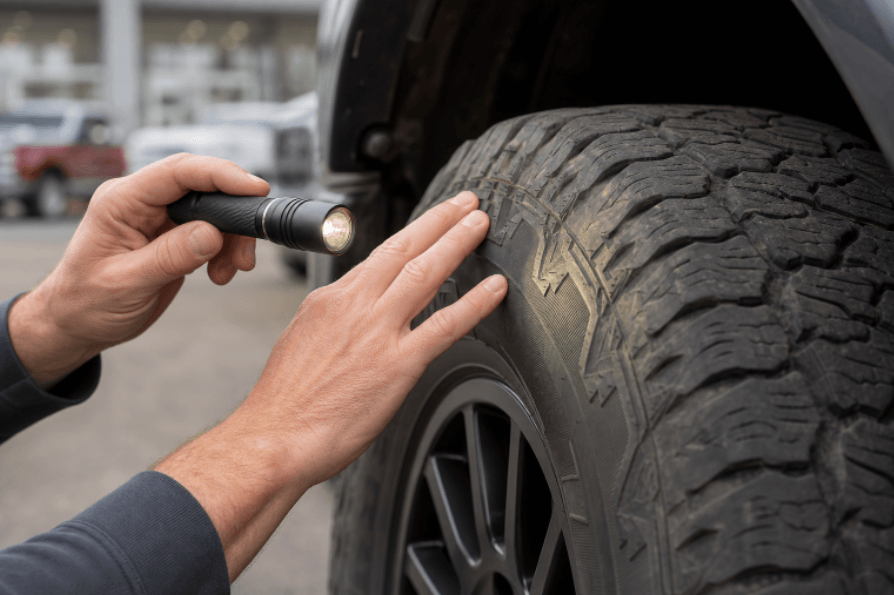
- A small flashlight for checking tires, cargo compartments, and darker areas under the hood.
- A trusted friend or family member who can sit in the passenger or rear seat and offer a second opinion.
The Five-Minute Exterior Check
Walk around the vehicle before starting it. Look for dents, scratches, mismatched paint, uneven panel gaps, cracked lights, windshield damage, and worn mirror housings. Check that the tires match in size and have even tread wear, since irregular wear can indicate alignment, suspension, or maintenance issues.
Look beneath the vehicle for fresh fluid spots. On a truck, inspect the hitch area, bed, tailgate, tie-down points, and any aftermarket accessories for damage or rushed installation. If possible, ask to start the vehicle when the engine is cold. That can make unusual noises, rough idling, or warning lights easier to notice.
Check the Cabin and Controls
Treat the cabin as if you already own the vehicle. Adjust the seat, steering wheel, mirrors, and seat belt, then check whether you have a clear view over the hood and around the roof pillars. Open every door you expect passengers to use, sit in the rear seat, and test entry and exit. For trucks, make sure the rear seating and under-seat storage work for your crew, tools, or travel gear.
Test the climate controls, defroster, windows, locks, lights, backup camera, parking sensors, and driver-assistance displays. Pair your phone and try the functions you use most. Controls should be easy to reach without taking attention away from traffic. In Texas heat, strong air conditioning and easy-to-use vents are practical necessities, not minor extras.
Build a Useful Texas Test-Drive Route
A helpful route includes more than a parking-lot loop. Use parking maneuvers to check turning radius, camera angles, pedal response, and how comfortably the vehicle fits in a space. On neighborhood streets, notice ride quality, steering effort, and visibility around cyclists, pedestrians, and parked cars.
Add stop-and-go traffic to assess low-speed transmission behavior and brake feel, then use a safe open road to check acceleration, lane stability, passing confidence, and wind noise. If permitted, include rough pavement or a patched roadway to listen for rattles and evaluate suspension control. A car test-drive checklist can help you remember to test a variety of roads, technology, seating, and cargo space before your impressions fade.
See also: How Automart Superstore Streamlines Used Car Buying
Warning Signs to Watch For
One concern may need an explanation or inspection. Several concerns should slow the process. Pay attention to delayed or harsh shifts, steering that pulls, brake vibration, soft braking, grinding, clunking, whining, high-speed vibration, warning lights, unusual odors, or screens that freeze or disconnect.
The vehicle should accelerate smoothly, track straight under braking, and feel predictable through turns. Do not dismiss a problem because you like the color, price, or feature list. Ask questions, document what happened, and get a qualified mechanic involved when needed.
Extra Checks for Used Cars and Trucks
For a used vehicle, match the vehicle identification number with the paperwork and compare the odometer reading with service records. Look for water stains, mildew odors, corrosion, mismatched paint, overspray, or incomplete repair work. Confirm that expected items are present, including keys, manuals, charging equipment for electrified vehicles, spare-tire tools, and truck accessories.
A road test does not replace a pre-purchase inspection. Ask whether an independent mechanic can inspect the vehicle before you finalize a purchase, particularly when it has higher mileage, a prior accident record, major modifications, or signs of heavy towing or work use.
What to Do After the Drive
Park, step away for a few minutes, and write down your strongest positives and biggest concerns. Rate the vehicle’s comfort, visibility, power, braking, ride, noise, storage, technology, and ease of parking. Compare those notes against the other vehicles on your shortlist while the experience is fresh.
Before discussing monthly payments, request the full out-the-door price and ask about fees, trade-in value, financing terms, and optional products. Practical car-buying test-drive advice can also help connect your driving impressions with the financial questions that matter before signing. If you still feel unsure, schedule a second drive rather than forcing a quick decision.
Common Test-Drive Questions
How Long Should a Test Drive Last?
It should last long enough to include turns, stops, parking, neighborhood streets, and a faster road when safe and permitted. A longer route is especially useful for trucks, larger SUVs, and vehicles you expect to drive on Texas highways.
Can Someone Test-Drive a Vehicle Without Buying It?
Yes. A test drive is part of responsible shopping, not a purchase commitment. Be honest about your timeline and follow the seller’s rules regarding licensing, insurance, and accompanied drives.
Should You Drive More Than One Vehicle?
Yes. Driving back-to-back leading choices makes differences in seat comfort, visibility, ride quality, technology, and maneuverability much easier to identify.
What if the Seller Will Not Allow a Proper Test Drive?
Ask why, request a reasonable alternative, and avoid rushing into a purchase without adequate time behind the wheel. A vehicle is too significant an investment to evaluate only from a parking lot.
Conclusion
A good Texas test drive is a real-life trial, not a casual lap around the dealership. Use a clear route, inspect the vehicle carefully, test the features you will use every day, and give yourself time to compare options. The best vehicle is not necessarily the newest or most powerful. It is the one that feels safe, comfortable, practical, and dependable on the roads where you live and work.