The Rise of EV Charging Infrastructure – What Homeowners and Businesses Need to Know
Electric vehicles have moved from a niche curiosity to a mainstream transportation choice, and the infrastructure supporting them is racing to keep pace. Whether you are a homeowner considering your first EV purchase or a business owner thinking about adding charging stations to your property, understanding the landscape of charging options has never been more important. The shift toward electrification is not just about the cars themselves – it is about the ecosystem that keeps them running.
Why Charging Infrastructure Matters More Than Ever
A few years ago, range anxiety was the biggest barrier to EV adoption. Today, that concern has shifted from “how far can I go” to “where can I charge.” As more drivers make the switch, the demand for reliable, fast, and accessible charging points has grown exponentially. Cities are updating zoning codes, workplaces are adding charging as an employee perk, and retail centers are installing stations to attract customers who might otherwise shop elsewhere.
This growing demand has created an entire industry built around planning, installing, and maintaining charging equipment. For property owners, this means charging infrastructure is quickly becoming as standard a consideration as parking lot lighting or security cameras.
Home Charging – Convenience Behind Your Own Door
For most EV owners, home charging remains the most practical daily option. Plugging in overnight and waking up to a full battery eliminates the need for regular stops at public stations. Level 2 home chargers, which require a dedicated circuit similar to what powers an electric dryer, can fully charge most vehicles in six to eight hours.
Homeowners considering an installation should think about a few key factors, including the age and capacity of their electrical panel, the distance between the parking area and the panel, and whether local permits or inspections are required. A qualified electrician can walk through these details, but doing a bit of homework beforehand helps avoid surprises during installation.
Workplace and Commercial Charging – A Growing Expectation
Businesses are increasingly recognizing that offering charging stations is not just a nice-to-do gesture but a genuine competitive advantage. Employees appreciate the convenience, and customers are more likely to linger – and spend – at retail locations, restaurants, and shopping centers that offer a place to top off their battery while they browse or dine.
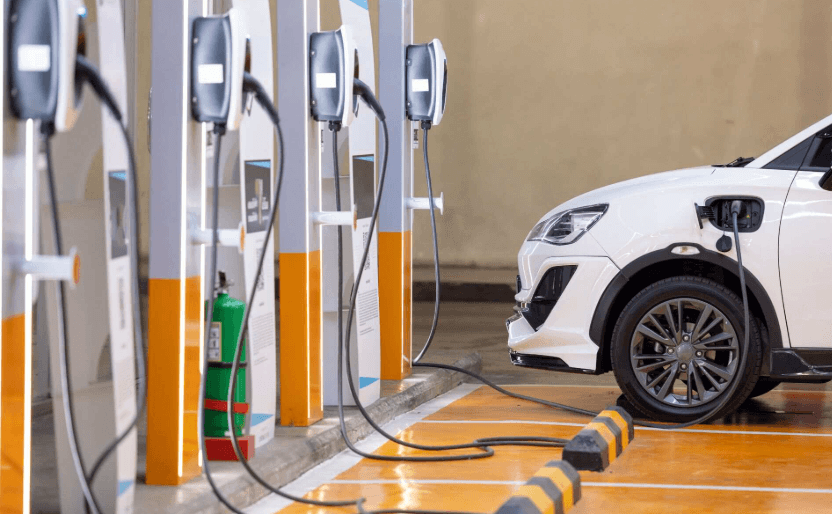
Commercial installations differ from residential ones in scale and complexity. They often involve multiple charging bays, load management systems to prevent overloading the electrical grid,
and sometimes networked software that allows businesses to track usage or even charge a small fee. Property managers exploring this route benefit from working with ev charging for commercial properties providers who understand both the technical and regulatory sides of commercial installations, since permitting requirements can vary significantly from one municipality to another
Choosing the Right Charging Equipment
Not all charging hardware is created equal. Some units are built for simplicity, offering a straightforward plug-and-charge experience, while others come with smart features like scheduling, energy monitoring, and remote diagnostics. For businesses managing multiple vehicles or a fleet, these smart features can make a significant difference in operational efficiency.
When evaluating options, it helps to consider a few practical questions:
- How many vehicles will need to charge at once, and will that number grow over time?
- Is the charging speed appropriate for the intended use, such as overnight residential charging versus fast turnaround for commercial fleets?
- Does the equipment integrate with existing energy management systems or renewable sources like solar panels?
Property owners who take the time to research reliable ev charging solutions before committing to a specific system tend to avoid costly retrofits down the road. Getting the sizing and features right from the start saves both money and headaches later.
The Role of Incentives and Rebates
Governments at the federal, state, and local levels continue to roll out incentives designed to accelerate EV adoption, and many of these programs extend to charging infrastructure as well. Rebates for home installations, tax credits for commercial properties, and grants for fleet electrification are increasingly common, though the specifics vary widely by region.
Anyone planning an installation should check what incentives are currently available in their area before starting the project, since these programs can meaningfully offset installation costs. Timing matters too, as some rebate programs operate on a first-come, first-served basis with limited annual funding.
See also: Advanced scanning tech enhancing security and efficiency everywhere
Looking Ahead – What the Future of Charging Might Look Like
The charging landscape is still evolving. Faster charging speeds, better grid integration, and more intuitive software are all on the horizon. Some analysts predict that within the next decade, charging an EV will feel as routine as fueling a gas-powered car does today, just with less time spent standing at a pump.
For now, the smartest approach for homeowners and businesses alike is to plan ahead rather than react. Understanding your current and future charging needs, researching reputable providers, and staying informed about local incentives puts you in a strong position as the EV market continues its rapid growth.
Final Thoughts
Electric vehicle adoption shows no signs of slowing down, and the infrastructure supporting it is maturing right alongside it. Whether you are installing a single charger in your garage or planning a multi-bay commercial setup, taking a thoughtful, well-researched approach will pay off in reliability, cost savings, and long-term convenience.