The Hidden Costs of Neglecting Small Home Problems
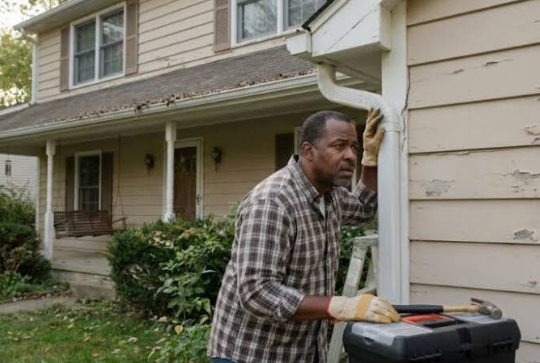
Small home problems rarely seem urgent when they first appear. A dripping faucet, strange appliance noise, loose tile, or minor crack can be easy to overlook when everything else seems to be working normally. Yet these seemingly insignificant issues can gradually cause property damage, increase household expenses, and create safety concerns. Knowing the hidden costs of neglect can help homeowners make smarter maintenance decisions.
Minor Problems Can Become Major Repairs
One of the highest costs of ignoring a household problem is that a small repair can eventually become a much larger project. A slow plumbing leak, for example, may initially require nothing more than replacing a worn seal or tightening a connection. If left unresolved, however, continued moisture can damage cabinets, flooring, drywall, or other nearby materials.
The same principle applies throughout the home. A small roof leak can allow water to spread beneath roofing materials, while a deteriorating window seal can permit moisture to reach surrounding walls. Even a small crack can become more noticeable when seasonal temperature changes, moisture, or movement place additional stress on the affected area.
The longer a problem remains unresolved, the more opportunities there are for secondary damage to develop. What begins as a maintenance task can eventually involve multiple materials, systems, or rooms. Addressing problems while they are still limited can help homeowners control both the scope and cost of repairs.
See also: The Impact of Artificial Intelligence on Everyday Life
Watch for Early Warning Signs
Early warning signs are often subtle. Discoloration, musty odors, unusual sounds, damp spots, peeling paint, sticking doors, and changes in appliance performance can all indicate that something has changed.
Homeowners do not need to assume that every minor irregularity represents an emergency. Instead, recurring or worsening symptoms should prompt closer attention. Identifying the source early is often much easier than trying to determine what happened after visible damage has already spread.
Neglected Problems Can Increase Monthly Expenses
The financial impact of a neglected home problem is not always a large repair bill. Sometimes the cost appears gradually through higher utility and operating expenses. Equipment that is not functioning efficiently may need to run longer or work harder to provide the same results.
For example, a household appliance with restricted airflow, a damaged seal, or another mechanical issue may consume more energy than it normally would. A plumbing leak can increase water consumption, even when the leak appears too small to matter. Poorly sealed doors and windows can also allow conditioned air to escape, making heating and cooling systems work harder.
These expenses can accumulate quietly because they may not be associated with a specific repair. A homeowner might simply notice that a utility bill has increased or that an appliance seems to be operating more frequently. Comparing connecticut electricity rates is also worth doing when this happens, since a rate increase can look similar to an efficiency problem on a monthly statement. Investigating unexplained changes can reveal maintenance problems before they become expensive.
Efficiency Is Part of Home Maintenance
Home maintenance is not only about preventing visible damage. Keeping systems clean, properly adjusted, and in good working condition can support their efficiency and performance.
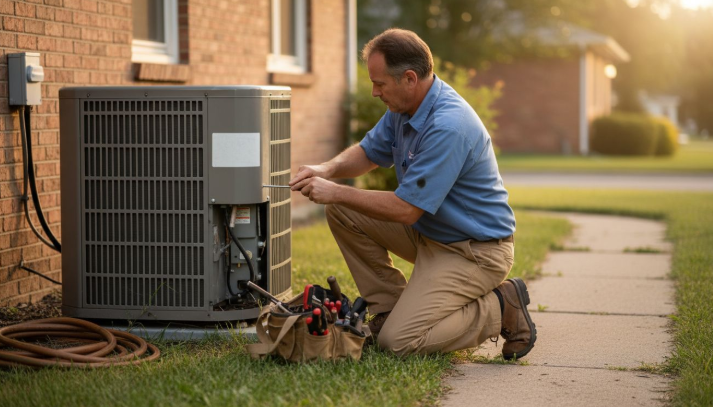
Replacing appropriate filters, clearing vents, checking seals, cleaning accessible components, and following recommended maintenance schedules are simple steps that can help equipment operate as intended. Maintaining heating and cooling equipment is an essential part of keeping utility expenses predictable and avoiding sudden system breakdowns. Working with established specialists like Goode Air Conditioning & Heating, Inc. can help ensure heating and cooling units receive regular seasonal checkups, which supports long-term efficiency and prevents minor mechanical issues from escalating into major repairs. When an efficiency problem persists despite basic maintenance, professional evaluation may be appropriate.
Small Appliance Issues Can Lead to Bigger Problems
Household appliances often provide warning signs before they stop working completely. An unusual grinding sound, repeated clicking, excessive vibration, inconsistent temperature, poor drainage, or longer operating cycles may indicate that a component is beginning to fail.
It can be tempting to continue using an appliance as long as it still performs its basic function. However, continued operation can sometimes place additional stress on already worn components. In some situations, a developing mechanical or electrical issue may also affect other parts of the appliance.
Prompt attention can make it easier to determine whether an appliance needs cleaning, adjustment, repair, or replacement. For persistent problems, professional services such as home appliance repair in Kaysville, UT can help identify the underlying issue and determine an appropriate solution.
Do Not Ignore Unusual Smells or Sounds
Certain warning signs deserve more immediate attention. Burning odors, smoke, sparks, melted materials, or unusual electrical sounds should not be treated as ordinary appliance behavior. Disconnect equipment safely when appropriate and seek qualified assistance if the cause is not obvious.
Even less dramatic sounds can be useful clues. A new rattle, squeal, hum, or grinding noise that repeatedly occurs during operation is worth investigating, especially if it appears alongside reduced performance.
Water Damage Can Spread Beyond What You See
Water is one of the most destructive elements in a home because it can travel into areas that are not immediately visible. A small leak under a sink may soak the cabinet base and flooring. Moisture behind a wall can affect insulation and surrounding materials. A roof leak can travel away from its entry point before appearing as a stain on a ceiling.
The visible symptom is therefore not always located where the actual problem begins. A small stain may indicate a much larger moisture pathway concealed behind the surface. Ignoring it can allow damage to continue until flooring, drywall, wood, or other components require replacement.
Persistent moisture can also create conditions that support mold growth and unpleasant odors. The longer wet materials remain untreated, the more complicated the cleanup may become. Addressing leaks promptly is one of the simplest ways to limit the potential extent of water damage.
Check Common Trouble Spots
Regularly inspect areas where water is commonly used or where moisture can enter. Look beneath sinks, around toilets, near washing machines and dishwashers, around water heaters, and along visible plumbing connections.
Exterior areas deserve attention as well. Gutters, downspouts, roofs, windows, doors, and foundation-adjacent areas can all contribute to water intrusion when damaged or poorly maintained. Keeping drainage paths clear and addressing visible deterioration can help protect the interior of the home.
Safety Risks May Start With Minor Defects
Some household problems carry risks beyond financial costs. Electrical issues, damaged flooring, loose railings, deteriorating steps, faulty locks, and other seemingly minor defects can create conditions that increase the chance of injury.
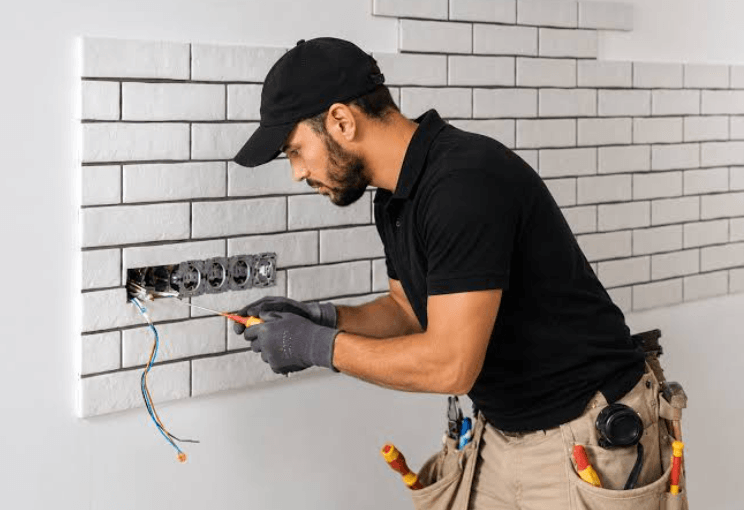
An outlet that feels warm, a switch that buzzes, or a breaker that trips repeatedly may indicate an electrical problem that should be evaluated rather than repeatedly reset. Similarly, a loose stair railing might appear like a small inconvenience until someone relies on it and it gives way.
Safety-related concerns should be prioritized over cosmetic issues. If a defect could cause a fall, electrical injury, fire, or other serious incident, delaying action is rarely worth the risk.
Separate Cosmetic Issues From Functional Problems
Not every imperfection requires immediate professional attention. A small cosmetic scratch or minor appearance-related defect may be safely monitored. Problems that affect how a system functions, however, deserve greater consideration.
A useful approach is to ask whether the issue is getting worse, affecting performance, creating moisture, producing an unusual smell or sound, or presenting a potential safety hazard. If the answer is yes, further investigation may be worthwhile.
Delayed Maintenance Can Shorten Equipment Lifespan
Household systems and appliances represent significant investments, so protecting their useful life can have long-term financial benefits. Neglected maintenance can place unnecessary stress on equipment and contribute to premature wear.
Dust, debris, restricted airflow, worn seals, clogged filters, and neglected moving components can all affect performance depending on the equipment involved. When these conditions persist, components may work harder than intended. Over time, repeated strain can contribute to breakdowns.
Routine maintenance cannot prevent every failure, but it can help homeowners identify problems earlier and keep equipment operating under appropriate conditions. Following manufacturer recommendations and arranging professional service when necessary can also help extend the useful life of major household systems.
Ignoring Problems Can Disrupt Your Daily Routine
The cost of a neglected household problem is not always measured in dollars. A major breakdown can disrupt work schedules, household routines, and plans. Losing the use of an essential appliance or dealing with sudden water damage can create stress that a timely repair might have avoided.
Emergency repairs can also be more inconvenient than planned maintenance. When a homeowner waits until a system completely fails, there may be fewer options for scheduling service or obtaining replacement components quickly. A developing problem that could have been handled at a convenient time may eventually demand immediate attention.
Planning repairs around early warning signs gives homeowners more control. Instead of responding to a sudden failure, they can investigate the issue, compare appropriate solutions, and address the problem before it interferes with everyday life.
Create a Simple Strategy for Preventing Bigger Costs
A practical maintenance strategy does not require homeowners to inspect every part of the property every day. A few consistent habits can make a significant difference. Walk through the home regularly and look for changes in moisture, sounds, odors, temperature, appliance performance, and visible damage.
Keep a record of recurring maintenance tasks and repairs. Knowing when an appliance was serviced, a filter was replaced, or a plumbing issue was addressed can make future maintenance easier. Records can also help reveal recurring problems that might otherwise be treated as isolated incidents.
Most importantly, prioritize issues according to their potential consequences. Safety concerns and active leaks should generally receive prompt attention, while cosmetic improvements can often wait. When the cause of a problem is unclear or the repair involves a complex system, seeking qualified professional help can prevent unnecessary trial and error.
Conclusion
Ignoring a small home problem may seem like a way to save money and time, but delays can create the opposite result. Minor leaks, appliance issues, electrical warning signs, and structural defects can grow into costly repairs, higher utility expenses, safety hazards, and major disruptions. By noticing early warning signs, maintaining household systems, and addressing problems promptly, homeowners can protect their property and avoid unnecessary long-term costs.