Solar Glass Panels: Transforming Building Facades Into Energy-Generating Surfaces
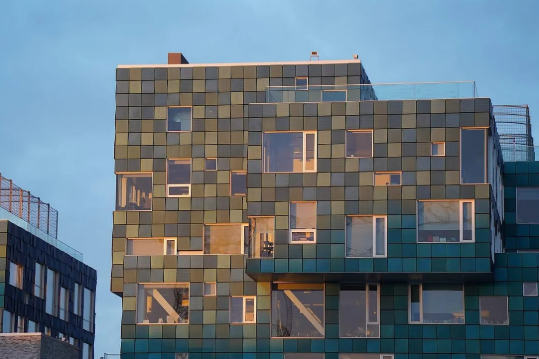
Modern buildings are expected to do more than provide functional interior spaces. Architects increasingly look for ways to improve energy performance while maintaining a clean and attractive exterior. Solar glass panels offer an innovative approach by allowing parts of a building envelope to contribute to renewable electricity generation without abandoning contemporary architectural design.
Instead of treating solar technology as a separate feature added after the building is designed, solar-integrated glass can become part of the architectural concept itself. This approach opens new possibilities for commercial, institutional, residential, and mixed-use developments where appearance and energy performance must work together.
What Makes Solar Glass Panels Different?
Traditional photovoltaic installations are commonly associated with rooftop arrays. While roofs remain useful locations for renewable energy systems, their available area can be limited, particularly on tall buildings with relatively small roof footprints.
Solar glass panels create opportunities to use vertical building surfaces for energy generation. Depending on the design and application, they can be incorporated into exterior walls and other facade areas.
This approach allows architects to consider energy generation during facade planning rather than searching for unused space after completing the exterior design.
See also: Power Transistors 101: Switching, Amplification, and Power Management
Turning the Building Envelope Into an Active Element
Conventional exterior materials primarily protect a structure from environmental conditions and establish its visual identity. Solar-integrated facade materials can add another function: producing electricity.
Expanding the Usable Surface Area
Large commercial and institutional buildings often have significantly more exterior wall area than rooftop area. Incorporating photovoltaic technology into suitable facade sections can therefore provide additional opportunities for renewable energy generation.
Orientation remains important. Solar exposure varies according to building location, surrounding structures, seasonal conditions, and facade direction. Careful analysis helps determine where photovoltaic surfaces can provide the greatest benefit.
Rather than covering every available exterior area, designers can strategically position solar glass where architectural and energy objectives align.
Design Freedom for Contemporary Architecture
One common misconception about photovoltaic technology is that it limits architectural creativity. Modern solar glass applications challenge that assumption by giving designers more flexibility in how energy-producing surfaces appear within the building envelope.
Different configurations can complement minimalist, industrial, institutional, or highly contemporary architecture.
Panel proportions, joint layouts, surrounding materials, and facade geometry all influence the final appearance. Designers can establish consistent patterns across large elevations or use solar elements selectively to emphasize specific areas.
This flexibility helps renewable technology feel intentional rather than added as an afterthought.
Supporting Building Energy Goals
Reducing dependence on conventional electricity sources has become an important objective for many construction projects. On-site renewable energy can contribute toward broader building-performance and sustainability strategies.
Solar glass panels convert available sunlight into electrical energy through photovoltaic technology. Actual electricity production depends on several variables, including orientation, solar exposure, geographic location, shading, system design, and environmental conditions.
Because every project is different, energy-generation expectations should be based on detailed project-specific analysis rather than general assumptions.
Those researching solar facade solutions should consider architectural requirements and expected energy performance together during early planning.
Solar Glass Panels in Building-Integrated Design
Integrating photovoltaic technology directly into architectural surfaces represents a significant shift in how designers approach renewable energy.
Combining Multiple Functions
An exterior panel traditionally performs a building-envelope role. When photovoltaic technology is incorporated into that surface, the same area may contribute to both architectural enclosure and electricity generation.
This multifunctional approach can be especially valuable where rooftop space is restricted or where designers want renewable energy features to become part of the building’s architectural language.
However, successful integration requires coordination between several disciplines. Architects, facade specialists, electrical professionals, structural engineers, and installers must consider how the complete assembly will function.
Important Factors During Project Planning
Solar-integrated facade design requires careful evaluation before installation begins. Solar orientation is one of the first considerations because different elevations receive different amounts of sunlight throughout the day and year.
Shading must also be studied. Nearby buildings, trees, architectural projections, and even sections of the same structure can reduce solar exposure.
Structural requirements matter as well. Panels and supporting systems must account for wind loads, building movement, attachment conditions, and other project-specific demands.
Electrical routing should be coordinated early so that wiring and related components can be incorporated without compromising the architectural intent.
Maintenance and Long-Term Performance
Like other exterior building materials, photovoltaic glass requires appropriate inspection and maintenance. Dirt, environmental deposits, and surrounding conditions can affect surface cleanliness and potentially influence energy performance.
Maintenance planning should consider accessibility from the beginning. Designers need to determine how facade areas will be inspected, cleaned, and serviced safely throughout the building’s lifespan.
Electrical components should also remain accessible for appropriate inspection. A well-planned system considers not only installation but also the practical requirements that emerge years after construction.
A New Direction for Building Facades
The role of the building envelope continues to evolve. Exterior walls are no longer viewed exclusively as protective barriers or decorative surfaces. Increasingly, they can contribute directly to broader performance objectives.
Solar glass panels represent this evolution by bringing renewable energy generation into areas of architecture that traditionally served only enclosure and aesthetic functions.
This approach can be particularly relevant for urban buildings where available roof space does not correspond to the overall size of the structure.
Conclusion
Solar glass panels demonstrate how renewable energy technology and architectural design can work together rather than compete for space. By transforming suitable exterior surfaces into electricity-generating elements, they provide architects with another way to address modern energy goals while preserving a cohesive building appearance.
Successful results depend on thoughtful planning, solar analysis, facade engineering, electrical coordination, structural design, and long-term maintenance considerations. When these elements are addressed together, solar glass can help turn a conventional building envelope into an active architectural surface designed for both visual impact and energy performance.