Traditional vs Modern Indian Bridal Jewelry: What Every Bride Should Know
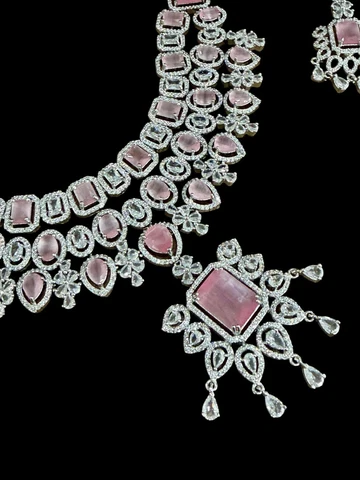
Brides today are choosing between very different directions when it comes to Indian bridal jewelry styles, and neither traditional nor modern is automatically the better choice. It depends on the outfit, the ceremony, and personal preference. This article compares both directions so the decision feels less like guesswork.
What Counts as Traditional
Traditional Indian bridal jewelry styles usually include temple jewelry with its detailed gold work, or meenakari jewelry, known for its enamel coloring on the reverse side of pieces. Both styles tend to follow set patterns passed down through generations rather than seasonal trends.
These pieces are often heavier and more layered, built for ceremonies where the bride is seated for long stretches rather than moving around constantly.
What Counts as Modern
Modern takes on Indian bridal jewelry styles tend to favor lighter gold jewelry with fewer layers, sometimes mixing in Western-influenced settings or simpler stone work. These pieces are usually chosen for receptions or smaller ceremonies where the bride wants a bit more freedom of movement.
Some modern bridal accessories also mix metals, pairing rose gold with traditional yellow gold, a combination rarely seen in older pieces but increasingly common among younger buyers.
Comparing Weight and Wearability
Traditional temple jewelry and meenakari jewelry can be noticeably heavier due to the layered gold work, which matters if the bride is wearing the set for many hours. Modern pieces trade some of that visual density for ease of wear, which some brides prioritize over a fully traditional look.
Choosing Based on the Ceremony
Many brides now split the decision by event, wearing heavier traditional Indian bridal jewelry styles for the main ceremony and switching to something lighter for the reception. This approach lets both traditional expectations and personal ease of wear be met without one canceling out the other.
For anyone comparing options across both directions, looking through Indian bridal jewelry collections from Jida Jewels that include both temple style and modern pieces makes the side-by-side comparison much easier than visiting separate stores for each category.
Budget Considerations
Temple jewelry and meenakari jewelry, given their detailed work, often carry a higher price point than simpler modern gold jewelry pieces. Renting the heavier traditional set for the ceremony while buying a lighter modern piece for regular wear afterward is a common way to manage cost without giving up either style.
Mixing Both Styles
It is increasingly common for brides to combine both directions, pairing a traditional necklace with more modern earrings, or the reverse. This mix-and-match approach avoids feeling locked into a single era of design and often produces a more personal result than following one style exclusively.
How Photography Trends Are Shaping Choices
Candid, movement-heavy wedding photography has made some brides lean toward lighter modern pieces that do not restrict natural movement during shots taken away from the formal stage setup. Traditional temple jewelry and meenakari jewelry still dominate the formal portrait sessions, where the bride is seated and detail matters most.
This split has led many brides to plan jewelry around the photography schedule itself, choosing heavier traditional pieces for scheduled portrait sessions and switching to lighter gold jewelry for the more informal parts of the day.
Talking to a Jeweler About Both Directions
A jeweler familiar with both temple jewelry and modern designs can often suggest pieces that borrow from each direction, rather than presenting them as two entirely separate categories. Asking specifically about combination pieces during a consultation can surface options not immediately visible on a standard display.
Bringing reference photos of both traditional and modern styles to this conversation helps a jeweler understand which specific elements matter most, rather than trying to describe a preference in words alone.
What Younger Brides Are Choosing
Younger brides increasingly ask for a lighter interpretation of temple jewelry, keeping the recognizable motifs but reducing the number of layers to something easier to wear across a full day. This shift has pushed several jewelers to offer scaled-down versions of traditionally heavier designs.
At the same time, meenakari jewelry has seen renewed interest partly because its color work photographs distinctly well, giving brides a traditional option that still feels current in modern wedding photography.
Where Regional Preferences Are Heading
Even within a single region, preferences between traditional and modern Indian bridal jewelry styles can vary from one family to the next, shaped by exposure to wider trends through social media and destination weddings. This has made it harder to generalize about what a typical bride in any one region actually chooses today.
Jewelers in larger cities report stocking a broader mix of both temple jewelry and modern gold jewelry pieces than they did a decade ago, largely in response to this shift in what brides are asking for during consultations.
See also: Key Considerations for Launching a Business in 2026
Advice from Stylists on Making the Choice
Bridal stylists who work across both traditional and modern weddings often suggest starting the decision with the venue and time of day rather than personal preference alone. An outdoor daytime ceremony tends to suit lighter modern pieces better under natural light, while an evening indoor function allows heavier temple jewelry to catch artificial lighting well.
This kind of practical, venue-based reasoning often resolves the traditional versus modern debate faster than weighing the two directions purely on appearance alone.
Questions to Ask During a Jewelry Consultation
Bringing a short list of questions to a jewelry consultation, covering metal purity, stone type, and expected wear over time, helps compare temple jewelry and modern gold jewelry options on equal footing rather than relying on a seller’s general pitch. This is especially useful for first-time bridal shoppers unfamiliar with typical pricing.
Asking directly whether a piece can be resized or adjusted after purchase also matters, since minor fit issues are common once a set is tried on with the actual wedding outfit closer to the date.
Final Thoughts
Deciding between traditional and modern Indian bridal jewelry styles does not need to be an either-or choice. Many brides find that a mix, guided by ceremony type, ease of wear, and budget, works better than committing fully to one direction. Taking time to compare temple jewelry, meenakari jewelry, and lighter modern gold jewelry side by side leads to a set that feels right for the specific wedding rather than a generic trend.