Settling Into a New City: How to Make a Rental Feel Like Home Fast
Moving to a new city is exciting, but the first few weeks in an unfamiliar apartment can feel isolating. The space does not feel like yours yet. The walls are bare, the layout is awkward, and everything, from the light switches to the water pressure, reminds you that you are starting over. Your belongings are in boxes. Your routines are disrupted. The city outside feels enormous and unknown.
The good news is that making a new space feel like home does not require a massive budget or months of effort. A few targeted changes can transform a generic rental into a place that feels comfortable, personal, and genuinely yours. The key is knowing which improvements have the highest emotional impact and focusing on those first.
If you are relocating to a city like Toronto, part of settling in is researching what local services and suppliers are available for when you are ready to invest in your space. Even before you unpack, browsing kitchen cabinet options in the city or bookmarking local contractors gives you a head start when the time comes to make upgrades. But before you think about renovation, here are the quick wins that make an immediate difference.
Start With Lighting
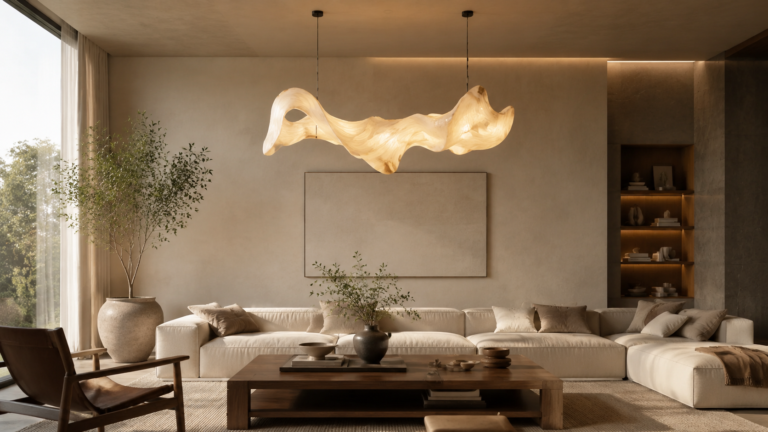
The single fastest way to change the mood of any room is lighting. Most rentals come with harsh overhead fluorescent fixtures or plain ceiling lights that cast flat, unflattering illumination. These lights make every room feel institutional rather than residential.
You cannot always replace built-in fixtures in a rental, but you can supplement them. Add a floor lamp with a warm-toned bulb in the living area. Place a small table lamp on your nightstand. Use string lights or LED strips along a bookshelf or behind a desk to create soft ambient light in corners that overhead fixtures leave in shadow.
Warm lighting, specifically bulbs in the 2700K to 3000K colour temperature range, makes a space feel smaller in a good way: more intimate, more personal, and more relaxing after a long day of navigating an unfamiliar city. Cool, bright lights are energizing but clinical. Warm lights make you want to sit down and stay.
Consider layering your lighting. Instead of one overhead source that illuminates the entire room uniformly, use multiple smaller sources at different heights. A floor lamp, a desk lamp, and a strand of fairy lights together create dimension and atmosphere that a single ceiling fixture cannot match.
Prioritize the Bedroom
Your bedroom is your anchor point. It is the first place you see each morning and the last place you occupy at night. Even if the rest of the apartment is still chaotic with unpacked boxes and temporary furniture arrangements, having one room that feels completely set up gives you a retreat from the newness of everything else.
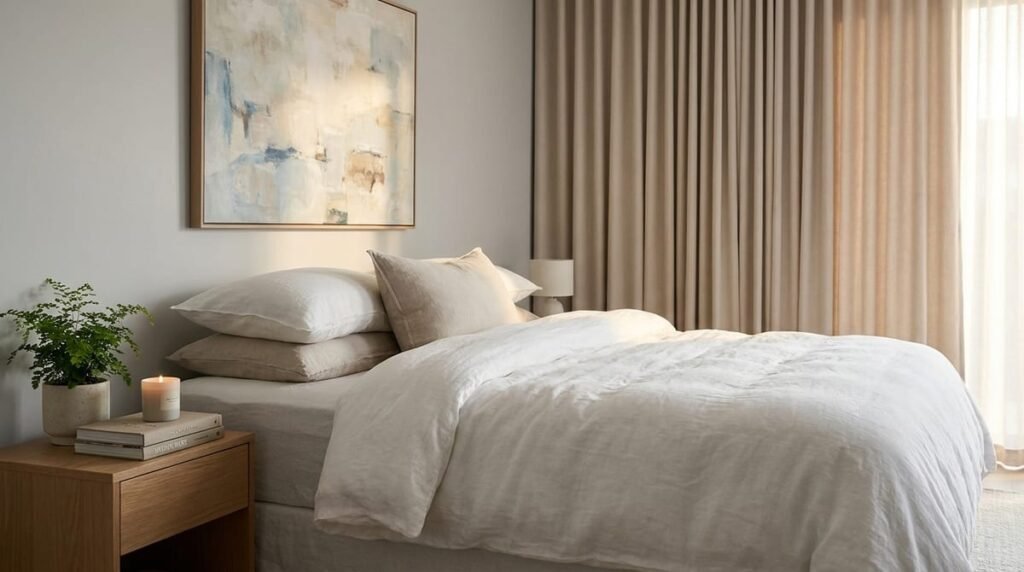
Invest in good bedding. This does not mean expensive, but it means something you genuinely enjoy sleeping in. A comfortable duvet, a pillow that supports your sleep position, and sheets that feel good against your skin make an immediate difference in how rested you feel each morning. Add blackout curtains if street light or early morning sun is a problem.
Hang one piece of art or a photograph you love. Unpack your personal items first: books, a candle, a small plant, a memento from home. These small touches signal to your brain that this is your space now. The bedroom should be the first room that feels finished, even if the living room remains a work in progress for weeks.
Create One Comfortable Seat
You need a spot in your apartment where you can sit and relax that is not your bed. This distinction matters more than you might think. When your bed serves as your couch, desk, reading chair, and eating area, it stops feeling like a place of rest. Your brain associates it with activity rather than sleep, which can disrupt your sleep quality.
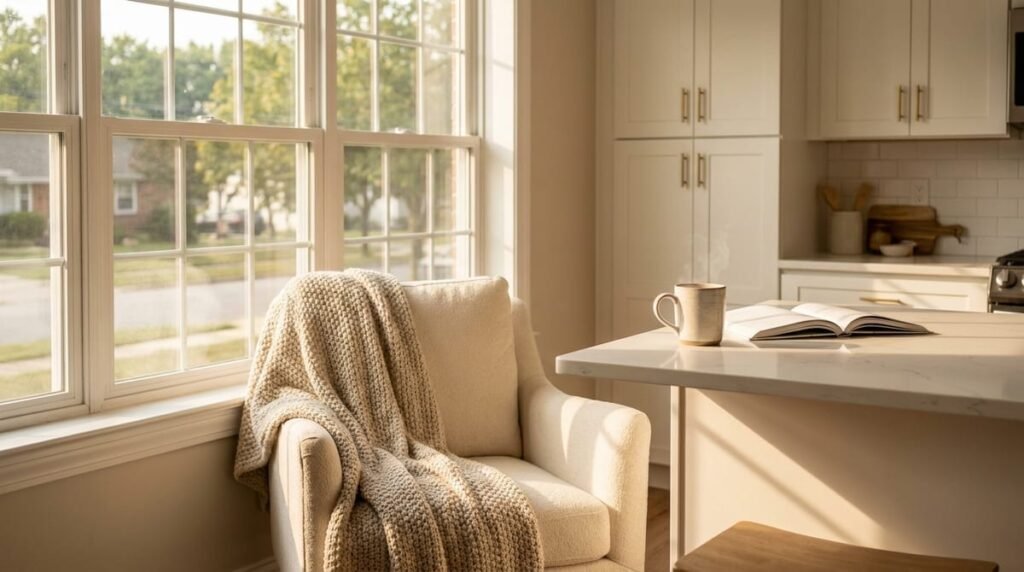
This comfortable seat could be a secondhand armchair from a thrift store, a floor cushion with a throw blanket arranged in a corner, or even a dining chair pulled next to a window with a view. The goal is to have a dedicated place for reading, drinking coffee, scrolling your phone, or just being still. This one spot will become your emotional centre in the apartment, the place you gravitate toward when you need to decompress.
Use Textiles to Add Warmth
Bare floors, empty walls, and hard surfaces make a space echo and feel cold, both acoustically and emotionally. Textiles solve this quickly and inexpensively. A rug in the living area absorbs sound, adds colour, and defines the seating zone. Throw pillows on the couch introduce pattern and personality. A blanket draped over a chair arm adds texture and the suggestion of comfort.
For renters who cannot paint walls, textiles are the most effective way to introduce personality into a neutral space. A colourful rug, a textured throw, and two or three cushions can completely change the emotional character of a room without touching a single wall.
Curtains are another underrated textile upgrade. Even if the rental came with blinds, adding curtains that extend from near the ceiling to the floor makes windows appear larger and the room feel taller and more intentional. Choose a colour that complements your existing belongings and creates visual warmth.
Establish Daily Routines Early
A new apartment starts feeling like home not just through physical changes but through the habits you build in it. Make coffee in the same spot each morning. Establish a place for your keys and wallet. Create a small routine around cooking or meal preparation, even if it is just assembling a salad or heating soup.
These routines anchor you in the space. They create familiarity through repetition. After two weeks of making breakfast at the same counter, that counter starts feeling like yours in a way that no decoration can replicate.
If possible, find a neighbourhood coffee shop or grocery store within walking distance and visit it regularly. The combination of a familiar apartment and a familiar neighbourhood routine is what turns a new city from overwhelming to comfortable.
Fix the Kitchen Last, but Do Not Ignore It
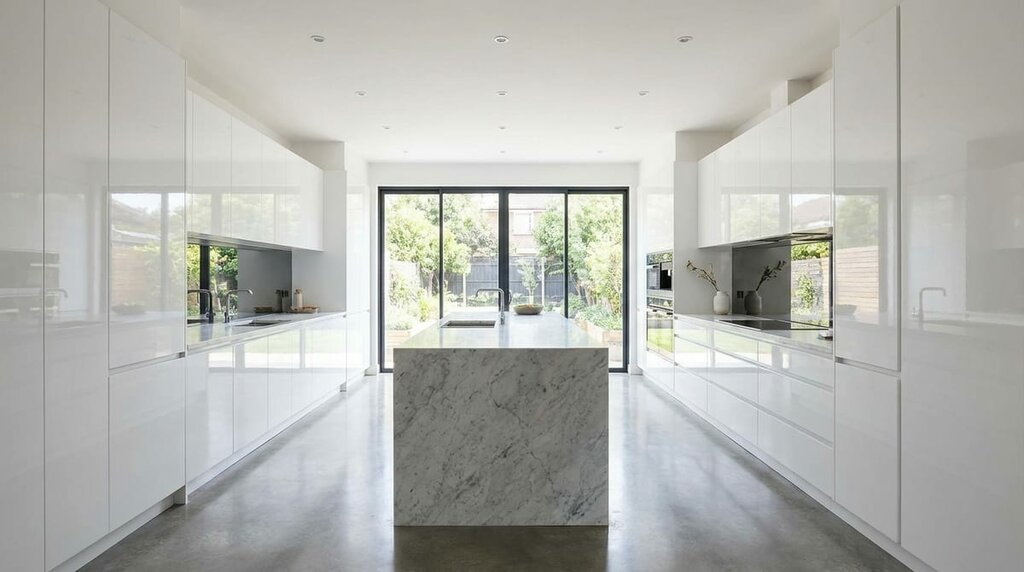
Most rental kitchens are functional but uninspiring. Worn-out cabinets with mismatched hardware, laminate countertops with stains and burns, limited storage, and poor lighting define the standard rental kitchen experience across most Canadian cities. While you cannot renovate a rental, you can make small improvements that meaningfully improve your daily experience.
Add shelf liners to prevent dishes from sliding and to cover stained surfaces. Install a magnetic knife strip on the wall to free up counter space. Use a tension rod under the sink for hanging spray bottles. Bring in a few matching containers to organize the pantry and make cooking ingredients visible and accessible. A small herb plant on the windowsill adds life and function simultaneously.
If you are buying rather than renting, or if you own a rental property and want to increase its appeal to tenants, a cabinet upgrade is one of the highest-impact investments you can make. Quality cabinets immediately modernize a kitchen and signal to prospective tenants that the property is well-maintained. Companies like Morsun Kitchen Cabinets in the Greater Toronto Area offer factory-direct pricing on custom cabinetry, which means landlords and homeowners can get quality plywood construction and soft-close hardware without the premium markup that typically comes with custom kitchen work. For property owners in the GTA, this is a practical path to increasing rental value without overinvesting.
Give It Time
No apartment feels like home on day one. The comfort builds gradually as you establish routines, discover your favourite coffee shop, learn which grocery store has the best produce, and fill the space with objects and memories that belong to your new chapter.
Be patient with the process, and focus on one improvement at a time. The apartment does not need to be perfect to feel like home. It just needs to feel like yours.