Why Your Garage Door Stops Working and What to Check First
A garage door that suddenly refuses to open or close can disrupt an otherwise ordinary day. Sometimes the cause is as simple as a dead remote battery, while other situations involve damaged springs, worn cables, or malfunctioning opener components. Regular garage door maintenance can help identify developing problems before they interrupt daily routines, but unexpected failures can still happen. Understanding the warning signs makes it easier to distinguish minor inconveniences from mechanical problems that require professional attention.
Start by Checking the Controls and Power Supply
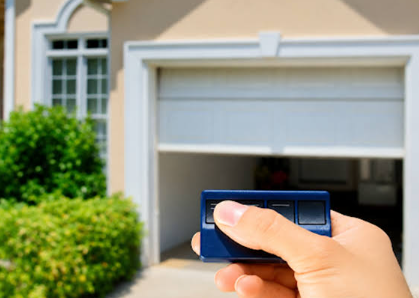
When a garage door stops responding entirely, the problem may have nothing to do with the door itself. Before assuming something has broken, try operating it with the wall-mounted control instead of the remote. If the wall button works normally, the remote may need new batteries or reprogramming.
Power interruptions can produce similar symptoms. Check whether the opener is plugged in and whether its circuit breaker has tripped. Some openers also have lock or vacation settings that temporarily disable remote operation. These basic checks can eliminate several possible causes without touching the door’s mechanical components.
If the opener receives power but still does nothing, an internal electrical fault or damaged control board may be responsible. Repeatedly pressing the button generally won’t resolve these problems and could make diagnosing an intermittent fault more difficult.
Why the Door Starts Closing but Suddenly Reverses
A garage door that begins closing and then immediately travels upward is often responding to its built-in safety system. Most modern automatic doors use photoelectric sensors near the bottom of the tracks to detect obstructions. When something interrupts the invisible beam between them, the opener prevents the door from closing normally.
Small objects, accumulated dust, spiderwebs, or poorly aligned sensors can trigger this behavior. Homeowners can safely remove visible obstructions and gently clean accessible sensor lenses with a soft cloth. However, persistent reversing may indicate an alignment problem, incorrect travel settings, or excessive resistance elsewhere in the system.
The timing of the reversal provides useful diagnostic information. A door that reverses immediately may have a sensor issue, while one that reaches the floor before reopening could have an incorrect closing limit. If the behavior continues, a repair appointment arranged through www.elpasogaragedoorepair.com/ can address both the immediate malfunction and its underlying cause. Describing exactly when the reversal occurs helps technicians determine which components require inspection.
When Springs and Cables Prevent Normal Movement
Garage doors are considerably heavier than they appear, and their springs do much of the work required to lift them. When a spring breaks, the opener may struggle to raise the door or fail to move it altogether. A sudden loud bang from the garage, followed by difficulty opening the door, can indicate spring failure.
Cables are equally important because they help support and guide the door during movement. A frayed, broken, or displaced cable may cause one side to rise unevenly, leaving the door tilted or stuck partway along its tracks. Damaged rollers and bent tracks can create similar symptoms by restricting movement.
These situations require caution. Springs and cables operate under substantial tension, making them dangerous to adjust without specialized tools and training. Attempting to force a crooked door closed or pulling its emergency release while the door is unstable can cause sudden, uncontrolled movement.
If the door becomes stuck halfway, keep children and pets away from the opening and avoid operating it again until the mechanical problem has been assessed.
What It Means When the Opener Runs but the Door Doesn’t Move
Hearing the opener motor operate while the garage door remains stationary can be particularly confusing. One possible explanation is that the emergency release mechanism has disconnected the door from the opener’s drive system. This feature allows manual operation during certain situations, but an accidental disconnection can prevent normal automatic movement.
Another possibility involves worn internal gears or damaged drive components. Over time, mechanical wear can prevent the opener from transferring power to the door. A broken spring may also leave the motor unable to lift the door despite appearing to operate normally.
Pay attention to unusual noises. Grinding, rattling, repeated clicking, or a motor that strains without moving the door can indicate different mechanical faults. These sounds are useful clues, but they are not reasons to keep testing the opener.
A technician can determine whether the failure involves the opener, its connection to the door, or the door’s counterbalance system. Correctly identifying the cause prevents unnecessary component replacement and helps avoid additional damage.
Small Preventive Habits That Reduce Unexpected Failures
Many garage door problems develop gradually rather than appearing without warning. Changes in operating speed, unusual vibration, and increasingly loud movement can indicate wear long before the door stops working.
Homeowners can perform simple visual inspections by checking accessible tracks for debris, examining weather seals, and watching whether the door moves smoothly during normal operation. Moving parts should be lubricated only as recommended by the manufacturer, since applying the wrong product or coating the tracks can create additional problems.
Periodic professional inspections are also useful, particularly for older doors or systems used several times daily. Technicians can evaluate spring condition, cable wear, door balance, opener performance, and safety features before minor deterioration becomes a major failure.
It’s also important to test the automatic reversal system according to the manufacturer’s instructions. If the door fails a safety test, it should remain out of automatic service until the problem has been corrected.
Knowing When to Stop Troubleshooting
Not every garage door malfunction requires extensive repairs, but knowing when to stop investigating is essential. Simple electrical checks and removal of visible sensor obstructions are generally reasonable first steps. Broken springs, loose cables, crooked panels, and doors stuck halfway require a different approach.
The safest solution is usually the one that addresses the actual source of the problem instead of temporarily restoring movement. Recognizing early symptoms, avoiding unnecessary force, and maintaining the system regularly can help keep a garage door dependable for years.