Why Do HVAC Contractors Check Blower Performance During Service Inspections?
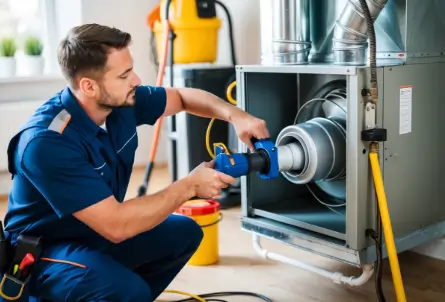
An HVAC system depends on more than just heating or cooling output. Even when the equipment turns on normally and appears to be running, comfort problems can still build if air is not moving through the system the way it should. That is why blower performance gets close attention during service inspections. The blower pushes conditioned air through the duct system and helps the equipment operate within the airflow range it was designed to handle. When blower performance declines, the results can show up as weak airflow, uneven temperatures, rising energy use, longer cycles, and strain on other components.
Why Air Movement Matters
The Blower Supports the Entire System
HVAC contractors check blower performance because the blower affects nearly every part of system operation. It is not simply a fan moving air from one place to another. It helps determine how effectively heated or cooled air moves across the indoor coil, through the heat exchanger, and into the home. If the blower is underperforming, the system may still run, but it will often struggle to deliver steady comfort. Rooms can feel uneven, airflow may weaken at supply vents, and the thermostat may take longer to reach the target temperature. Contractors understand that many comfort complaints begin with poor air movement rather than a major equipment failure. A blower that is dirty, out of balance, running at the wrong speed, or fighting high static pressure can quietly reduce overall system performance.
In some cases, homeowners assume the problem is with the air conditioner or furnace itself when the real issue lies in how the air is circulated. That is why blower checks are a routine part of thorough service work. Contractors know that when airflow is compromised, the entire system starts operating under less favorable conditions, even if the equipment still appears functional from the outside. Regular maintenance plans can prevent these subtle issues from compromising home comfort. Property owners can view our programs to choose a structured service option that keeps equipment operating smoothly all year long. Consistently monitoring components like the blower ensures optimal airflow, protects key components, and helps manage household energy costs by addressing wear early.
Small Blower Issues Can Cause Bigger Problems
Blower performance matters because small problems in this area can create larger issues across the system over time. A blower wheel coated with dust may move less air than expected. A weakening motor may still run but fail to maintain proper airflow under load. Improper speed settings can also create trouble by moving too little or too much air for the operating mode. In heating mode, reduced airflow can allow the system to run hotter than intended, which may trigger safety limits and interrupt normal operation. In cooling mode, poor airflow can affect heat transfer and humidity removal, making the home feel uncomfortable even while the unit keeps running. Contractors often include airflow and blower inspections during service visits because these conditions are easy to miss if no one looks beyond basic startup and shutdown functions. Homeowners often pay closer attention to airflow concerns after hearing companies associated with Essential Heating and Air explain how blower performance affects comfort, runtime, and efficiency throughout the home. A system can have a clean filter and a responsive thermostat and still struggle if the blower is not performing correctly. Checking this component helps contractors catch issues early, before they contribute to higher bills, inconsistent temperatures, or avoidable wear on other parts of the equipment.
Inspections Connect Airflow to Overall Performance
During a service inspection, contractors do not look at the blower in isolation. They evaluate how it performs within the larger airflow system. That includes checking for dirt buildup on the blower wheel, listening for unusual motor noise, reviewing speed settings, and comparing airflow conditions to the resistance created by the duct system. Static pressure readings can help reveal whether the blower is struggling against a blocked filter, undersized return, dirty coil, or restricted ductwork. If the blower is pushing against excessive resistance, it may not move enough air to support proper heating and cooling performance. Contractors also consider whether weak airflow in certain rooms points to balancing issues, damaged ducts, or return-side problems that place extra demand on the blower. This matters because many symptoms overlap. Long runtimes, hot and cold spots, noisy vents, and repeated cycling can all appear to be equipment problems when airflow is the deeper issue. By checking blower performance during inspections, contractors gain a clearer understanding of whether the system is delivering air effectively or simply running harder to compensate for hidden restrictions. That helps them recommend repairs based on actual system behavior instead of guesswork.
See also: Seasonal Home Maintenance Tips That Help Prevent Bigger Repairs
Why Blower Checks Prevent Future Trouble
Blower performance directly affects comfort, efficiency, and the overall performance of the rest of the HVAC system over time. That is why contractors include it in service inspections instead of waiting for a more obvious breakdown. A blower that is not moving air properly can reduce comfort across the home, increase energy use, and place added strain on heating and cooling components that depend on steady airflow to operate correctly. By checking the blower during routine service, contractors can identify hidden issues early and connect airflow problems to the larger performance picture. What seems like a simple inspection step often helps prevent much larger system trouble later.
Regular preventative care remains one of the most reliable ways to maintain consistent indoor comfort throughout changing seasons. When checking options for an experienced hvac near me, prioritizing detailed inspections helps ensure that minor performance flags are corrected before they cause system breakdowns. Regular checkups protect major parts from avoidable stress and keep household energy performance stable over time.