What Patients Actually Want From Dental Clinic Design in 2026
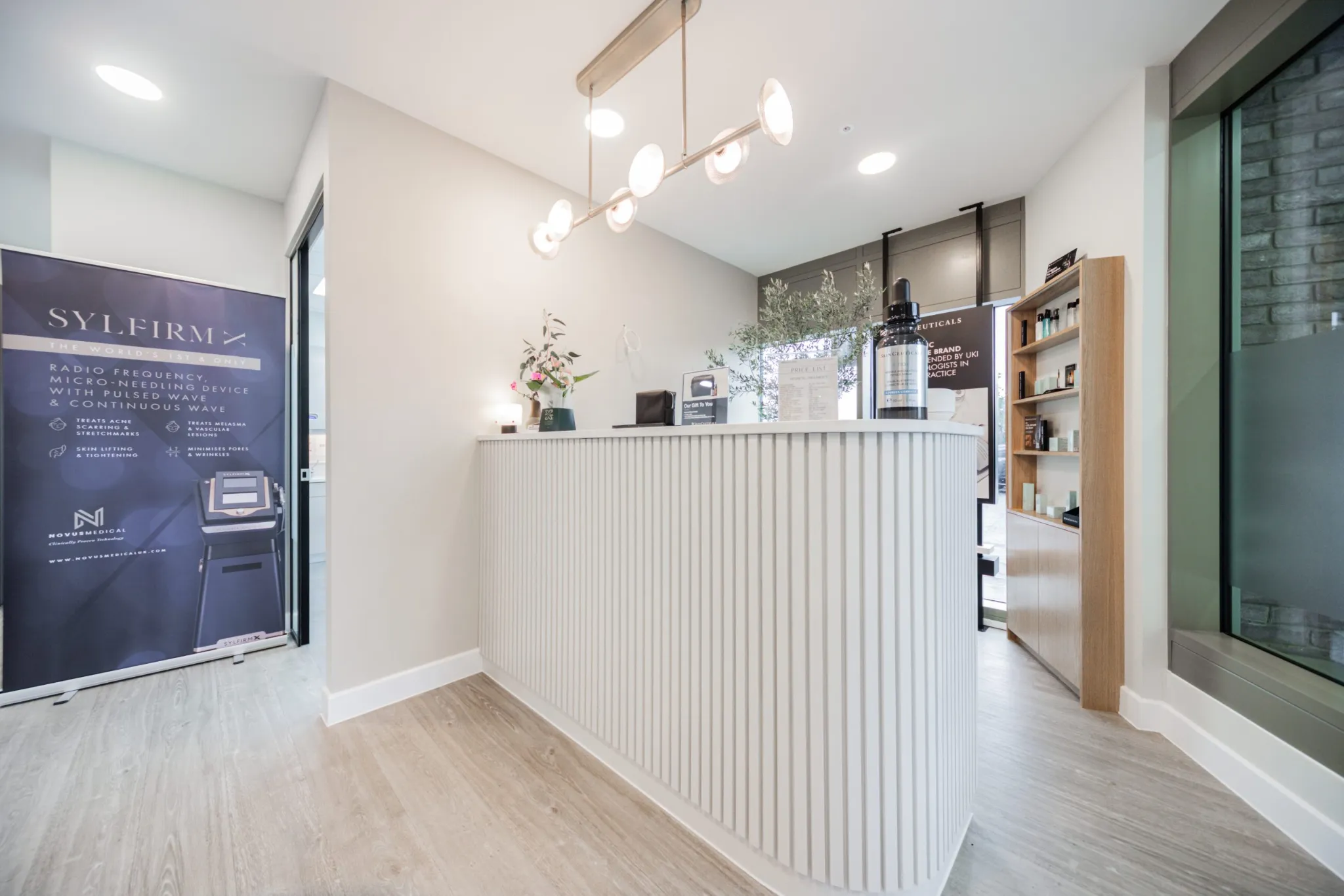
A dental practice can have the most skilled clinicians, the most advanced equipment, and the most competitive pricing in its area, and still lose patients to a competitor whose environment simply feels better to be in. The physical space of a dental clinic communicates things to a patient before a single word is spoken. It signals professionalism, care, and attention to detail, or it signals the opposite. In 2026, patients are more attuned to this than ever, and the practices that are thriving are the ones that understand what their space is communicating and design it deliberately.
Why the Clinical Environment Has Become a Competitive Factor
Patient expectations have been shaped by their experience of other healthcare and hospitality environments. Hotels, private GP practices, optical chains, and cosmetic clinics have raised the standard of what a thoughtfully designed health environment looks and feels like. Dental practices are now being evaluated against that broader benchmark, whether the comparison is made consciously or not.
The result is that clinical design has moved from an operational consideration, how do we fit the equipment in, to a strategic one, what does this space communicate to a patient who is already anxious, already making a judgement, and already deciding whether they trust us.
What Patients Notice First, and What It Costs When They Notice It Negatively
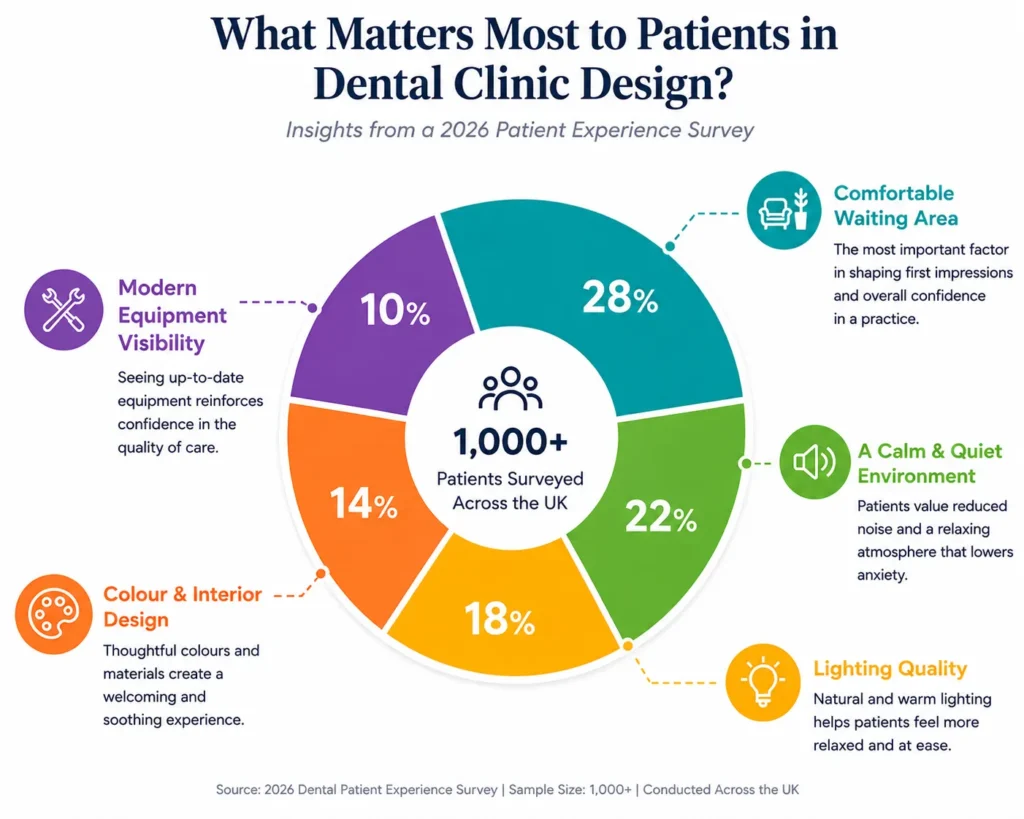
Patients start forming opinions before treatment begins, and the environment plays a bigger role than most practices realise.
The Arrival Experience
Everything that comes next is shaped by the reception area. Patients form an impression within seconds of entering, of cleanliness, of organisation, of the quality of the practice overall. A reception that feels dated, cluttered, or poorly maintained does not simply look uninviting. By implying that the same standards are applied throughout the practice, it deliberately raises patient worry.
- Lighting quality: bright fluorescent lighting has a negative connotation of being clinical and institutional
- Seating: worn or mismatched furniture communicates neglect rather than care
- Noise: audible sounds from clinical areas in the waiting space elevate anxiety significantly
- Scent: chemical or clinical odours are among the most powerful triggers of dental anxiety
The Treatment Room
Patients who manage their anxiety well in reception can still be derailed by a treatment room that feels intimidating or poorly organised. The specific elements that matter most:
- Equipment visibility: instruments and tools in direct sightlines increase anxiety
- Ceiling design: patients spend significant time looking upward, a bare or harsh ceiling is a missed opportunity
- Color: too sterile white settings devoid of warmth cues cause anxiety; thoughtful color use has quantifiable relaxing effects
- Personalisation: small design details that signal care and craft reduce the institutional feel that patients associate with discomfort
The Balance Patients Are Actually Looking For
The most common misapplication of dental clinic design principles is the assumption that patients want to feel they are not in a clinical environment. They do not. Patients want to feel safe, which requires clinical credibility, the sense that the practice is professional, equipped, and competent. What they do not want is for clinical competence to come at the cost of human warmth.
| What patients want to feel | What design delivers it |
| Safe and professionally cared for | Clean lines, organised surfaces, visible quality equipment |
| Calm rather than anxious | Warm lighting, considered colour palette, acoustic management |
| Respected as an individual | Personal touches, quality materials, thoughtful spatial design |
| Confident in the practice’s standards | Consistent finish throughout, no visible wear or neglect |
The practices getting this balance right are not minimising the clinical elements of the space. They are humanising them, ensuring that evidence of professional capability exists alongside evidence of genuine care for the patient experience.
The Experience Between Rooms Matters More Than Most Practices Realise
Patients do not experience a dental clinic as a series of individual rooms. They experience it as a sequence.
The transition from entrance to reception, reception to consultation, and consultation to treatment influences how comfortable and confident patients feel throughout the visit. A beautifully designed treatment room cannot fully compensate for confusing circulation, narrow corridors, inconsistent finishes, or abrupt changes in atmosphere.
Patients respond positively when the experience feels intentional.
Elements that shape this continuity include:
- Clear wayfinding that reduces uncertainty and awkward navigation
- Consistent materials and finishes that create a sense of quality throughout the clinic
- Gradual lighting transitions between public and clinical spaces
- Visual privacy that avoids patients feeling exposed while moving through the practice
- Spatial layouts that reduce congestion and waiting friction
These details rarely attract direct compliments, but patients notice their absence immediately. The strongest dental clinic environments are designed as complete patient journeys rather than collections of separate rooms.
Design Elements That Deliver Measurable Impact
To translate the strategic goals of dental clinic design into a tangible patient experience, specific environmental factors must be meticulously managed.
Acoustic Design
Sound is underestimated in dental clinic design. Every patient in the waiting area feels more anxious when they can hear the noises of the procedure. Acoustic panelling, appropriate door specifications, and considered room layouts that separate clinical sounds from patient-facing spaces deliver a calming effect that no amount of attractive furniture can compensate for if absent.
Lighting Strategy
In a clinical situation, lighting is more useful than in nearly any other. Task lighting for clinical areas needs to be precise and consistent. Warmer, less directed light that lowers the institutional character of the space is advantageous for patient-facing spaces. The transition between the two, from reception through corridor to treatment room, should be managed deliberately rather than left to whatever fittings are available.
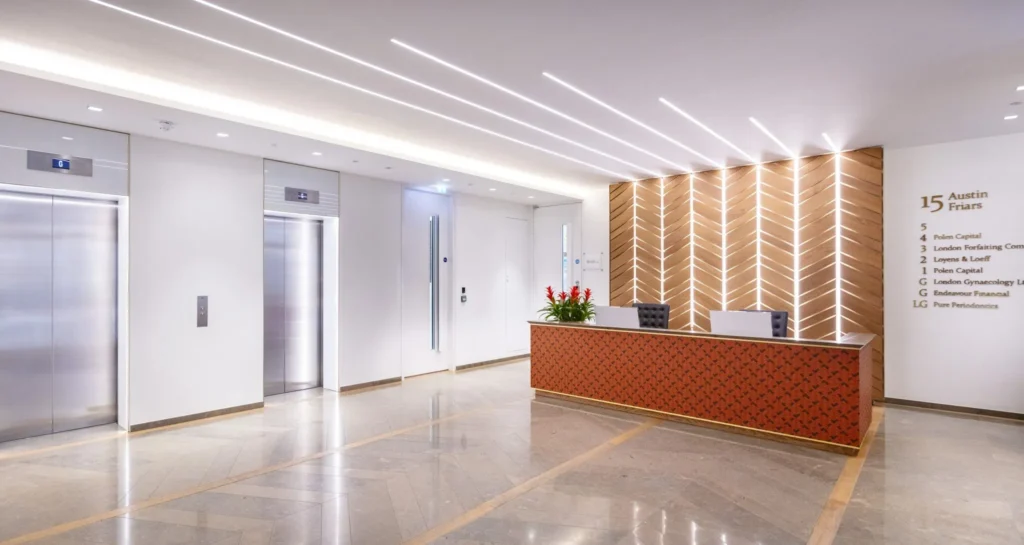
Material Quality and Consistency
The finish of surfaces across the practice communicates the standard of the practice. Inconsistencies, a premium reception surface followed by standard corridor finishes, or quality treatment room cabinetry alongside worn flooring, register as corners being cut. Patients draw conclusions from these details, even unconsciously.
The Practices Investing in Design Are Seeing the Returns
Patient retention, word-of-mouth referrals, and online review sentiment are increasingly shaped by the physical environment patients experience. Investment in a clinic’s design is no longer purely aesthetic, it is an investment in trust, comfort, and long-term patient relationships. The environment communicates before any treatment begins. In 2026, leading practices are intentionally shaping that experience. Divo Interiors creates dental clinic environments that combine clinical functionality with spaces that communicate confidence, calm, and care.
Author Bio: UV Jadeja
UV Jadeja, the head honcho at Divo Interiors Ltd in London, has spent a significant number of years in the commercial fit-out and refurbishment industry, specialising in dental practices. Under his leadership, the company has designed and renovated clinics of some of the most well-known dental practices in the country. He often shares his insights & extensive industry knowledge with the general public through engaging blog posts.