What Is the Difference Between Water Shoes and Reef Shoes?
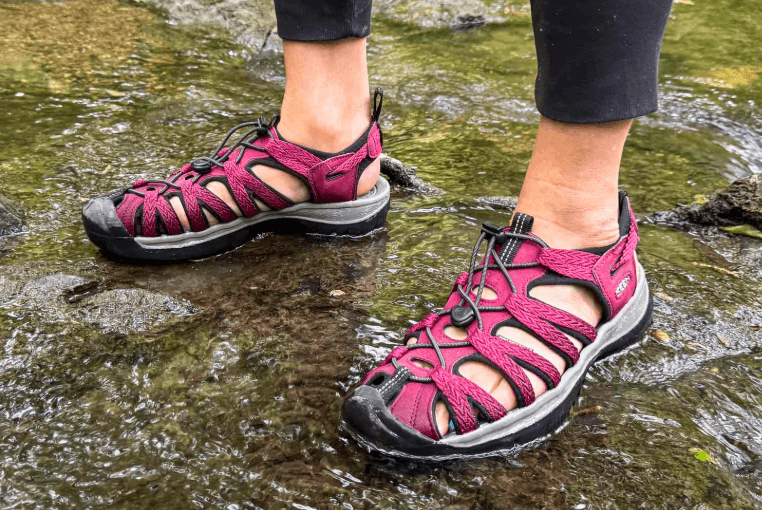
Water shoes and reef shoes both do their best work in wet environments, but they are built for different jobs. Reef shoes prioritise protecting your feet from sharp coral, rocks and hot sand, while water shoes focus on drainage, grip and all round versatility. If you have ever stood in a shop wondering which pair suits your next beach trip or snorkelling session, this guide breaks down the differences so you can choose with confidence.
What are water shoes?
Water shoes are lightweight, quick draining shoes made for a wide range of wet and watery activities. Think beach walks, kayaking, boating, water parks and general messing about near the water. They typically feature breathable mesh uppers, flexible soles and a design that lets water flow straight out so your feet do not stay soggy. Their biggest strength is versatility. A good pair handles most casual water activities comfortably and often looks tidy enough to wear on the walk to and from the water too.
What are reef shoes?
Reef shoes are built with one main job in mind, protecting your feet from the hazards underfoot. That means sharp coral, jagged rocks, broken shells and scorching sand. They tend to have a tougher, more protective sole to guard against cuts and punctures, along with a snug fit designed to stay firmly on your feet in surf and on uneven ground. Where water shoes lean towards comfort and flexibility, reef shoes lean towards durability and defence in rough, rocky conditions.
The key differences between water shoes and reef shoes
The clearest way to understand the two is to compare them across the features that actually matter in the water. Their purpose sits at the heart of it. Water shoes are versatile all rounders, while reef shoes are protection specialists for rocky and coral environments. The soles reflect this. Reef shoes use thicker, tougher soles for puncture protection, whereas water shoes use lighter, more flexible soles that prioritise comfort and feel. Fit differs too. Reef shoes are cut snug and secure to handle surf and uneven ground, while many water shoes offer a more relaxed, everyday fit. Drainage is another point of difference, with water shoes designed to drain quickly and dry fast, and reef shoes placing more emphasis on the barrier between your foot and the ground. Grip varies by surface as well, so it is worth thinking about whether you will be on wet rock, sand or smooth boat decks. Finally, style plays a part, as water shoes are often wearable off the water while reef shoes stay more specialised.
Water shoes vs reef shoes: a quick comparison
If you want the short version, here it is. Water shoes win on versatility, drainage, comfort and everyday wearability, making them the flexible pick for general water activities. Reef shoes win on protection, sole toughness and secure fit, making them the safer pick when the ground underfoot is sharp or rocky. Water shoes suit a bit of everything, while reef shoes suit specific, hazardous conditions. Choosing between them comes down to where you will be and what your feet need to be protected from.
Which one should you choose?
The right choice depends entirely on how you plan to use them. Choose water shoes if your days involve beach trips, water parks, boating, general water activities or you simply want one versatile pair for wet weather and casual use. Choose reef shoes if you are heading for rocky shorelines, coral reefs, snorkelling spots or rock pools, or anywhere the hazards underfoot are your main concern. If protection is the priority, reef shoes are the safer bet. If flexibility and comfort matter more, water shoes are hard to beat.
See also: The Impact of Artificial Intelligence on Everyday Life
Can you use one for the other?
In many casual situations, the two are interchangeable. A decent pair of water shoes will handle the occasional rocky patch, and reef shoes will happily come along for a general beach day. The difference really matters when conditions get demanding. If you are regularly walking across sharp coral or rocky reefs, reef shoes give you protection that lightweight water shoes may not. If you mostly want comfort, drainage and something wearable, water shoes are the better all rounder. Matching the shoe to your most common activity saves you from over or under buying.
Tips for buying and fitting
A few practical pointers go a long way. Aim for a snug but comfortable fit, since shoes that are too loose can rub or slip off in the water. Pay attention to sole thickness, choosing thicker soles for rocky terrain and thinner, more flexible ones for comfort and feel. Look for good drainage if you want quick drying, and check the grip pattern suits the surfaces you will actually be on. Durability matters too, especially if you will use them often, so it is worth investing in a quality pair that will last more than a single summer.
Final Word
The difference between water shoes and reef shoes comes down to purpose. Water shoes are your versatile, comfortable, quick draining all rounder, while reef shoes are your tougher, more protective specialist for rocky and coral conditions. Think about where you will be, what your feet need protecting from, and how often you will wear them. Get that right and you will end up with a pair that keeps you comfortable and safe every time you hit the water.