Understanding Hollow Bar Systems in Modern Ground Engineering
Ground engineering plays an important role in the construction of buildings, transportation infrastructure, retaining structures, tunnels, and other projects that depend on stable soil and rock. Before construction can proceed safely, engineers must understand the conditions beneath the surface and choose suitable methods to manage weak ground, prevent movement, and support structural loads. One technology used in appropriate ground conditions is the hollow bar anchoring system.
Hollow bar systems combine a central steel bar with a hollow interior that can allow drilling fluids or grout to pass through during installation. Depending on the design, the same bar can serve as part of the drilling assembly and remain in place as reinforcement. This approach can simplify certain installation processes, particularly where conventional drilling equipment or separate casing operations would be difficult to manage.
Why Ground Conditions Matter
Not every construction site offers firm, predictable ground. Some locations contain loose fill, fractured rock, weathered soil, or layers with different strengths. Groundwater can also influence drilling conditions and the performance of a foundation or retaining structure.
Engineers therefore begin by examining the site through geotechnical investigations. Soil samples, borehole records, groundwater observations, and laboratory testing help establish what the ground can support. The results guide decisions about foundation depth, reinforcement, anchoring, and construction methods.
A solution that performs well in dense rock may not be appropriate for loose or water-bearing soil. The design must account for the site’s actual conditions rather than relying on a standard detail for every project.
What Is a Hollow Bar Anchor?
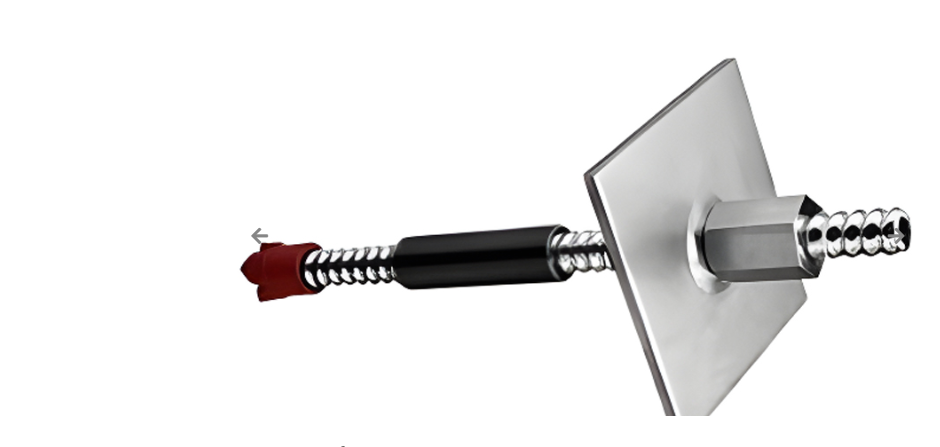
A hollow bar anchor is a steel reinforcement component with a longitudinal opening through its center. This opening provides a route for grout or other specified installation materials to travel through the bar. Depending on the system, a drill bit can be attached to the leading end, allowing the assembly to advance into the ground.
Some systems use self-drilling technology, in which the bar, drill bit, and drilling equipment work together during installation. Once the required depth and installation conditions have been reached, grout is introduced according to the manufacturer’s procedure. After curing, the resulting ground-reinforcement element can transfer loads between the surrounding ground and the structure it supports.
An IBO hollow bar is one option contractors and engineers may evaluate when selecting a suitable self-drilling anchoring solution. Product specifications, steel grade, dimensions, corrosion protection, and installation instructions should always be reviewed before a system is selected.
How Self-Drilling Installation Works
The exact installation sequence depends on the manufacturer and project design, but the process generally follows several stages.
1. Review the Site Investigation
Before drilling begins, the construction team reviews geotechnical information, drawings, underground utility locations, and the specified anchor layout. The engineer determines the required depth, inclination, spacing, and design performance.
2. Prepare the Drilling Equipment
The crew checks the drilling rig, connections, drill bit, and bar components. The equipment must be compatible with the selected system and suitable for the access available at the site.
3. Drill to the Specified Position
The assembly advances through the ground under controlled operating conditions. Depending on the design, drilling fluid may help clear cuttings and maintain the drilling process. The operator monitors progress and records changes in ground conditions.
4. Introduce Grout
Grout is delivered through the hollow bar in accordance with the approved installation procedure. Correct material selection, mixing, flow, and placement are important because grout contributes to the bond between the reinforcement and surrounding ground.
5. Complete and Inspect the Installation
After installation, the crew records the relevant details, including depth, grout quantities, installation observations, and any deviations from the planned procedure. Where required, verification testing confirms whether the installed anchors meet the specified performance criteria.
Common Applications in Construction
Hollow bar systems may be considered for several types of ground-engineering work, subject to engineering approval.
Slope stabilization: Reinforcement can help improve the stability of certain soil or weathered-rock slopes. The overall design may also require drainage, surface protection, and measures to manage erosion.
Retaining structures: Anchoring systems can form part of a retaining-wall or excavation-support design. The engineer must account for earth pressure, groundwater, nearby structures, and the loads expected during construction.
Foundation improvement: In suitable conditions, ground-reinforcement elements can contribute to foundation support or the improvement of weak ground. Their use depends on the load requirements and the geotechnical design.
Tunneling and underground construction: Certain hollow bar systems are used for temporary or permanent reinforcement around excavations. Installation requirements vary with the geology, excavation method, and project specifications.
These applications are not interchangeable. An anchor designed for one ground condition should not automatically be used in another without checking its suitability.
See Also: Why flight prices change when you search from abroad
Important Factors When Selecting a System
Material strength is only one consideration when evaluating an anchoring product. Engineers should also review the bar’s dimensions, connection details, corrosion resistance, drilling method, grout requirements, and compatibility with the intended installation equipment.
Corrosion protection deserves particular attention in aggressive environments. Moisture, chlorides, groundwater chemistry, and exposure conditions may influence the required material and protective measures. Stainless steel may be appropriate for some applications, but the grade and complete system still need to be assessed against the environment.
Installation access also affects product selection. A compact drilling arrangement may be advantageous in restricted spaces, while larger projects may require equipment capable of reaching substantial depths or handling demanding ground conditions.
Finally, suppliers should provide technical documentation that allows the project team to verify dimensions, mechanical properties, connection compatibility, and installation requirements.
Quality Control and Safety
Successful ground reinforcement depends on both sound design and careful execution. Crews should follow the approved method statement, use appropriate personal protective equipment, and ensure that drilling equipment is inspected and operated by trained personnel.
Quality records should identify each installation and document relevant observations. If drilling encounters unexpected voids, obstructions, groundwater, or significant changes in ground conditions, the team should follow the project’s reporting and review procedures rather than making undocumented adjustments.
Where specified, proof testing and acceptance criteria provide additional evidence that the anchoring system is performing as intended. The responsible engineer determines the testing requirements and how results should be interpreted.
Conclusion
Hollow bar anchoring technology offers a practical option for selected ground-engineering applications where drilling and reinforcement need to be coordinated efficiently. Its suitability depends on the site investigation, engineering design, product specifications, installation procedure, and quality-control process.
By evaluating ground conditions carefully and following manufacturer guidance, construction teams can make better-informed decisions about reinforcement systems. The objective is not simply to install an anchor quickly, but to create a reliable solution that meets the project’s structural and geotechnical requirements over its intended service life.