Mitsubishi Heat Pump – Understanding Efficient Heating and Cooling Technology
Homeowners increasingly want indoor comfort systems that perform effectively across changing seasons. In regions with warm summers and freezing winters, maintaining consistent temperatures requires equipment capable of responding to very different outdoor conditions.
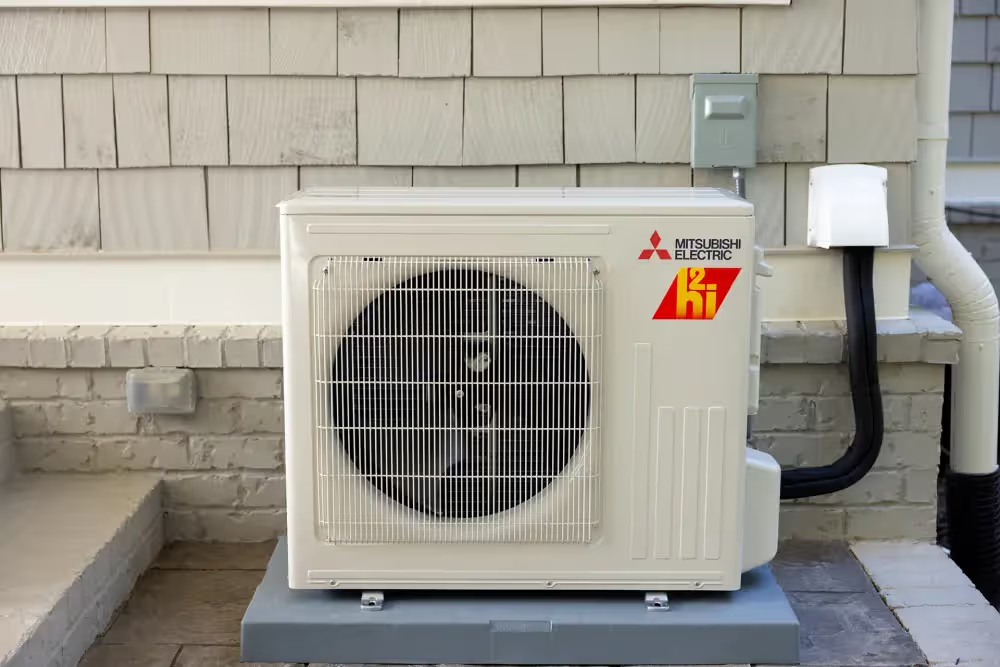
A mitsubishi heat pump is one option homeowners may encounter while researching modern heating and cooling technology. Understanding how heat pumps operate, what influences their efficiency, and how they perform in cold weather can support informed decisions.
How Heat Pump Technology Works
Unlike conventional combustion-based heating equipment, a heat pump transfers thermal energy between indoor and outdoor environments.
During winter, it extracts available heat from outdoor air and moves that energy indoors.
During summer, the process reverses, allowing the equipment to remove heat from indoor spaces.
Heating During Cold Weather
Even cold outdoor air contains thermal energy.
A heat pump uses refrigerant, a compressor, and heat-exchange components to collect and transfer that energy.
However, heating capacity and efficiency vary according to outdoor temperature, equipment design, and operating conditions.
Cooling During Summer
In cooling mode, the system absorbs heat from indoor air and releases it outdoors.
This process helps reduce indoor temperature while also removing some moisture from the air.
Proper sizing and airflow are essential for effective temperature and humidity control.
Why Homeowners Consider Heat Pumps
Modern heat pump technology offers several characteristics that make it attractive for residential applications.
Heating and Cooling in One System
A heat pump can provide both heating and cooling without requiring separate primary systems for each season.
This can simplify temperature control and reduce the number of independent components homeowners must manage.
Potential Energy Efficiency
Heat pumps move heat rather than generating all their heating energy through electrical resistance.
Under suitable operating conditions, this process can deliver more thermal energy than the electrical energy consumed.
Actual performance depends on climate, equipment selection, installation quality, and household heating requirements.
Flexible Indoor Comfort
Some configurations allow temperature control across individual rooms or zones.
Zoning can be particularly useful in homes where different areas experience different heating and cooling demands.
Important Factors Before Installation
Choosing a mitsubishi heat pump involves more than comparing general equipment descriptions.
Home Insulation and Air Leakage
Insulation quality influences how much heating and cooling a home requires.
Poorly insulated walls, windows, and attic spaces can increase thermal losses during winter and heat gains during summer.
Improving the building envelope may help the selected equipment maintain indoor comfort more effectively.
Correct Equipment Sizing
Oversized equipment may cycle inefficiently, while undersized equipment can struggle during extreme temperatures.
A professional heating and cooling load calculation helps determine appropriate capacity.
Equipment selection should reflect the home’s actual requirements rather than floor area alone.
Cold-Climate Performance
Homeowners in colder regions should examine heating capacity at low outdoor temperatures.
A heat pump’s rated efficiency does not necessarily describe its performance during extreme winter conditions.
Cold-climate suitability, defrost operation, and any supplementary heating requirements deserve careful consideration.
Maintaining Reliable Heat Pump Operation
Routine care supports efficient heating and cooling.
Keep Filters and Coils Clean
Dust accumulation can restrict airflow and interfere with heat transfer.
Filters should be checked according to manufacturer guidance, while technical coil cleaning may require professional attention.
Maintain Outdoor Airflow
Snow, leaves, and other obstructions can interfere with outdoor-unit operation.
Keep appropriate clearances around the equipment and ensure that drainage pathways remain unobstructed.
Arrange Periodic Inspections
Professional evaluations can identify refrigerant-related concerns, electrical faults, drainage problems, and declining system performance.
Homeowners researching local heat pump guidance can seek advice about climate suitability and ongoing maintenance.
Conclusion
A mitsubishi heat pump represents an approach to residential comfort based on transferring heat rather than relying exclusively on conventional heat generation.
Understanding operating principles, cold-weather performance, sizing requirements, and maintenance responsibilities helps homeowners evaluate whether this technology suits their needs.
Careful planning and proper installation remain essential for achieving dependable year-round heating and cooling.