Mining in Michigan: Exploring the State’s Geological Heritage and Future
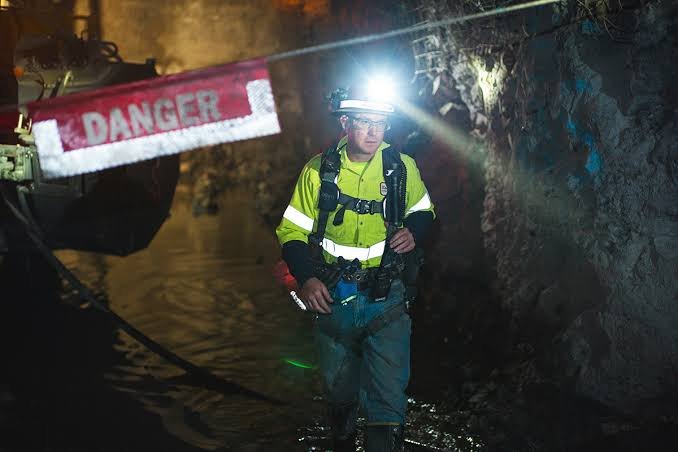
Michigan has a remarkable geological history shaped by ancient volcanic activity, sedimentary formations, and extensive mineral deposits. These natural characteristics helped establish the state as an important center of American mineral development.
Today, Mining in Michigan represents both a connection to the state’s industrial past and an ongoing discussion about responsible resource management.
Understanding this history offers valuable insight into the relationship between geology, communities, and economic development.
The Geological Foundations of Michigan Mining
Michigan’s mineral resources developed through geological processes spanning millions of years.
The Upper Peninsula contains rock formations associated with copper, iron, and other minerals. These deposits formed under different environmental and geological conditions.
Ancient lava flows, mineral-bearing fluids, and sedimentary layers contributed to the region’s complex underground structures.
Why the Upper Peninsula Matters
The Upper Peninsula has long attracted geological interest because of its mineral-rich formations.
Some areas contain native copper, while others feature copper-bearing minerals within sedimentary rock.
These geological differences influence exploration techniques, extraction methods, and mineral processing requirements.
Mining in Michigan therefore involves understanding the specific characteristics of individual deposits rather than applying one approach everywhere.
A History Built Around Mineral Resources
Michigan’s mining heritage stretches back thousands of years.
Indigenous peoples extracted and worked native copper long before industrial mining began. Copper artifacts demonstrate sophisticated knowledge of the material and its practical uses.
During the nineteenth century, commercial extraction expanded significantly.
Mining settlements developed around mineral deposits, attracting workers and supporting transportation networks, housing, and other infrastructure.
The Influence on Regional Communities
Mining shaped the identity of numerous Upper Peninsula communities.
Families built livelihoods around extraction activities, while local businesses supported workers and industrial operations.
Over time, changing mineral availability, operating conditions, and economic circumstances transformed many mining communities.
Historic structures, museums, and preserved landscapes continue to reflect this industrial heritage.
Modern Approaches to Mining in Michigan
Contemporary mineral development differs substantially from historical extraction practices.
Modern operations rely on geological modeling, advanced engineering, environmental assessments, and regulatory oversight.
Before development proceeds, specialists examine geological conditions, potential environmental impacts, and operational requirements.
Geological Exploration
Exploration teams collect rock samples, analyze mineral concentrations, and investigate underground formations.
Geophysical surveys and drilling help identify areas that may contain recoverable mineral resources.
These investigations provide essential information for evaluating whether further development is appropriate.
Environmental Evaluation
Mining in Michigan requires careful consideration of regional ecosystems.
The state contains extensive forests, wetlands, lakes, and waterways that support wildlife and local communities.
Environmental assessments examine potential effects on water quality, land stability, vegetation, and surrounding habitats.
Monitoring and mitigation plans are important components of responsible operations.
Balancing Economic Opportunities and Environmental Protection
Mineral development can support employment, technical training, and regional economic activity.
Potential opportunities include geology, engineering, equipment maintenance, environmental science, and transportation.
However, proposed projects can also raise concerns about water resources, habitat disturbance, and long-term land management.
These concerns deserve careful scientific evaluation and meaningful public discussion.
The Role of Community Participation
Community engagement helps ensure that local perspectives contribute to project decisions.
Residents may seek information about environmental monitoring, employment opportunities, transportation, and mine closure plans.
Clear communication allows communities to better understand proposed activities and their potential consequences.
Looking Toward Michigan’s Mining Future
The future of Mining in Michigan will depend on geological resources, regulatory decisions, environmental performance, and economic conditions.
Advances in geological analysis and environmental monitoring may improve the ability to evaluate mineral deposits and manage associated risks.
Nevertheless, technology alone cannot replace responsible planning and public accountability.
Conclusion
Mining in Michigan reflects a long relationship between natural resources, industrial development, and regional communities.
From ancient copper extraction to contemporary geological exploration, the state’s mineral history continues to influence discussions about resource development.
Its future will depend on balancing mineral needs with environmental protection, community interests, and long-term land stewardship.