Keeping Your Tobacco Cutting Machine Running: Maintenance and Care Guide
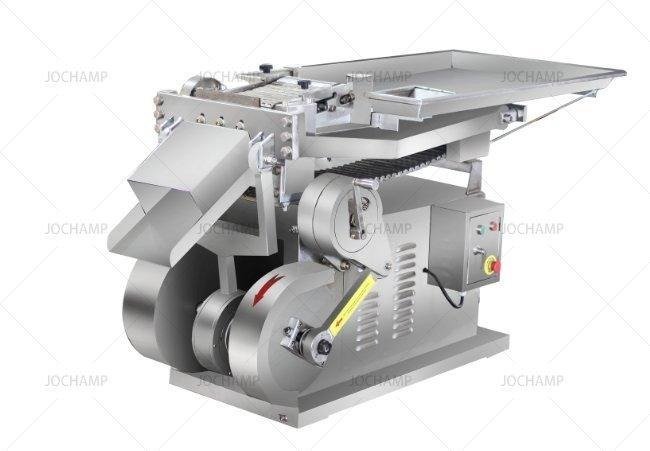
A tobacco cutting machine earns its keep through long, steady shifts, but it only stays reliable if it is looked after. Leaf residue, blade wear and dust build up quietly, and a machine that is ignored will eventually repay the neglect with poor cuts and sudden breakdowns. A simple maintenance routine keeps it cutting cleanly and avoids costly downtime.
Daily Cleaning: The Non-Negotiable Habit
Tobacco leaf leaves behind a sticky residue that coats rollers, guides and the cutter area. Left in place, it hardens, attracts dust and interferes with the feed. At the end of every shift, brush down the feed area, wipe the guides and clear the collection zone. This takes only a few minutes, and it prevents the slow build-up that causes most feeding problems.
The cutter head deserves special attention. Clear any trapped leaf from around the blades and check that nothing is caught in the mechanism. A clean tobacco cutting machine starts the next day the way it ended the last one: ready to work.
Blade Sharpening and Replacement
Blades do the real work, and they dull with every hour of use. Dull blades crush leaf instead of slicing it, producing dust and ragged strands that spoil the blend. Sharpen on a fixed schedule based on hours run, and keep a spare set ready so a blade change never stops production for long.
When fitting fresh or sharpened blades, check the alignment and the cutting gap with care. A blade that sits even slightly out of true will cut unevenly, however sharp it is. After a change, run a short test batch and inspect the strands before returning to full production.
Lubrication and Moving Parts
Bearings, chains and drive parts need lubrication on the maker’s schedule. Use the lubricant type the manual recommends, and do not over-apply it near the cutting area, where excess oil can contaminate the leaf. Check belts for tension and wear, and listen for changes in the sound of the machine, because a new rattle or whine often signals a bearing or belt that needs attention.
Keep the area around the tobacco cutting machine clean as well. Dust drawn into the mechanism shortens the life of moving parts, so a tidy floor and regular sweeping around the machine are part of the maintenance routine.
5 Maintenance Tasks to Schedule
- Daily cleaning of the feed area, guides and cutter head after every shift.
- Blade sharpening on a fixed hours-based schedule, with spares kept ready.
- Weekly inspection of belts, bearings and drive parts for wear or looseness.
- Monthly deep clean of the full machine, including areas that daily cleaning misses.
- A written log of every service, blade change and repair, so nothing is forgotten.
Training Operators to Care
Maintenance works best when the people running the machine own it. Train operators to clean properly, to recognise the signs of dull blades, and to report unusual sounds or poor cuts at once. A team that feels responsible for the machine will look after it far better than a team that sees maintenance as someone else’s job.
Keep the manual close to the machine and make sure the maintenance schedule is posted where everyone can see it. When the routine is visible and simple, it gets done.
Seasonal and Annual Servicing
Beyond the daily and weekly routine, a tobacco cutting machine benefits from a deeper annual service. Once a year, strip the machine down further than daily cleaning reaches: inspect the cutter housing, check the drive system, examine wiring and safety guards, and replace any part that shows wear even if it has not yet failed.
An annual service is also the right time to review the machine’s performance over the year. Look back at the maintenance log: are blades lasting as long as they used to? Has a particular fault recurred? Are settings drifting more often? Patterns in the log point to parts that need attention before they cause a breakdown.
Many suppliers offer an annual service visit by a trained technician for your tobacco cutting machine. A fresh pair of eyes often spots wear that daily operators have grown used to. Book the visit in a quiet period, so the machine is ready for the busiest season rather than being serviced in the middle of it.
Planning for Spare Parts
A tobacco cutting machine that waits weeks for a part is a machine that costs money while it stands still. Keep a small stock of the parts that wear fastest: blades, belts, bearings and feed rollers. Order replacements when the stock falls, not when the last one is fitted.
Know your supplier’s lead times. If a part takes three weeks to arrive, order it when the current one is half worn, not when it fails. That simple habit turns most breakdowns into planned, brief stops.
Frequently Asked Questions
How long should a tobacco cutting machine last?
With regular cleaning, blade care and scheduled servicing, a well-built machine can run reliably for many years. Neglect shortens that life sharply.
What is the most common cause of breakdowns?
Neglected blades and built-up residue cause most problems. Both are preventable with a daily cleaning routine and a sharpening schedule.
Can operators do maintenance themselves?
Yes, daily cleaning, blade changes and basic checks are normal operator tasks. Larger repairs and servicing are best left to a trained technician.
See also: RegTech AML: Modernising Financial Crime Compliance
Final Thoughts
Maintenance is not a cost; it is what keeps a tobacco cutting machine productive. Clean it daily, sharpen the blades on schedule, check the moving parts and keep spares on hand. A machine that is cared for will cut cleanly, run reliably and keep your production line moving without unwelcome surprises.