How to Maintain a Gas Chainsaw for Regular Garden Work
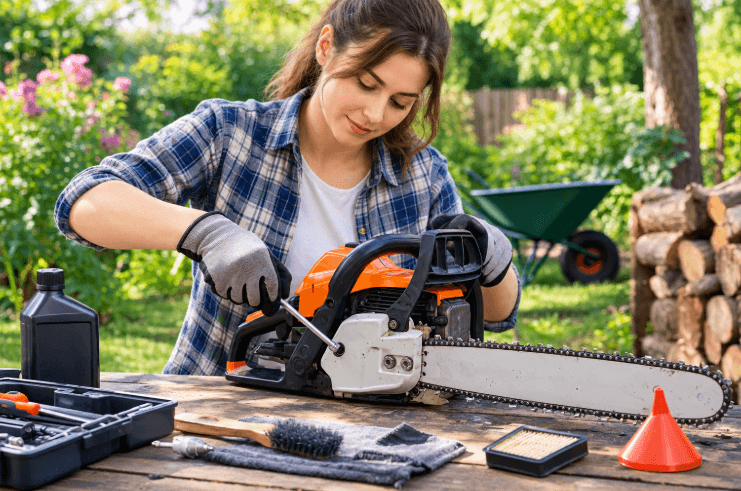
A chainsaw that starts on the second pull, cuts smoothly and runs without hesitation is a pleasure to use. One that coughs, stalls, smokes and chews through wood instead of slicing it is a source of endless frustration, and a real safety hazard. The difference between the two usually has nothing to do with brand or price. It comes down to how well the saw is looked after.
Regular gas chainsaw maintenance isn’t complicated, and it doesn’t take long. A few minutes before and after each use, plus some periodic checks throughout the season, are enough to keep your saw running reliably for years. Whether you use yours every weekend or only a handful of times a year, here’s what you need to know.
Why Maintenance Matters
A chainsaw works under tough conditions. The engine runs at very high speeds, the chain moves at tens of miles per hour around the bar, and everything is exposed to sawdust, sap, dirt and vibration. Without care, small problems quickly turn into bigger ones.
A dull chain forces you to push harder and increases the risk of kickback. A clogged air filter makes the engine run rich, lose power and overheat. Old fuel gums up the carburetor. A worn bar damages the chain. Each of these issues is easy to prevent, but expensive and annoying to fix once it’s developed.
Good maintenance also keeps you safer. A well-tuned saw with a sharp chain and working safety features is more predictable and easier to control.
Before Every Use: The Quick Check
Make these checks a habit each time you take the saw out. They take just a few minutes.
Chain tension. With the saw off and the chain cool, pull the chain gently away from the underside of the bar. It should move slightly, but the drive links shouldn’t come out of the groove. If it sags, loosen the bar nuts, adjust the tensioner, then tighten the nuts again while holding the bar tip up.
Chain sharpness. Look at the cutters. They should have clean, sharp edges with no visible damage. If the saw produced fine dust last time instead of chips, it needs sharpening.
Chain brake. Engage and release it to make sure it moves freely and locks properly.
Fuel and bar oil. Top up both. Running out of bar oil mid-job can quickly ruin the chain and the bar.
Loose parts. Check that the bar nuts, handles and covers are secure, and that the chain catcher is in place.
Throttle and lockout. Make sure the throttle returns to idle when released and that the lockout works.
After Every Use: Keep It Clean
Cleaning the saw after each session prevents sawdust and sap from building up and causing problems.
Remove the bar and chain cover and brush away the sawdust that collects around the sprocket and the clutch. Clean the bar groove with a scraper or a groove cleaning tool, and make sure the small oil holes on the bar are clear so oil can reach the chain.
Wipe down the body of the saw, especially around the cooling fins and the starter housing. If these get clogged with debris, the engine can overheat.
Check the chain for damaged or missing cutters, and the bar for burrs or uneven wear.
Sharpening the Chain
A sharp chain is the single most important factor in how well a chainsaw performs. It cuts faster, puts less strain on the engine and on your arms, and reduces the risk of kickback.
You can sharpen the chain yourself with a round file and a filing guide sized for your chain. Most chains have the correct file size printed on the drive links or listed in the manual. Follow the angle marked on the guide, usually around 25 to 35 degrees, and give each cutter the same number of strokes so they stay even. Work on one side, then turn the saw around and do the other.
Every few sharpenings, check the depth gauges, the small tabs in front of each cutter. If they’re too high, the chain won’t bite into the wood. A flat file and a depth gauge tool let you bring them down to the correct level.
If you hit a rock or nail, or if sharpening by hand feels tricky, a local dealer can grind the chain professionally. Keeping a spare chain on hand means you’ll never have to stop mid-job.
Caring for the Bar
The guide bar wears over time, mostly along the underside, where the chain does most of its cutting. To spread the wear evenly, flip the bar over each time you sharpen or replace the chain.
Check the rails for burrs and file them flat if needed. If the bar has a sprocket nose, lubricate it with a grease gun through the small hole near the tip, as recommended by the manufacturer.
A bar that’s bent, badly worn or has uneven rails should be replaced, as it will damage the chain and make cuts uneven.
The Drive Sprocket
The drive sprocket, located behind the clutch cover, transfers power from the engine to the chain. Over time, its teeth wear down. A worn sprocket damages new chains quickly. As a general rule, replace the sprocket every two chains or so, or whenever you see deep grooves on the teeth.
Keeping the Garden Chainsaw Engine Healthy
A garden chainsaw often sits unused for weeks between jobs, which makes engine care particularly important. Most problems come from three areas: air, fuel and spark.
Air filter
The air filter keeps sawdust and dirt out of the engine. When it gets clogged, the saw loses power, runs poorly and uses more fuel. Check it regularly, every few hours of use, and clean it according to the manufacturer’s instructions. Some filters can be tapped clean or washed with warm soapy water; others need to be replaced. Let a washed filter dry completely before reinstalling it.
Fuel
Most gas chainsaws run on a two-stroke engine that needs a specific mix of gasoline and oil. Always use the ratio recommended in the manual, with a good quality two-stroke oil.
Fuel doesn’t keep well. After a month or so, mixed gasoline starts to break down, especially if it contains ethanol. Old fuel leaves deposits that clog the carburetor and fuel lines. Mix only what you’ll use within a few weeks, add a fuel stabilizer if needed, or consider pre-mixed, ethanol-free fuel sold in cans for saws that see occasional use.
Fuel filter
Inside the fuel tank, a small filter is attached to the fuel line. Check it once a season and replace it if it’s dirty or clogged.
Spark plug
A worn or fouled spark plug makes starting difficult and causes the engine to misfire. Remove and inspect it once a season. Clean light deposits with a wire brush, check the gap and replace it if the electrode is worn or heavily carbonized.
Carburetor
Unless you have experience, avoid adjusting the carburetor mixture screws. If the saw idles too fast and the chain moves at idle, adjust the idle speed screw slightly. For anything more, a trip to a service center is the safer option.
See also: Business Acquisition Financing Canada: Funding a Successful Business Purchase
Checking Safety Features
Safety components need attention too. Inspect the chain brake band for wear, make sure the chain catcher is intact, and check that the anti-vibration mounts aren’t cracked or loose. A muffler with a damaged spark arrester screen should be cleaned or replaced, especially if you work in dry areas.
Seasonal Storage
If you won’t use the saw for more than a month, prepare it properly:
- Empty the fuel tank, then run the engine until it stops to clear the carburetor.
- Clean the saw thoroughly.
- Remove the chain, soak it briefly in oil and store it in a sealed bag.
- Clean and oil the bar.
- Store the saw in a dry, secure place with the bar cover on, out of reach of children.
Annual Professional Service
Even with good home maintenance, it’s worth taking your saw to a dealer or service center once a year, particularly if you use it often. A technician can check compression, clean the carburetor, inspect the clutch and replace worn parts before they fail.
A Simple Maintenance Schedule
- Before each use: check chain tension, sharpness, brake, fuel and oil.
- After each use: clean the saw, bar groove and oil holes.
- Every few hours: clean the air filter, sharpen the chain.
- Every season: inspect spark plug, fuel filter and sprocket.
- Every year: professional service.
Final Thoughts
Learning how to maintain a gas chainsaw is one of the best investments you can make as a homeowner. It saves money on repairs, extends the life of the saw and makes every job faster, easier and safer.
The routine is simple: keep it clean, keep the chain sharp, use fresh fuel and pay attention to small signs of wear. Treat your chainsaw well, and it’ll be ready to start and cut cleanly every time the garden needs it.