How to Balance Traveling and Academics: A Guide for Digital Nomad Students
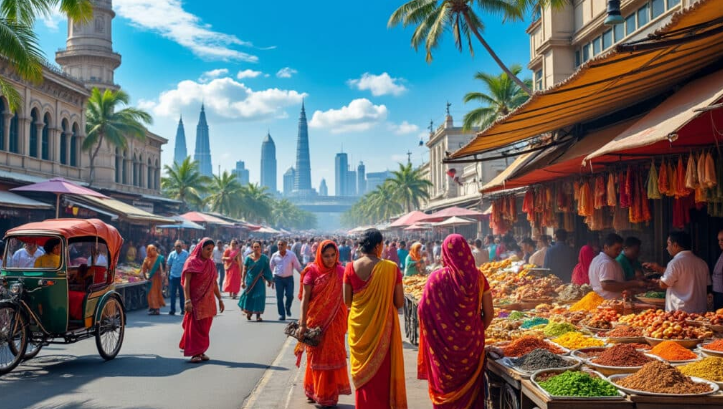
The dream used to be simple: graduate, get a cubicle, and save up for a two-week vacation once a year. But the script has changed. Today, a growing number of students are realizing that they don’t have to wait for a diploma to see the world. Thanks to remote learning and digital resources, the “Digital Nomad Student” lifestyle is no longer a myth—it’s a viable way to live.
However, swapping a library desk for a beachside cafe in Bali sounds a lot easier than it actually is. Between time zone math, spotty Wi-Fi, and the constant temptation to go on a hike instead of finishing a research paper, the struggle is real. If you want to see the world without seeing your GPA plummet, you need a strategy. Here is how you can master the art of balancing world travel with academic excellence.
The “Education First” Mindset
The biggest mistake student nomads make is treating their journey like a vacation. It isn’t. It’s a lifestyle shift. To succeed, you have to acknowledge that your primary “job” is still your education.
Before booking a flight on platforms like TtweakFlight, ask yourself: Does this destination have the infrastructure I need? A remote island in the Philippines might be beautiful, but if the power goes out for six hours a day, you aren’t going to meet your deadlines. Always prioritize locations with high-speed internet and dedicated workspaces.
Master the Art of Time Zone Management
Time zones are the “final boss” of the digital nomad world. If your university is in New York and you’re in Tokyo, you are living 13 to 14 hours ahead. This means your “midnight” deadline is actually mid-afternoon the next day—or is it the day before?
- Sync your calendars: Set your digital calendar to display both your local time and your university’s time.
- The 48-Hour Rule: Never aim for a deadline. Aim to submit everything 48 hours early. This provides a safety net for travel delays, lost luggage, or unexpected “blackout” zones where you can’t find a signal.
Creating a Mobile “Study Sanctuary”
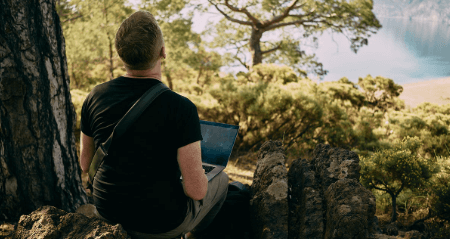
When you’re constantly moving, you lose the comfort of a consistent desk. You have to learn to focus anywhere. This requires a “Go-Bag” that contains everything you need to turn a park bench or an airport terminal into a classroom:
- Noise-canceling headphones (essential for noisy hostels).
- A portable power bank.
- A universal travel adapter.
- A physical notebook for brainstorming when you need a break from screens.
Knowing When to Ask for Help
Even the most organized student will eventually hit a wall. Maybe you’re navigating a language barrier in a new country while a 3,000-word essay is due, or perhaps you’ve caught a local flu and can’t focus on your citations.
During these high-stress periods, it’s okay to seek academic support to keep your head above water. Being a nomad is about being resourceful. Just as you’d use a local guide to navigate a mountain trek, using professional resources to understand complex topics or structure your workload is a smart way to manage your mental health and academic standing.
Structuring Your “Work-Travel” Week
Don’t try to “fit in” study time between sightseeing. Instead, build your travel around your study blocks.
- Deep Work Days: Designate 2–3 days a week as “No-Travel Days.” These are for the heavy lifting—writing papers, taking exams, and attending lectures.
- Exploration Days: Use the remaining days for short trips, museum visits, and local tours.
- The “Slow Travel” Approach: Instead of staying in a city for three days, stay for three weeks. This reduces “travel fatigue” and gives you a routine that mimics a normal life, which is much better for your grades. Checkout the travel expo singapore in between if you get some time to spend.
Managing Complex Assignments on the Road
Let’s be honest: some assignments are harder to do on a laptop in a cafe than others. Creative writing might be easy, but a technical argumentative essay requires deep research and hours of formatting. If you find yourself stuck in a beautiful destination but buried under a mountain of paperwork, you might consider an essay writing service to help you outline your thoughts or polish your final draft.
Using these services can be a lifesaver when you’re dealing with the logistical nightmares of international travel. It allows you to maintain the quality of your submissions even when your “office” for the week is a train crossing the Swiss Alps.
See also: Choosing the Right Official Address for a Compliant Business Structure
Budgeting for Both Worlds
Traveling as a student requires a double-budget. You have to account for:
- Travel Costs: Flights, hostels, food, and insurance.
- Academic Costs: Tuition, books, and software subscriptions.
Always keep an “Emergency Academic Fund.” This is money set aside specifically for school-related emergencies—like needing to buy a new laptop charger in a foreign country or paying for an express shipping fee for a required textbook.
Staying Social Without Sacrificing Grades
Hostel life is incredibly social. There will always be a group going out for drinks or a late-night street food run. As a digital nomad student, you will have “FOMO” (Fear Of Missing Out).
The trick is to find “co-working” buddies. Look for other travelers who are also working remotely. Sitting next to someone else who is focused on their laptop makes it much easier to resist the urge to go to the beach. You can reward yourselves with a sunset dinner after the work is done.
The Importance of Routine in a World of Change
When everything around you is changing—the language, the currency, the food—your routine is what keeps you grounded. Try to keep a few “anchor habits” no matter where you are:
- Always wake up at the same time.
- Have a specific “starting ritual” for your study sessions (like a specific playlist).
- Check your university portal every single morning without fail.
Health is Your Greatest Wealth
You can’t study or travel if you’re burnt out. Traveling takes a toll on the body. Make sure you are eating more than just “tourist food,” staying hydrated, and getting enough sleep. If you feel a burnout coming on, stop traveling. Stay in one city for a month, catch up on your sleep, and get ahead on your schoolwork before moving again.
Conclusion
Balancing an education with a passion for travel isn’t just about being “productive”—it’s about being adaptable. It’s about realizing that the world is a giant classroom, but your university degree is the key that will open even more doors in the future. By planning ahead, using the right tools, and knowing when to reach out for a helping hand, you can have the best of both worlds.