How Can You Verify an HVAC Contractor’s Credentials?
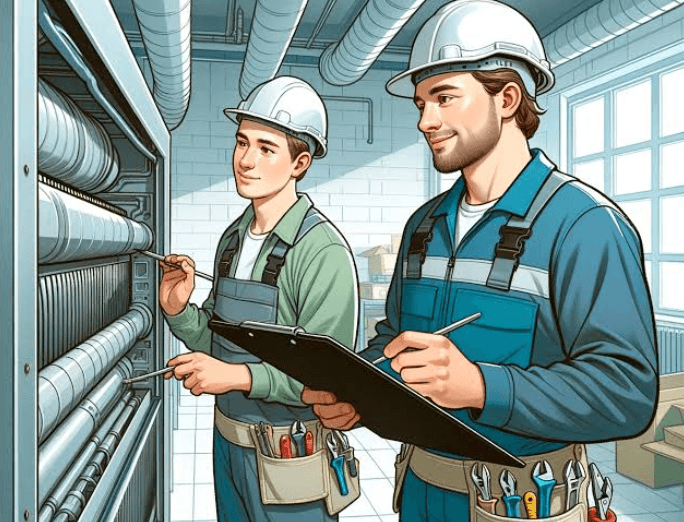
When it comes to maintaining a comfortable and safe environment in your home or business, hiring the right HVAC professional is crucial. Ensuring that the person or company you choose is properly qualified can save you from costly mistakes, safety hazards, and unnecessary stress. Many homeowners and property managers are unsure about how to confirm the legitimacy of an HVAC contractor, which can lead to uncertainty and hesitation during the hiring process. By understanding the steps involved in verifying credentials, you can make informed decisions and feel confident that your heating and cooling systems are in capable hands.
What to Expect When Verifying Credentials
Understanding Licensing Requirements
Licensing is one of the most important factors to consider when verifying an HVAC contractor’s credentials. Each state and locality may have different requirements for HVAC professionals, but most require contractors to hold a valid license to operate legally. This license demonstrates that the contractor has met specific educational and training standards, passed relevant exams, and is aware of local building codes and safety regulations. Before hiring anyone, it is essential to ask for their license number and verify it with the appropriate state or local licensing board. Many boards offer online databases where you can quickly check the status of a contractor’s license. If a contractor hesitates to provide this information or if their license is expired or invalid, it is a clear sign to look elsewhere. Proper licensing not only protects you as a consumer but also ensures that the work performed will meet industry standards and legal requirements.
Checking Insurance and Bonding
Insurance and bonding are critical components of a contractor’s credentials that protect both you and the contractor in case of accidents, property damage, or incomplete work. A reputable HVAC professional should carry both liability insurance and workers’ compensation insurance. Liability insurance covers any damage that might occur to your property during the course of the job, while workers’ compensation protects you from being held responsible if a worker is injured on your property. Bonding, on the other hand, provides financial assurance that the contractor will fulfill their contractual obligations. Before any work begins, request proof of insurance and bonding, and verify the documents with the issuing companies. This step is often overlooked, but it can save you from significant financial and legal troubles down the line. When you hire a HVAC contractor who is properly insured and bonded, you gain peace of mind knowing that you are protected from unforeseen circumstances.
Evaluating Training and Certifications
Beyond licensing and insurance, it is important to assess the training and certifications held by the contractor. Many HVAC professionals pursue additional certifications from recognized industry organizations, such as North American Technician Excellence (NATE) or HVAC Excellence. These certifications indicate that the contractor has undergone rigorous training and has demonstrated proficiency in various aspects of heating, ventilation, and air conditioning systems. Ask the contractor about their training background and any certifications they hold. You can often verify these credentials directly with the certifying organizations. Contractors who invest in ongoing education are more likely to be up-to-date with the latest technologies, energy efficiency standards, and safety protocols. This commitment to professional development can translate into higher quality work and better long-term performance of your HVAC systems. Taking the time to evaluate a contractor’s training and certifications can help you make a more informed decision and ensure that your project is completed to a high standard.
The Importance of References
References play a vital role in verifying a contractor’s reputation and reliability. Speaking with previous clients can provide valuable insights into the contractor’s work quality, professionalism, and ability to meet deadlines. When requesting references, ask for recent projects similar to yours and follow up with those clients to discuss their experiences. Pay attention to feedback regarding communication, punctuality, and how the contractor handled any issues that arose during the project. Positive references from satisfied customers are a strong indicator that the contractor is trustworthy and capable. On the other hand, if a contractor is unwilling or unable to provide references, this could be a red flag. Taking the time to check references can help you avoid potential problems and ensure that you are hiring someone who has a proven track record of delivering satisfactory results.
See also: Common Home Electrical Problems That Should Not Be Ignored
Verifying Online Reviews and Ratings
In today’s digital age, online reviews and ratings are an additional resource for evaluating an HVAC contractor’s credentials. Websites such as Google, Yelp, and the Better Business Bureau allow customers to share their experiences and rate contractors based on various criteria. While no contractor will have a perfect record, consistently positive reviews and high ratings are a good sign of reliability and quality service. Look for patterns in the feedback, such as repeated praise for professionalism or recurring complaints about missed appointments. Be cautious of contractors with very few reviews or overwhelmingly negative feedback. It is also helpful to see how the contractor responds to both positive and negative reviews, as this can reveal their commitment to customer satisfaction. Using online reviews in conjunction with other verification methods provides a more comprehensive picture of the contractor’s reputation and reliability.
Why Written Contracts Matter
A written contract is a crucial element when hiring an HVAC professional. This document should clearly outline the scope of work, materials to be used, project timeline, payment schedule, and warranty information. Having everything in writing protects both parties and helps prevent misunderstandings or disputes. Before signing, review the contract carefully and ensure that all verbal agreements are included. If anything is unclear, ask for clarification before proceeding. A reputable contractor will be transparent and willing to address your concerns. Written contracts provide a legal safeguard and set clear expectations for the project, making them an essential part of the hiring process.
Conclusion
Verifying an HVAC professional’s credentials is a vital step in ensuring the safety, efficiency, and longevity of your heating and cooling systems. By checking licensing, insurance, training, references, and online reviews, you can confidently select a contractor who meets industry standards and delivers quality service. Taking these precautions not only protects your investment but also provides peace of mind throughout the project. Remember that thorough verification is an investment in your property’s comfort and safety, and it helps build a foundation of trust between you and your chosen professional. With careful attention to credentials, you can enjoy reliable HVAC service and avoid unnecessary risks.