How a Personal Injury Team Builds Strong Claims on Thin Evidence
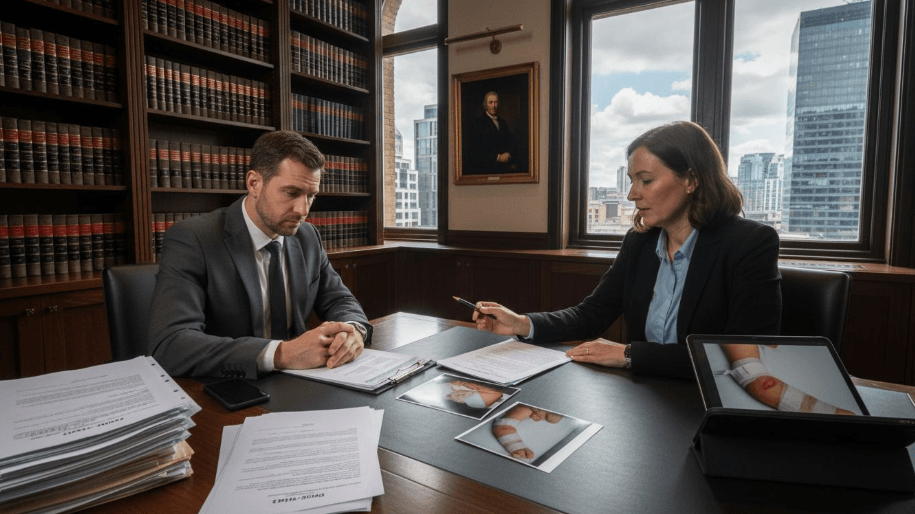
Thin evidence can make a real injury claim appear fragile. Records may be incomplete, witnesses may sound uncertain, and early reports may omit key symptoms. Experienced counsel treats those gaps with care, not guesswork. The goal is to connect harm, fault, treatment, and financial loss through verifiable facts. Small details, placed in proper order, can give insurers or jurors a reason to trust the account.
Early Case Review
Before opinions harden, counsel reviews intake notes, police reports, medical visits, photographs, and insurance letters. The Fresno personal injury lawyers at FHV Law show how a legal team can evaluate sparse proof, preserve useful material, and identify missing records before memory fades, video disappears, or routine file destruction removes support.
Timeline First
A timeline is often the backbone of a thin claim. It tracks the incident, first pain, medical care, missed work, calls, photographs, and insurer contact. Dates expose gaps, but they also explain them. Delayed soreness, lack of transportation, clinic closures, or fear over bills may account for silence. Good chronology keeps the file honest and readable.
Scene Details
Physical conditions often speak when reports say little. Lighting, pavement, floor residue, broken glass, skid marks, sight lines, weather, and warning signs may all matter. A site visit can reveal camera angles or blocked views. If photographs are missing, maps, measurements, repair records, and nearby business logs can still help reconstruct how the injury occurred.
Witness Work
Witnesses rarely remember every detail. One person may recall speed, while another remembers a spill, horn, impact sound, or warning. Skilled interviewers compare each statement against medical notes, scene facts, and time records. Gentle follow-up protects memory from pressure. It also helps separate direct observation from assumption, rumor, or later influence.
Medical Links
Medical evidence must connect the event with the diagnosed harm. Emergency charts, clinic notes, imaging, therapy records, prescriptions, and work restrictions help form that bridge. Sparse treatment does not always mean minor trauma. Pain can intensify after inflammation rises, muscle guarding develops, or nerve irritation spreads. Consistent symptom reporting gives the claim clinical weight.
Prior Conditions
A prior condition does not rule out a new injury. Many people live with arthritis, old sprains, disc changes, or earlier pain. The legal question is whether the incident aggravated that condition or created fresh limits. Earlier records, current findings, provider opinions, and daily restrictions can show the difference between baseline discomfort and new impairment.
Digital Clues
Modern evidence often sits outside the paper file. Phones, vehicles, business systems, door cameras, and delivery platforms may hold location data, call history, video, maintenance logs, or route records. These sources can disappear quickly. A preservation letter asks the holder to keep relevant data before automatic deletion or routine overwriting removes it.
Damage Proof
Loss proof should show daily impact, not just a final demand number. Pay stubs, schedules, tax records, job descriptions, invoices, mileage logs, repair bills, and childcare costs can document strain. A factual pain journal may help. Entries should describe sleep disruption, lifting limits, walking distance, medication effects, and missed activities without exaggeration.
Expert Support
Some claims need technical explanation. A physician may address injury causation. An engineer may explain force, speed, visibility, or product failure. A billing reviewer may assess whether charges match local treatment patterns. Expert opinions are strongest when grounded in records already collected. Their job is to clarify evidence, not fill empty space.
Insurer Pressure
Insurers focus on silence, delay, prior pain, missing photographs, or vague reports. A prepared legal team answers those points with documents, witness notes, medical context, and practical explanations. Weak areas should be addressed plainly. Candor can improve credibility because it shows the claim was tested before any demand reached the adjuster.
Settlement Value
Settlement value depends on fault, injury severity, treatment course, wage loss, future limits, and credibility. Thin proof can reduce offers if important questions remain open. Better organization can change that pressure. A strong demand tells a clean story, cites support, explains uncertainty, and ties each loss to a documented effect on life or work.
Conclusion
Thin evidence does not defeat a personal injury claim by itself. It requires disciplined review, early preservation, careful medical analysis, and direct answers to weak points. A strong team builds from what can be verified, then explains gaps without exaggeration. When records, witness accounts, clinical findings, and losses fit together, limited proof can still support a clear and credible claim.