Giving Old Vehicles a New Purpose: The Value of Auto Salvage and Used Parts
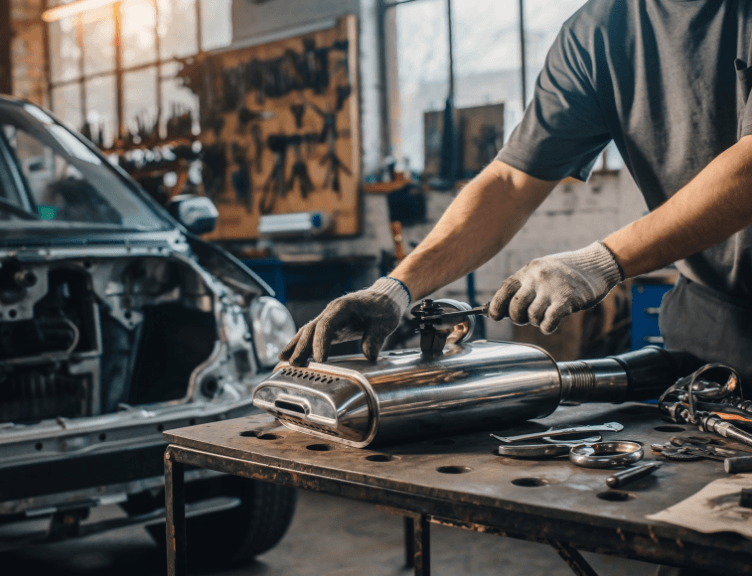
A vehicle that no longer runs reliably can still offer plenty. Engines, transmissions, mirrors, doors, and countless smaller components may still work even when the car is beyond economical repair. For drivers maintaining older vehicles, used car parts from local junkyards can make repairs more affordable without requiring brand-new replacements. This creates a practical connection between owners retiring unwanted vehicles and people trying to keep their own cars on the road.
Auto salvage yards play an important role in this process. Rather than treating every aging or damaged automobile as scrap metal, they identify vehicles with reusable components and make those parts available for future repairs. Some yards allow customers to remove the parts themselves, while others handle dismantling and sell individual components.
This approach is particularly valuable for older models. As vehicles age, certain original equipment parts become harder to find through conventional retailers. Salvage inventory may contain factory-installed components that are no longer readily available new, giving owners another option before abandoning an otherwise repairable car.
Knowing When a Car Is Worth More in Parts
Deciding whether to repair or retire a vehicle often comes down to balancing costs against its remaining usefulness. A car with a failing transmission might still have a dependable engine, undamaged body panels, and functioning electrical components. However, replacing the transmission could cost more than the owner is willing to invest, especially when other repairs are approaching.
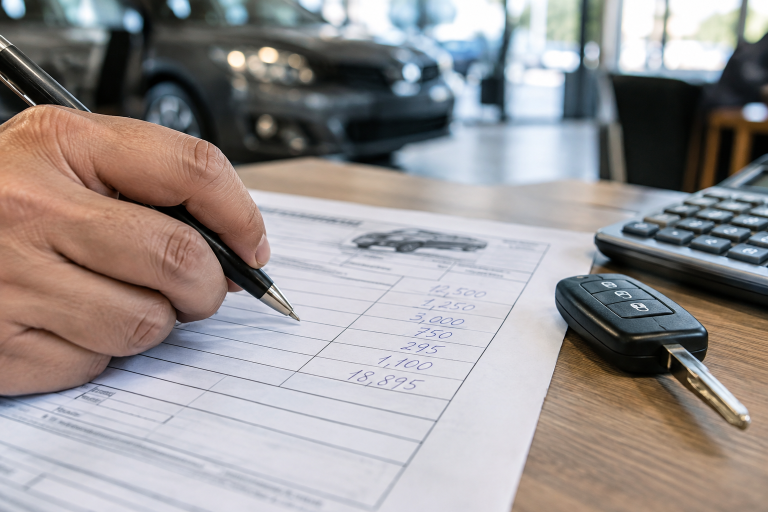
Selling the vehicle for salvage can make sense in these circumstances. Its value may depend on the condition of its components, demand for replacement parts, overall vehicle completeness, and recoverable materials. Obtaining multiple offers and confirming whether towing fees apply can help an owner work toward a fair price for a used vehicle without overlooking deductions that could reduce the final payment.
What Happens Inside a Self-Service Salvage Yard?
Self-service salvage yards operate differently from traditional auto parts stores. Instead of purchasing a component already sitting on a shelf, customers locate a suitable donor vehicle and remove the required part using their own tools. This hands-on process can reduce labor-related costs, although it requires patience and basic mechanical knowledge.
Many yards organize vehicles by manufacturer or category, making it easier to narrow the search. Inventory listings can help customers identify potential matches before arriving. However, finding a vehicle of the correct make and model does not guarantee that the desired component is still present or usable.
Preparation makes a significant difference. Bringing the correct sockets, wrenches, screwdrivers, and protective equipment can prevent a wasted trip. Customers should also follow yard safety rules, use designated access areas, and avoid dismantling components they cannot safely handle.
Finding Replacement Parts That Actually Fit
Vehicle compatibility is one of the biggest challenges when purchasing salvaged components. Two cars may look nearly identical but use different mounting hardware, electrical connectors, or mechanical assemblies. Even vehicles from the same production year can have differences depending on engine configuration and optional equipment.
Before removing a part, shoppers should compare the original component’s part number, dimensions, connectors, and mounting points whenever possible. Interchange information can identify compatible parts across multiple model years. Photographs of the existing installation can also help confirm details during the search.
Condition matters just as much as fit. Look for corrosion, damaged threads, cracks, missing fasteners, and evidence of previous repairs. Mechanical components should be assessed for visible wear where practical. Safety-critical items, particularly airbags and seat belts, require special caution because their condition and history may be difficult to verify. Buyers should also understand the yard’s return or exchange policy before completing a purchase.
Preparing an Unwanted Vehicle for Sale
Owners selling a damaged or non-running car can simplify the process by gathering accurate information beforehand. The vehicle’s year, make, model, identification number, mileage, and known mechanical problems are useful starting points. Being upfront about collision damage, missing parts, or whether the vehicle starts helps buyers assess its condition.
Ownership paperwork deserves equal attention. Title requirements vary by jurisdiction, and sellers should confirm what documents are needed before arranging a transfer. Personal belongings should be removed, and the owner should check the vehicle for documents containing sensitive information.
If the vehicle cannot be driven, ask whether transportation is available and who pays for it. Sellers should also confirm the payment method, when payment will occur, and what paperwork establishes that ownership has changed. These details help prevent misunderstandings during pickup.
The Environmental Value of Giving Parts Another Purpose
Reusing automotive components can reduce the need to manufacture replacements from raw materials. Keeping a functioning alternator, door assembly, or other serviceable component in circulation allows more use to be recovered from materials and energy already invested in its production.
Vehicle recycling also provides a destination for materials that cannot be reused as parts. Metals can be recovered for further processing, while fluids, batteries, and other potentially hazardous materials require appropriate handling. Responsible dismantling helps limit unnecessary waste and reduces the risk of environmental contamination.
See also: Short-Form Video Marketing for Business Growth
Making Better Decisions About Vehicle Ownership
The relationship between used parts and unwanted vehicles is straightforward. One owner reaches the point where maintaining a car is no longer practical, while another needs a specific component to keep a similar vehicle operating.
Understanding that connection helps both sides make informed decisions. Buyers can approach salvage yards with realistic expectations about compatibility, condition, and the work involved. Sellers can evaluate their vehicle’s remaining worth without assuming that a non-running car has no value.
Ultimately, auto salvage is about getting more practical use from vehicles and materials that already exist. Whether that means completing an affordable repair or responsibly retiring an old automobile, the benefits extend beyond a single transaction.