Flood-Ready Homes: A Practical Plan for Risk, Records, and Recovery
Why Flood Preparation Deserves Attention
Flooding can follow heavy rainfall, storm surge, overflowing waterways, drainage problems, or fast-moving flash floods. A home does not need to be next to a river or coast to experience water damage, which makes early planning and protection against flooding important considerations for many property owners.
Preparation is most useful when it combines a realistic look at the property, an insurance review, practical maintenance, and a household safety plan. The National Flood Insurance Program encourages households to prepare for a flood by documenting belongings and taking steps that may reduce damage before water reaches the home.
Start With a Personal Flood Risk Check
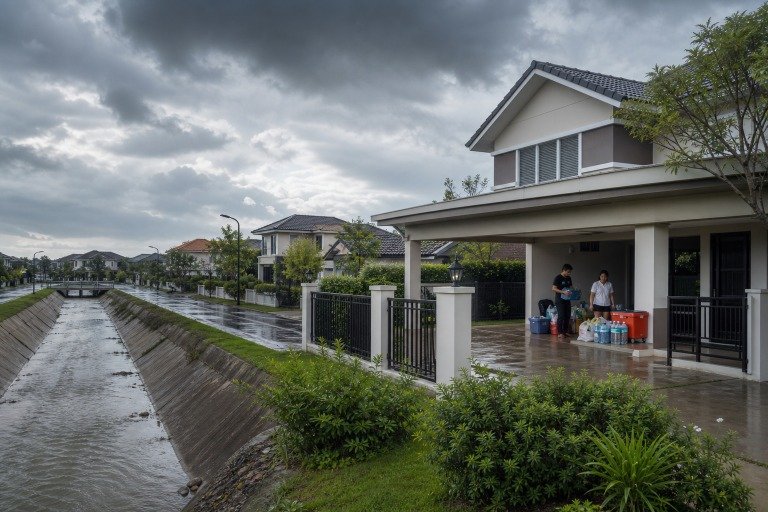
Begin by considering how water could reach your property and where it could collect. Review the property’s mapped flood zone, local drainage conditions, past flooding in the neighborhood, and roads that may become unsafe during heavy rain. Nearby creeks, canals, retention ponds, ditches, and low-lying intersections can all affect how water moves through an area.
Households with a camper, trailer, or motorhome should also decide where to move it if conditions worsen. Reviewing RV coverage separately can help owners understand the policy terms that apply to the vehicle and its contents.
- Check the property’s mapped flood zone and available local hazard information.
- Identify nearby waterways, drainage channels, and low roads.
- Sign up for local weather alerts and emergency notifications.
- Ask sellers, neighbors, or property managers whether the home has flooded before.
See also: Building a Mental Wellness Plan for Illinois Life
Review Insurance Before Severe Weather Arrives
Standard homeowners, renters, condo, and business policies can differ substantially, and water-related losses may be handled differently depending on the cause. Do not assume that every type of flooding, seepage, sewer backup, wind-driven rain, or rising water is covered. Read the policy, declarations page, endorsements, deductibles, limits, and exclusions, then ask an insurance professional about anything unclear.
Questions to Ask
- Does the policy cover the building, personal belongings, or both?
- Which water-related causes of loss are excluded or limited?
- What deductible would apply to a covered loss?
- Are temporary living expenses available after a covered claim?
- When would newly purchased coverage become effective?
Create a Room-by-Room Home Inventory
A home inventory provides a useful record of what you owned before a loss. Use a phone to take wide photos or videos of each room, then capture closer images of valuable belongings, appliance labels, model numbers, tools, jewelry, collectibles, and outdoor equipment. Keep receipts, appraisals, and serial numbers when they are available.
- Record every room from multiple angles.
- Photograph important labels and higher-value items.
- Save receipts and appraisals with the inventory.
- Store copies in secure cloud storage or another location outside the home.
- Update the record after major purchases, renovations, or moves.
Make Low-Cost Property Improvements
No project can eliminate all flood losses, but consistent maintenance may help water drain away from the home and reduce exposure inside. Clear gutters and downspouts, remove debris from yard drainage paths where appropriate, and test a sump pump if the home has one. Store documents, electronics, and irreplaceable belongings on higher shelves or upper floors when possible.
For larger improvements, consult qualified professionals about options such as elevating electrical equipment, appliances, or other utilities. Avoid making electrical changes yourself unless you are properly qualified to do so.
Build a Household Flood Plan
A flood plan should address more than emergency food and flashlights. Decide how household members will receive alerts, where they will meet if separated, and how they will evacuate if normal roads are blocked. Include medications, mobility needs, transportation, pet supplies, service animals, and contact information for relatives or caregivers.
Emergency Plan Checklist
- Choose two routes away from the area.
- Set a meeting place outside the likely risk area.
- Keep emergency contacts on paper as well as in phones.
- Prepare supplies for people, pets, and service animals.
- Place identification, insurance records, and prescriptions in a waterproof container.
- Practice the plan, so everyone knows what to do.
Know What to Do When Flooding Is Predicted
Act early when local officials issue instructions or conditions begin to deteriorate. Move vehicles and valuables if it is safe, charge phones, secure important records, and follow evacuation guidance. Never drive through flooded areas. The CDC notes that floodwater and standing water can create injury, chemical, and infectious disease hazards, so safety must come before protecting property.
Protect Health During Cleanup
Do not enter a flooded structure until it is safe to do so. Floodwater can contain sewage, chemicals, sharp debris, and other contaminants, while damp building materials can support mold growth. Wear appropriate protective clothing, keep clear of damaged electrical systems, ventilate the space when safe to do so, and discard materials that cannot be adequately cleaned and dried. Seek medical advice promptly for injuries or illness after exposure.
Document Damage Before Making Repairs
After a flood, photograph and video damaged rooms, walls, flooring, furniture, appliances, and exterior areas before removing items whenever conditions allow. Take reasonable steps to prevent additional damage, but keep receipts for cleanup supplies, temporary repairs, lodging, and professional services. Clear documentation can make it easier to explain the loss and track expenses.
Common Questions Homeowners Ask
Can a Home Flood If It Is Outside a High-Risk Zone?
Yes. Flood maps are valuable planning tools, but they cannot account for every localized drainage problem, rainfall event, or changing condition. A lower-risk designation does not mean no risk.
Does Homeowners Insurance Cover Flood Damage?
It depends on the policy and the cause of the water damage. Review the specific terms and ask about rising water, storm surge, seepage, sewer backup, and wind-driven rain.
Should Renters Prepare for Flooding?
Yes. Renters can document personal belongings, protect records and medications, create an evacuation plan, and review their policy for water-related exclusions or limits.
How Often Should a Home Inventory Be Updated?
Review it at least once a year and after major purchases, renovations, moves, or seasonal equipment changes.
A Simple 30-Day Flood Readiness Plan
- Week One: Review maps, alerts, evacuation routes, and insurance documents.
- Week Two: Create or update the home inventory and protect important records.
- Week Three: Clean drainage areas, test equipment, and move vulnerable items higher.
- Week Four: Practice the household plan and replace expired emergency supplies.
Conclusion
Flood readiness is most effective when practiced year-round. A practical risk review, current inventory, routine property care, and a tested household plan can reduce confusion when conditions change. The goal is not to predict every flood, but to protect people and create a stronger starting point for recovery if water reaches the property.