Essential Considerations When Selecting Hotel Bathroom Supplies
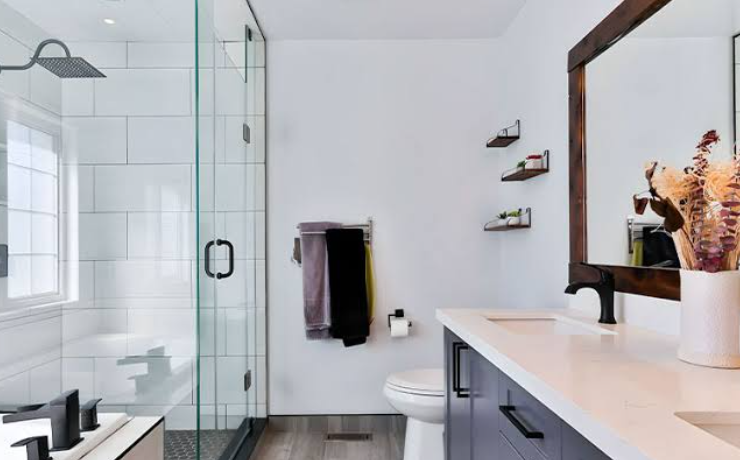
A hotel bathroom is an important part of the guest experience. Guests may spend only a short amount of time in the bathroom, but the condition, cleanliness, functionality, and appearance of the space can strongly influence their perception of the entire property.
For hotel owners and managers, selecting the right bathroom products therefore involves more than choosing attractive fixtures. Equipment must withstand repeated use, support housekeeping operations, maintain hygiene, and fit the hotel’s overall design.
Choosing suitable hotel bathroom supplies requires a balance between guest comfort, durability, efficiency, and long-term operating costs.
Guest Experience Starts With Functionality
Hotel guests expect bathroom equipment to work immediately and intuitively.
A faucet that is difficult to operate, a dispenser that does not respond correctly, or a poorly designed shower accessory can create unnecessary frustration.
Fixtures should be easy to understand without instructions. Controls should operate smoothly, while dispensers and other accessories should be positioned where guests naturally expect them.
Small details can make a bathroom feel significantly more comfortable.
Design Should Match the Hotel
Bathrooms should complement the hotel’s overall interior design.
A luxury property may prefer premium finishes and elegant accessories, while a budget or business hotel may prioritize practical, durable products with a clean appearance.
Consistency is important. Dispensers, faucets, towel accessories, mirrors, and other components should ideally work together visually.
A coordinated bathroom can appear more professional and intentional than one containing unrelated products.
Durability Is Essential
Hotel bathrooms experience regular use from different guests throughout the year.
Unlike a residential bathroom, where the same occupants use the equipment carefully, hotel facilities must withstand changing users and varying usage habits.
Durable materials and reliable mechanisms can help reduce breakdowns and replacement requirements.
When selecting equipment, hotel managers should consider construction quality, corrosion resistance, moving parts, spare-part availability, and expected service life.
Hygiene and Touchless Equipment
Hygiene is a major concern for hospitality businesses.
Touchless faucets and dispensers can reduce the number of surfaces guests need to touch. Sensor-operated systems can also provide a modern experience when they operate reliably.
However, hotel operators should ensure that housekeeping teams can easily clean and service these systems.
Technology should improve the bathroom experience rather than introduce complicated maintenance requirements.
Water Efficiency
Hotels can consume large quantities of water because bathrooms are used throughout the day.
Water-efficient faucets, showers, and toilets can help reduce consumption. Sensor-controlled fixtures may also prevent water from being left running unnecessarily.
Water efficiency can produce financial benefits as well as environmental advantages.
When selecting hotel bathroom supplies, managers should therefore consider both performance and resource consumption.
Housekeeping Requirements
Hotel housekeeping teams need products that are easy to clean and maintain.
Bathrooms must be prepared quickly between guest stays. Equipment that contains difficult-to-clean surfaces or complicated mechanisms can slow down housekeeping operations.
Fixtures should ideally allow cleaning staff to access important surfaces without unnecessary effort.
Durable finishes can also help maintain the bathroom’s appearance over time.
Replacement and Spare Parts
Even high-quality products eventually require maintenance.
Hotels should ask suppliers about spare parts, replacement components, batteries for electronic products, and technical support.
A product may look attractive during the initial purchase but become expensive if replacement parts are difficult to obtain.
For this reason, supplier reliability should be considered as part of the purchasing decision.
Standardizing Products Across Rooms
Hotels often benefit from using the same products across multiple rooms.
Standardization simplifies maintenance and training. Housekeeping teams become familiar with the equipment, while engineering staff can keep appropriate replacement parts available.
It can also create consistency for guests.
When expanding or renovating a property, hotel operators should consider whether new bathroom equipment can be standardized with existing rooms.
Bathroom Accessories Matter
Major fixtures receive most of the attention, but smaller accessories can also influence the guest experience.
Towel rails, hooks, toilet paper holders, soap dispensers, shelves, mirrors, and other components need to be positioned conveniently and built to withstand regular use.
Poorly positioned accessories can make an otherwise attractive bathroom less practical.
Consider Different Hotel Categories
Different hotel types have different priorities.
A luxury hotel may focus heavily on design, premium materials, and guest experience. A business hotel may prioritize reliability and convenience. A large budget property may focus more strongly on durability and cost control.
There is no single product combination that is perfect for every hotel.
The right approach is to match product selection with the hotel’s target guests, room design, traffic level, and operating budget.
Procurement and Bulk Purchasing
Hotels with many rooms need large quantities of bathroom equipment.
Bulk purchasing can simplify procurement and potentially improve pricing, but quality should remain the main consideration.
Before committing to a large order, hotel operators should evaluate samples where possible. Testing products in a small number of rooms can reveal practical issues before equipment is installed throughout the property.
This approach can reduce the risk of large-scale replacement later.
Long-Term Value
The true cost of bathroom equipment includes more than its purchase price.
Hotel managers should consider installation, maintenance, water consumption, replacement parts, cleaning time, and expected lifespan.
A reliable fixture that lasts for many years may offer significantly better value than a cheaper alternative requiring frequent repairs.
This is particularly important in hospitality because bathroom problems can affect guest satisfaction and potentially lead to complaints.
Final Thoughts
Selecting hotel bathroom supplies requires careful consideration of guest experience, durability, hygiene, design, water efficiency, maintenance, and long-term cost.
Hotels should choose products that are practical for guests while remaining manageable for housekeeping and engineering teams.
A successful bathroom is one where the equipment works quietly and reliably in the background. Guests should be able to use faucets, dispensers, accessories, and other fixtures without thinking about how they work.
By choosing durable products, standardizing equipment where practical, and working with dependable suppliers, hotel operators can create bathrooms that look professional, support efficient operations, and provide a consistently positive guest experience.