Choosing the Best Season for an Alaska Cruise
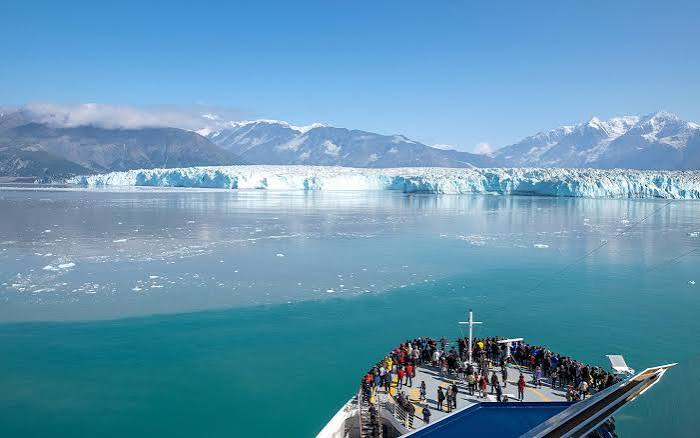
An Alaska cruise offers something that few other vacations can match: towering glaciers, dramatic mountain landscapes, abundant wildlife, and coastal communities surrounded by extraordinary natural beauty. Whether you’re watching whales surface beside the ship or admiring snow-covered peaks from your balcony, the experience can feel worlds away from an ordinary getaway.
However, timing plays an important role in shaping an Alaska cruise vacation. Weather conditions, daylight hours, wildlife activity, crowds, and excursion availability change throughout the sailing season. Understanding these differences can help travelers select dates that match their interests, expectations, and budgets.
Understanding Alaska’s Cruise Season
Alaska’s primary cruise season generally runs from May through September, although some itineraries operate in late April or early October. Unlike tropical destinations that welcome cruise passengers throughout the year, Alaska has a relatively short sailing window because of its northern climate.
Each part of the season offers something different. Early sailings may feature snow-covered mountains and quieter ports, while midsummer departures provide long days and a wider selection of outdoor activities. Late-season voyages introduce changing foliage, cooler temperatures, and a different atmosphere.
The best time to cruise Alaska ultimately depends on what travelers hope to experience. Someone interested in wildlife photography may prioritize different dates than a family planning outdoor adventures or a couple seeking a quieter vacation.
Rather than focusing exclusively on finding the warmest month, travelers should consider how seasonal conditions affect the entire itinerary.
Cruising Alaska in May
May marks the beginning of the main cruise season and can be an appealing choice for travelers who prefer fewer crowds and potentially lower fares.
The landscapes often retain a dramatic winter appearance, with snow visible on surrounding mountains. Waterfalls may become particularly impressive as spring temperatures encourage snowmelt.
Coastal communities begin welcoming cruise visitors, although some seasonal attractions and excursions may still be ramping up.
May can also offer relatively favorable precipitation patterns in parts of Southeast Alaska compared with later months, though rain remains possible.
Temperatures are generally cooler than during midsummer, making warm clothing essential.
Travelers willing to dress in layers may appreciate the peaceful atmosphere and opportunities to explore popular destinations before peak-season crowds arrive.
May is worth considering for budget-conscious travelers who value scenery and flexibility more than warm weather.
See also: Building a Mental Wellness Plan for Illinois Life
Why June Appeals to Many Travelers
June is a popular month for Alaska cruising because of its exceptionally long daylight hours.
Around the summer solstice, daylight extends well into the evening, allowing passengers more time to appreciate coastal scenery and enjoy outdoor activities.
These extended days can be particularly rewarding on itineraries featuring glacier viewing or scenic passages.
June also brings increasing access to hiking, sightseeing, and wildlife excursions.
Temperatures generally become more comfortable as summer approaches, although conditions vary significantly between destinations.
Travelers should still expect occasional rain, wind, and chilly conditions near glaciers.
One advantage of June is the opportunity to enjoy Alaska’s landscapes during a period of vibrant seasonal activity.
However, demand tends to increase as summer vacations begin, making early reservations useful for popular itineraries and accommodations.
Experiencing Alaska During July
July falls within Alaska’s peak summer travel period.
For many visitors, the combination of relatively mild temperatures, active wildlife, and extensive excursion availability makes this an attractive month.
Popular ports such as Juneau, Ketchikan, and Skagway often welcome substantial numbers of cruise passengers.
Outdoor activities may include whale-watching tours, guided hikes, kayaking, scenic rail journeys, and cultural excursions.
Wildlife viewing opportunities can be excellent, particularly for travelers interested in observing marine mammals and exploring areas associated with seasonal salmon activity.
However, sightings are never guaranteed.
July also tends to bring stronger demand for cruises and shore excursions.
Travelers considering this month should compare itineraries early and reserve especially popular activities before departure.
Those comfortable with a busier travel atmosphere may find July particularly rewarding.
What Makes August Different
August continues to offer many of the advantages of Alaska’s summer cruise season.
Wildlife excursions, glacier sightseeing, and outdoor adventures remain popular, while the landscape begins gradually transitioning toward autumn.
Daylight hours shorten compared with June and July, but there is still ample time for sightseeing.
Some areas experience increasing rainfall as the season progresses.
Travelers should prepare for changing weather rather than assuming that summer guarantees dry conditions.
August may be appealing to people who want established seasonal activities without traveling during the earliest part of summer.
It can also be a good period for certain wildlife experiences, depending on the destination and natural conditions.
As with other months, the specific itinerary often matters more than the calendar alone.
Considering a September Cruise
September brings a noticeably different character to Alaska cruising.
Temperatures become cooler, daylight hours decrease, and some landscapes begin displaying autumn colors.
The end of the primary tourist season may also bring fewer visitors and attractive pricing on certain departures.
However, September can be wetter in Southeast Alaska, and some seasonal excursions may have reduced availability.
Travelers should confirm that their preferred activities will operate during their chosen sailing.
One potential attraction is the possibility of seeing the northern lights during sufficiently dark, clear nights.
However, aurora sightings on an Alaska cruise are far from guaranteed. Cloud cover, geographic location, and the ship’s schedule all influence visibility.
September is best suited to travelers who appreciate quieter surroundings and are comfortable with unpredictable weather.
Choosing the Right Month for Wildlife
Wildlife viewing is one of the biggest reasons people choose Alaska.
Humpback whales, orcas, bears, bald eagles, sea otters, and other animals inhabit different parts of the region.
However, their activity varies by location, season, and environmental conditions.
Whale-watching excursions operate throughout much of the main cruise season, and summer offers opportunities to observe feeding activity.
Bear-viewing experiences depend heavily on the specific destination and seasonal food sources.
In some locations, salmon runs can influence when bears gather near rivers.
Travelers with a particular wildlife goal should research the excursion area rather than selecting a month based on general recommendations alone.
Experienced local guides can improve the educational value of a wildlife excursion, but nature remains unpredictable.
Understanding Glacier Viewing Conditions
Glaciers are among Alaska’s most memorable attractions.
Popular cruise itineraries may include scenic cruising near Glacier Bay, Hubbard Glacier, or other impressive ice formations.
Glacier viewing opportunities depend on the itinerary, weather, ice conditions, and applicable navigation restrictions.
Although summer provides the main cruise season, warmer temperatures don’t necessarily guarantee closer glacier access.
Ships may need to adjust their routes because of floating ice, visibility, or other safety considerations.
Travelers who consider glacier viewing a priority should examine the actual itinerary carefully.
Not every Alaska cruise includes the same scenic destinations.
Some itineraries focus more heavily on coastal ports, while others devote substantial time to glacier cruising.
Choosing the right route can be just as important as choosing the right month.
Comparing Prices and Crowd Levels
Cruise prices are influenced by several factors, including departure dates, cabin categories, itinerary popularity, and booking demand.
May and September are often considered shoulder-season months and may offer opportunities for savings.
June, July, and parts of August generally attract strong summer demand.
However, lower advertised fares don’t always mean lower total vacation costs.
Travelers should consider airfare, hotel accommodations, gratuities, shore excursions, specialty dining, and other potential expenses.
Crowd levels also vary by ship and port schedule.
A smaller vessel may create a different onboard atmosphere from a large resort-style ship, regardless of departure month.
Comparing the complete travel experience provides a better basis for choosing between sailings.
Packing for Alaska’s Changing Weather
Even during the warmest months, Alaska’s weather can change quickly.
A sunny afternoon in port may be followed by rain or strong winds, while glacier-viewing areas can feel considerably colder than nearby towns.
Layered clothing is generally the most practical approach.
Travelers should consider a waterproof outer jacket, comfortable walking shoes, insulating layers, and clothing suitable for indoor activities.
Binoculars can enhance wildlife viewing, and a camera with appropriate protection may be useful during wet conditions.
Passengers planning outdoor excursions should review the activity provider’s recommendations before packing.
Preparing for different conditions allows travelers to enjoy the scenery without being distracted by discomfort.
Selecting a Season That Fits Your Priorities
There is no universally perfect month for an Alaska cruise.
May can appeal to travelers seeking quieter ports and spring scenery. June offers remarkable daylight, while July and August provide extensive summer activity options. September introduces cooler weather, changing landscapes, and potential shoulder-season savings.
The ideal choice depends on personal interests, budget, tolerance for crowds, and preferred excursions.
Travelers should also compare routes, ship amenities, and time spent in each port.
By considering the full experience rather than focusing on temperature alone, passengers can select a departure that provides the kind of Alaska adventure they want to remember.