Basement Flood Cleanup: Essential Steps for Safe Water Damage Recovery
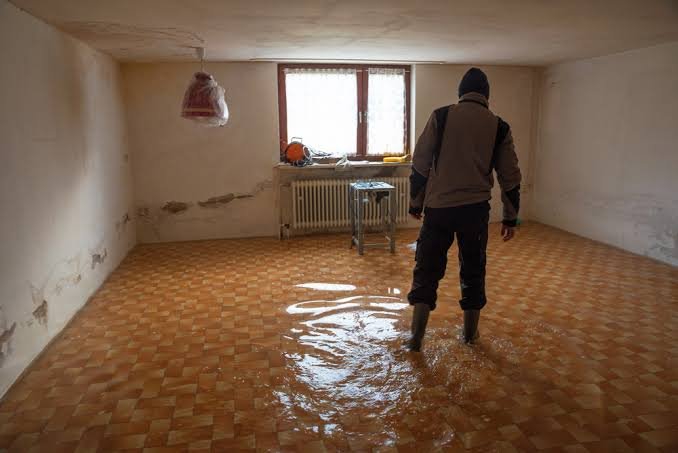
Discovering a flooded basement can be overwhelming, particularly when water has reached flooring, furniture, storage boxes, and electrical equipment. The visible damage may represent only part of the problem because moisture can travel into concealed building materials. Effective basement flood cleanup involves more than removing standing water. Understanding the recovery process helps homeowners protect their health, identify hidden damage, and reduce the likelihood of future flooding.
Safety Comes Before Water Removal
A flooded basement may contain electrical, structural, and contamination hazards.
Before entering the affected space, determine whether it is safe to do so.
Electrical Hazards
Standing water near outlets, appliances, electrical panels, or exposed wiring can create dangerous conditions.
Never enter flooded areas where electrical equipment may be energized.
Electrical isolation should be handled from a safe location by an appropriately qualified person.
Contaminated Water
Floodwater may contain sewage, chemicals, soil, or harmful microorganisms.
Water entering through a sewer backup should be treated as potentially hazardous.
Avoid direct contact and keep children and pets away from affected areas.
Structural Concerns
Significant flooding may weaken certain building materials or create unsafe conditions.
Sagging ceilings, displaced walls, and unusual structural movement require professional evaluation.
Identifying the Source of Flooding
Basement flood cleanup should begin with understanding why water entered.
Possible causes include plumbing failures, sewer backups, foundation seepage, and surface runoff.
Plumbing Failures
A damaged supply pipe can release water continuously until the flow is isolated.
If accessible and safe, shutting off the appropriate valve can help limit additional damage.
Foundation Water Intrusion
Water entering through foundation openings may continue until surrounding moisture conditions change.
Repeated seepage suggests that drainage or foundation defects require investigation.
Sewer Backups
Wastewater entering through basement drains presents additional health concerns.
Affected materials may require specialized cleaning or disposal.
Removing Standing Water
Once the area has been assessed and made safe, water removal can begin.
The appropriate method depends on water depth, contamination, and surrounding building conditions.
Small amounts of clean water may be manageable with suitable equipment.
Extensive flooding or contaminated water requires greater caution.
Why Rapid Removal Matters
Standing water can penetrate porous materials.
Flooring, drywall, insulation, and wood components may retain moisture after the visible water disappears.
Delays can increase deterioration and complicate drying.
Drying the Basement Thoroughly
Removing standing water does not mean the basement is dry.
Moisture may remain beneath flooring, inside wall cavities, and around framing.
Effective drying requires attention to hidden areas and appropriate environmental conditions.
Ventilation and Humidity Control
Air movement and humidity management can support drying when conditions are safe.
However, ventilation alone may not adequately dry concealed materials.
Inspecting Porous Materials
Some materials absorb water readily and may be difficult to restore after contamination.
Their condition, exposure duration, and water source influence whether they can be retained.
Cleaning and Assessing Damage
Basement flood cleanup may involve cleaning affected surfaces, evaluating damaged belongings, and removing materials that cannot be safely restored.
Contaminated areas require suitable precautions.
Avoid mixing household cleaning chemicals, particularly products containing bleach and ammonia.
Preventing Recurring Moisture
After the basement has dried, investigate the original flooding source.
Without correcting the cause, new interior finishes may become damaged during the next incident.
A local basement water damage assistance listing can help homeowners explore relevant support.
Planning for Future Flood Prevention
Inspect exterior drainage, monitor foundation cracks, and maintain accessible plumbing connections.
Properties with sump pumps should have their systems checked periodically.
Where sewer backups have occurred, investigate whether appropriate backwater protection is feasible.
Keep valuable belongings elevated in areas with a history of water intrusion.
Conclusion
Successful basement flood cleanup requires a careful approach to safety, water removal, drying, contamination, and damage assessment. Addressing only visible water can leave hidden moisture behind. By identifying the flooding source and taking appropriate preventive measures, homeowners can support safer recovery and reduce the risk of repeated basement damage.