How Alcohol Affects the Brain and Body Over Time
Most people think about hangovers when they think about the downsides of drinking. Headache, dry mouth, a lost afternoon. But the biological story of what alcohol actually does to the human body runs a lot deeper than that, and understanding it can genuinely change the way someone thinks about their relationship with drinking.
This article breaks down how alcohol interacts with the brain and body, what happens during both occasional and heavy use, and why some of the risks catch people completely off guard. No scare tactics, just physiology explained clearly.
What Alcohol Actually Does Inside the Brain
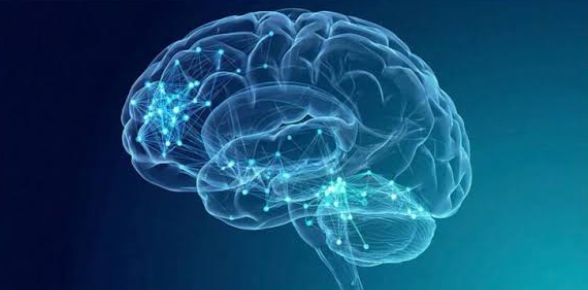
Alcohol is a central nervous system depressant. That label gets thrown around a lot, but what it means in practical terms is that alcohol slows down the communication between neurons. It does this primarily by enhancing the effect of GABA, an inhibitory neurotransmitter, while simultaneously suppressing glutamate, which is excitatory. The net result is the familiar feeling of relaxation, reduced inhibition, and slowed reaction time.
At low doses, the prefrontal cortex, the region responsible for decision-making and impulse control, gets hit first. That is why a drink or two can make someone feel more social and less worried about consequences. At higher doses, the effects spread to areas controlling balance, memory, and eventually breathing. This is why severe intoxication can become medically dangerous quickly.
Dopamine also plays a role. Alcohol triggers a dopamine release in the brain’s reward circuit, reinforcing the behavior and making drinking feel pleasurable. Over time, the brain begins to adjust its baseline chemistry around regular alcohol exposure, which is where physical dependence starts to take shape.
Short-Term Effects: Beyond the Buzz
The short-term effects of alcohol extend well past what most people notice in the moment. Blood alcohol concentration, commonly written as BAC, determines which systems are affected and to what degree. The table below outlines what typically happens at different BAC levels, though individual responses vary based on body weight, tolerance, food intake, and other factors.
| BAC Range | Common Effects |
| 0.02 to 0.05% | Mild relaxation, slight mood lift, reduced inhibition |
| 0.06 to 0.10% | Impaired coordination, slower reaction time, reduced judgment |
| 0.11 to 0.15% | Slurred speech, balance problems, significant memory impairment |
| 0.16 to 0.25% | Disorientation, nausea, blackout risk, severe motor impairment |
| 0.26% and above | Loss of consciousness, dangerous respiratory depression, risk of death |
Blackouts deserve a specific mention because they are often misunderstood. A blackout is not passing out. It is a period of anterograde amnesia, meaning the brain stops forming new memories while the person remains awake and even appears functional. Blackouts can begin at BAC levels as low as 0.14%, according to research published by the National Institute on Alcohol Abuse and Alcoholism (NIAAA).
Long-Term Effects on Major Organ Systems
Chronic heavy drinking reshapes the body systematically. The liver takes on most of the metabolic burden since it processes roughly 90% of consumed alcohol, but it is far from the only organ affected.
The Liver
Liver damage from alcohol progresses through distinct stages: fatty liver, alcoholic hepatitis, and cirrhosis. Fatty liver is largely reversible with abstinence. Cirrhosis, the scarring of liver tissue, is not. The World Health Organization estimates that alcohol is responsible for approximately 50% of liver cirrhosis deaths globally. That is a staggering number, and it underscores how seriously prolonged heavy drinking taxes this organ.
The Heart and Cardiovascular System
The relationship between alcohol and heart health is complicated. Low to moderate drinking has been associated in some studies with a modest reduction in cardiovascular risk, but the picture shifts significantly with heavy use. Chronic heavy drinking can lead to cardiomyopathy, a weakening of the heart muscle, as well as arrhythmias and elevated blood pressure. The American Heart Association does not recommend alcohol consumption as a heart-health strategy precisely because the risks at higher volumes outweigh any potential benefit.
The Brain Over Years
Sustained heavy drinking causes structural changes in the brain. Imaging studies have shown shrinkage of brain volume in long-term heavy drinkers, particularly in the prefrontal cortex and hippocampus, areas tied to memory, learning, and executive function. The good news is that some of this damage is partially reversible after sustained sobriety, especially in the first year of abstinence.
Alcohol Dependence and What Withdrawal Really Means
When someone drinks heavily over an extended period, the brain compensates for the constant suppression of glutamate by upregulating its own excitatory activity. In simple terms, the nervous system ramps up its baseline excitability to counteract the depressant effects of alcohol. This adaptation is the biological foundation of physical dependence.
When that person stops drinking suddenly, the suppressing effect of alcohol disappears, but the nervous system’s heightened excitability does not vanish immediately. The result is a rebound of excitation that can manifest as anxiety, tremors, sweating, elevated heart rate, and in serious cases, something far more alarming. Discussions around seizures from alcohol withdrawal are particularly important because they can occur within 24 to 48 hours after the last drink and represent one of the most medically serious aspects of alcohol dependence.
This is why alcohol withdrawal is genuinely different from withdrawal from most other substances. Opioid withdrawal is painful and distressing, but it is rarely life-threatening in otherwise healthy adults. Alcohol withdrawal can be. Anyone who suspects they are physically dependent on alcohol should consult a medical professional before attempting to stop drinking abruptly.
The Spectrum of Alcohol Use: Who Is Actually at Risk
A common misconception is that only people who drink daily or who fit a certain social profile are at risk for alcohol-related health problems. The reality is more nuanced. Binge drinking, defined by the NIAAA as reaching a BAC of 0.08% or higher, which typically means four drinks for women and five for men within about two hours, carries its own risks even among people who drink infrequently.
- Binge drinking accounts for more than half of the approximately 95,000 alcohol-attributable deaths per year in the United States, according to the CDC.
- Alcohol use disorder (AUD) affects an estimated 29.5 million people in the US, based on 2021 NIAAA survey data.
- Only about 7% of people with AUD receive any form of treatment in a given year.
- Young adults aged 18 to 25 have the highest rates of binge drinking of any age group.
- Genetics account for roughly 50% of a person’s risk for developing AUD, according to the American Psychological Association.
Risk does not require daily heavy drinking. Patterns matter, context matters, and so does personal biology. Two people can drink the same amount over the same period and have meaningfully different outcomes based on genetic factors, mental health history, and even gut microbiome composition.
See also: Mind-Body Connection: How Mental Health Really Works
What Recovery and Healing Actually Look Like
The brain and body have a remarkable capacity for recovery after alcohol use stops, though the timeline and degree of healing depend on how long and how heavily someone drank. Some changes reverse relatively quickly, while others take months or years.
- Days 1 to 7: Acute withdrawal symptoms peak and begin to subside. Sleep is often disrupted during this window.
- Weeks 2 to 4: Mood begins to stabilize as neurochemistry adjusts. Cravings may still be strong.
- Months 1 to 3: Liver enzyme levels often normalize in people without advanced liver disease. Cognitive function begins to improve.
- Months 3 to 12: Brain volume studies show measurable increases in gray matter density in sustained abstinence. Sleep architecture continues to improve.
- Year 1 and beyond: Many people report significant improvements in memory, emotional regulation, and overall quality of life.
These timelines are averages, not guarantees. Factors like age, nutritional status, co-occurring mental health conditions, and whether medical support was available during withdrawal all shape how recovery unfolds for any individual.
Understanding the biology of alcohol, from what it does to a neuron in the first hour after a drink to what decades of heavy use can mean for organ health, gives people a clearer foundation for making informed decisions. The science is not intended to frighten anyone. It is simply useful information that often gets lost in cultural conversations about drinking that treat alcohol as uniquely separate from other health considerations. The body does not see it that way, and neither should anyone trying to understand their own health.