A Weekend Away Without a Flight: What Travellers Save by Staying Grounded
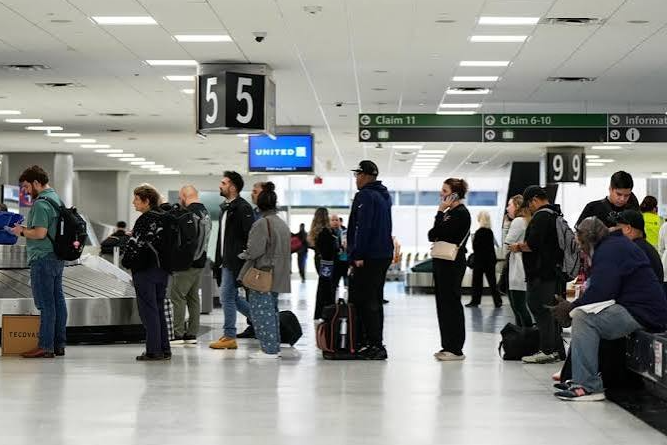
Flights are often the first thing booked and the first thing to go wrong. For a short break, the journey can take as much time as the holiday itself. Early check-ins, security queues and baggage rules eat into the hours, and delays can leave a weekend trip feeling like a rushed dash. For a growing number of travellers, the answer is to skip the plane altogether.
The Hidden Time Cost of Flying
A two-hour flight can easily become six or seven once airport travel, check-in, security, boarding and the transfer at the other end are counted. On a weekend away, that’s a big chunk of the available time. A Friday evening departure may mean landing late, and a Sunday return can eat into the final day.
The cost adds up too. Cheap fares become less cheap with seat selection, cabin bags and hold luggage. Airport parking or train fares add more, and ground transport at the destination pushes the figure higher still.
Sea as an Alternative
One option is a short sailing from a UK port. When comparing weekend cruise deals with a flight-based city break, the difference is that the ship is both transport and accommodation. There’s no airport and no luggage limit to worry about, and the journey itself becomes part of the experience.
Departure ports such as Southampton, Tilbury, Dover and Portsmouth are accessible by road and rail, which cuts out the need for internal flights or long transfers.
See also: Building a Mental Wellness Plan for Illinois Life
Packing Without Limits
Without airline restrictions, packing is simpler. A full-sized bottle of shampoo, an extra pair of shoes and a proper coat can all come along. There’s no need to weigh cases or repack at the check-in desk.
That said, cabins are compact, so it still pays to pack with care. Soft bags are easier to stow than rigid suitcases, and a small day bag keeps essentials close during embarkation.
Documents and Practicalities
Even without a flight, passports are normally required, as most short itineraries visit ports abroad. Checking that the passport is valid and that any entry rules are met avoids last-minute problems. Insurance should cover cancellation and medical care.
Allow plenty of time to reach the port. Check-in windows are typically fixed, and missing them can mean missing the sailing. Arriving a little early removes the pressure and gives time to settle in.
Other Ways to Avoid the Airport
A ship isn’t the only alternative. Rail has expanded its appeal for short trips across the UK and into Europe, with direct services between several major cities. Coaches offer low fares, although journeys can be long. Driving gives flexibility, particularly for groups sharing fuel costs, but it brings parking and traffic to the equation.
Each mode suits different travellers. Rail rewards those who like scenery and a smooth city-centre arrival, coaches suit tight budgets, and ferries or ships fit those who want an overnight stay to be part of the journey.
Cost Comparison Tips
Comparing a flight-based break with an alternative requires a full sum. Add the flight, bags, transfers, insurance and accommodation at the destination, then compare it with the all-in price of a sailing plus travel to the port. The totals can be surprisingly close, and the difference in stress levels is often the deciding factor.
Time has value too. If a flight adds half a day to the trip on each end, a slower but simpler alternative may give more usable hours at the destination.
Green Considerations
Short-haul flights are often among the most carbon-intensive ways to travel per passenger kilometre, and many travellers are reassessing them as a result. Cruising has its own environmental challenges, so it’s not a simple swap. Rail and coach tend to be the lowest-impact choices on land, and it’s worth looking into the latest efficiency measures from any operator before choosing.
Weather and Disruption
Disruption affects every mode of transport. Flights can be delayed or cancelled by fog, storms and strikes, while ships can alter itineraries in rough seas. The difference is how problems are handled. A delayed flight can leave passengers stranded in a terminal, while a ship delay usually means a few extra hours of comfortable surroundings, with food and a cabin already available.
It’s still worth checking the forecast and the operator’s policies before departure, and building a little slack into any plans for the days after returning.
Planning Your Return Journey
The trip home matters as much as the departure. Check the return time, the distance from the port to the front door and any rail restrictions on a Sunday evening. A smooth finish keeps the whole weekend feeling relaxed, and there’s something to be said for arriving home without the dread of a delayed flight and a late-night baggage carousel.
Staying grounded isn’t always cheaper or quicker, and it doesn’t suit everyone. Seas can be rough, and some people find life on board too busy. Flights remain the best option for distant destinations or very short trips to a single city.
But for travellers who value a smoother journey and a stress-free start, avoiding the airport can be a welcome change, and a weekend at sea can feel longer than the clock suggests.