What Should Be Included in a Complete Attic Cleaning Service in Houston?
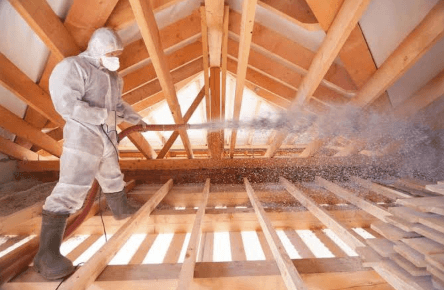
Houston’s humidity, heat, and pest pressure make attics one of the most neglected – and most problematic – spaces in any home. What looks like a dusty storage area can actually harbor mold, rodent waste, collapsed insulation, and air leaks that push your energy bills up every month.
A complete attic cleaning service in Houston covers far more than a vacuum and a broom. Here are six things you should expect when you hire a qualified crew to handle the job right.
Thorough Debris Removal and Attic Vacuuming
Any legitimate attic job starts with a full sweep of the floor – loose debris, animal droppings, dead insects, dust buildup, and whatever else has accumulated over the years. When you look at what professional attic cleaning in Houston crews do on a proper job, debris removal always comes first, and it demands industrial-grade HEPA vacuums – not a shop vac from the hardware store. HEPA filtration matters because attic dust routinely carries allergens, mold spores, and rodent particulates that a standard vacuum just pushes back into the air you breathe. A thorough crew works from the far corners inward, pulling material out through a contained system so nothing spreads into your living space mid-job. Watch for technicians inspecting corners, eaves, and areas near venting as they work; debris tends to concentrate near air gaps and animal entry points.
Old or Damaged Insulation Removal
Attic insulation doesn’t last forever. In Houston’s climate, it breaks down faster than it would in cooler regions, where moisture and temperature swings are less punishing. Moisture absorption, pest activity, and plain old age can compress blown-in insulation to a fraction of its original R-value, meaning it’s no longer doing the thermal job it was installed to do. A complete service includes a full assessment of existing insulation, and where it’s damaged or contaminated, everything comes out before anything new goes in. You can’t just pile fresh material on top of compromised insulation and expect good results; you’d be sealing moisture and contaminants in place. The removal process uses commercial-grade vacuums vented to the outside, and the old material gets bagged and disposed of correctly. Don’t accept a quote that skips this step; layering new insulation over rodent-contaminated material is a shortcut that creates far bigger problems down the road.
Mold Inspection and Remediation
Houston’s humid subtropical climate makes attics the first place mold takes hold when ventilation falls short or a slow roof leak goes unnoticed. A complete attic cleaning service includes a real mold inspection, not just a visual pass, but a proper check of the decking, rafters, and any surfaces showing moisture staining. Remediation has to happen before insulation goes back in. That means treating affected surfaces with appropriate antimicrobial agents, allowing adequate drying time, and confirming the underlying moisture source has actually been fixed. Organic, eco-friendly treatment products are worth asking about, since harsh chemical biocides can off-gas into your living space through ceiling penetrations. Mold remediation isn’t optional when spores are present. Skip it, and the colony regrows beneath your new insulation within a single Houston summer.
See also: Online Business Loan Edmonton: A Convenient Way to Explore Business Financing
Pest and Rodent Contamination Treatment
Rats, mice, squirrels, and raccoons treat unprotected Houston attics as prime real estate. Beyond structural damage, rodents leave behind feces, urine, nesting material, and sometimes carcasses, all of which carry pathogens and attract other pests. A complete service identifies active or past infestations, clears out all contaminated material, and treats the space with appropriate sanitizing agents before any new insulation goes in. Entry point identification is part of that work too. If the crew doesn’t find and recommend sealing the gaps these animals used, you’ll face the same infestation within months. Ask whether the company handles the pest component in-house or subcontracts it, because coordination between the cleaning and the exclusion work matters for the final result.
Air Sealing Around Penetrations and Gaps
Most homeowners don’t realize how many air gaps exist in a typical attic floor – around recessed lights, plumbing stacks, electrical runs, HVAC boots, and the top plates of interior walls. Those gaps bleed conditioned air straight into an unconditioned attic space, and in a Houston summer that translates to real money wasted on cooling. Air sealing should be a distinct step in any complete attic cleaning service, done before insulation gets reinstalled. Technicians use expanding foam or fire-rated caulk to close penetrations, paying close attention to spots that also allow pest entry. Done properly, air sealing can cut energy loss significantly – the U.S. Department of Energy notes that sealing and insulating the attic is often the single most cost-effective energy upgrade a homeowner can make. Don’t let a crew skip it just because it adds time to the job.
Fresh Insulation Installation to the Right R-Value
Once the attic is clean, dry, sealed, and treated, new insulation can go in. For Houston’s climate zone, the U.S. Department of Energy’s Climate Zone 2 guidelines recommend R-38 to R-60 for attic insulation. Blown-in cellulose or fiberglass are both common choices; the right pick depends on your attic’s geometry, existing framing, and budget. A legitimate provider specifies the material, the coverage depth, and the resulting R-value in writing before the job starts – not after. That spec sheet protects you if the result doesn’t match what was promised. Installation should be even across the floor with no gaps near eaves, and the crew should leave the access hatch area properly insulated and weatherstripped as well. Anything less is an incomplete job.
Conclusion
A complete attic cleaning service in Houston covers debris removal, old insulation extraction, mold inspection, contamination treatment, air sealing, and proper insulation reinstallation. Each step depends on the one before it. That’s why skipping any part of the process tends to undo the value of everything else. Ask any provider you’re considering for a written scope of work that spells out all six components; a quote that leaves any of them out isn’t a bargain; it’s just an incomplete service.