Exterior House Painting – A Complete Guide to Transforming Your Home’s Appearance
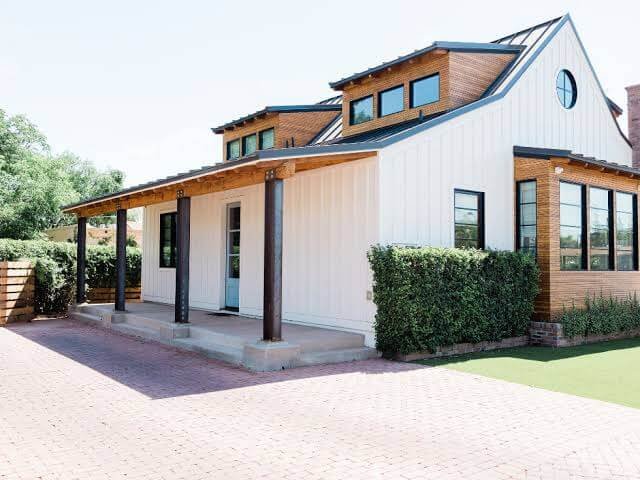
The outside of a house tells a story before anyone walks through the front door. Faded walls, peeling finishes, and weathered trim can make an otherwise attractive property appear neglected. Fortunately, thoughtful painting can dramatically improve its appearance while helping preserve exposed surfaces.
Successful exterior house painting begins long before the first brushstroke. From evaluating the building’s condition to selecting suitable colours and planning around weather conditions, every stage influences the final outcome.
Understanding the Exterior House Painting Process
A durable exterior finish depends on a sequence of carefully managed steps. Rushing directly into application often produces disappointing results.
Step 1: Inspect the Exterior
Begin by examining walls, siding, trim, window frames, and other exposed elements.
Look for peeling coatings, cracks, mildew, water stains, and damaged materials. These conditions may indicate underlying problems that require attention before painting.
Step 2: Clean the Surfaces
Outdoor surfaces accumulate dirt, pollen, and environmental residue.
Cleaning removes contaminants that could interfere with adhesion. The cleaning method should suit the surface material to avoid unnecessary damage.
Step 3: Repair Damaged Areas
Cracks, deteriorated caulking, and loose coatings should be addressed before painting begins.
Minor repairs help create a more uniform surface and reduce the likelihood of visible imperfections.
Step 4: Prepare and Prime
Sanding rough areas and applying appropriate primer where necessary can improve adhesion and promote consistent coverage.
Not every surface requires the same preparation method. Existing coatings and substrate conditions determine the appropriate approach.
Step 5: Apply the Finish
Exterior house painting should proceed under suitable weather conditions. Consistent application, appropriate drying intervals, and careful attention to edges help create a professional-looking result.
Choosing Colours That Complement Your Home
Colour selection plays a major role in the overall appearance of a property.
Consider Architectural Style
Traditional homes often benefit from balanced colour combinations that emphasize architectural details. Contemporary properties may suit simpler palettes with stronger contrasts.
The goal is to create visual harmony rather than follow temporary trends.
Observe Natural Lighting
Exterior colours can appear different throughout the day. Direct sunlight may make shades appear brighter, while shadows can deepen their appearance.
Testing sample colours in several locations helps homeowners understand how the finish will look under changing lighting conditions.
Coordinate Permanent Features
Roofing, stonework, pathways, and other fixed elements should influence colour choices.
A coordinated palette creates a more unified appearance and prevents competing visual elements.
How Weather Influences Exterior House Painting
Weather conditions can significantly affect coating performance.
Rainfall may interfere with freshly applied finishes, while excessive humidity can slow drying. Very high or low temperatures may also affect application and curing.
For this reason, exterior house painting should be scheduled according to the coating manufacturer’s recommended conditions.
Homeowners should also consider shaded walls, direct sunlight, and overnight temperature changes when planning the work.
Areas That Need Extra Attention
Some exterior features experience greater environmental exposure than others.
Window and Door Trim
Trim often contains joints and edges where moisture can accumulate. Careful preparation and neat application help maintain these highly visible details.
Fascia and Soffits
These elevated areas may experience moisture exposure and weather-related deterioration. Inspection helps identify potential concerns before finishing.
Exterior Corners and Edges
Corners frequently show signs of wear because they remain exposed to changing conditions. Consistent coating coverage is particularly important in these locations.
Keeping Painted Exteriors Looking Fresh
Exterior house painting is only one part of maintaining a property’s appearance.
Routine inspections help identify fading, cracks, peeling, and moisture-related issues. Gentle cleaning can remove accumulated dirt without unnecessarily damaging the finish.
Homeowners should also maintain drainage systems and address water intrusion promptly.
Conclusion
Exterior house painting offers an opportunity to refresh a home’s appearance while supporting the protection of exposed materials. The most successful projects combine thoughtful colour selection, careful preparation, suitable weather conditions, and consistent application.
With regular maintenance and attention to early signs of deterioration, homeowners can preserve an attractive exterior for years to come.