How to Select a Bag That Combines Practicality and Personal Style
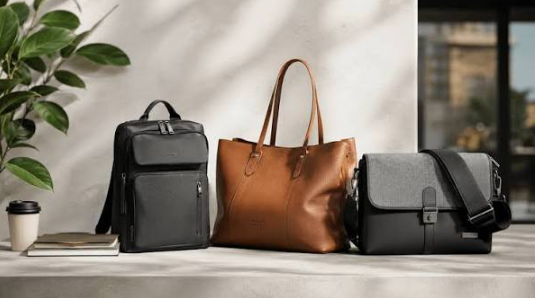
Choosing a bag involves balancing appearance with the practical demands of everyday life. Some people need a spacious design for work and shopping, while others prefer a compact accessory for short outings. Understanding the differences between bag styles can help shoppers identify an option that meets their needs.
A good bag should be comfortable to carry, appropriately sized and made from materials suited to its intended use. Design details such as handles, closures and compartments can also influence how convenient it is.
Start With Your Daily Routine
Think about the activities for which you will use the bag most often.
A person commuting to work may need room for documents, a notebook and personal accessories. Someone who enjoys shopping may prefer a larger compartment, while a person attending social events may need only a few essentials.
Identifying these requirements helps determine whether a compact handbag, shoulder bag or tote is the most appropriate choice.
Compare Different Bag Styles
Each bag style offers different advantages.
A handbag with short handles may provide a polished appearance and suit several occasions. Shoulder bags can offer convenient access to personal belongings, while crossbody designs allow hands-free movement.
Tote bags are often selected for their spacious interiors and straightforward construction. Mini bags provide a compact alternative when only essential items are required.
Rather than choosing based on trend alone, compare how each style fits your regular activities.
Choosing the Right Size and Shape
Dimensions should be considered carefully before purchasing.
The height, width and depth determine how much a bag can hold. The shape can also influence how efficiently the interior space is used.
A structured design may keep its form when placed on a flat surface, while a softer bag can adapt more easily to its contents.
Think about the items you normally carry and check whether they fit comfortably without stretching or distorting the bag.
Materials and Finish
Material selection affects appearance, weight and maintenance.
Leather is available in smooth, grained and other finishes. Canvas and textile designs may provide a lighter or more casual look, while combinations of materials can create distinctive details.
Check the manufacturer’s material description and care recommendations. This is especially important when selecting a bag that will be used regularly.
Functional Details Worth Comparing
A bag’s smaller design features can have a major effect on everyday use.
Look at the following elements:
- Handle length and attachment
- Strap width and adjustability
- Interior pockets and dividers
- Zipper or magnetic closure
- Base construction
- Interior lining
- Empty weight
- Ease of opening and closing
These details can help determine whether a bag will be comfortable and practical.
Colour and Wardrobe Coordination
Colour selection can influence how frequently a bag is used.
Neutral colours often work with a variety of outfits, while brighter shades can create a more distinctive appearance. The shape and finish should also complement your usual clothing choices.
If you want a bag for several settings, consider a design that can transition between casual and more formal occasions.
Exploring Tote Bag Collections
Shoppers considering a tote bag can review the available product range and compare individual designs.
Check the exact product category and specifications, including dimensions, materials, handle design and interior layout. A product’s name alone may not explain its complete shape or carrying features.
Review the manufacturer’s information and purchasing conditions before making a decision.
Care and Storage
The right maintenance routine depends on the material.
Leather products may require specific cleaning and conditioning methods, while textile bags can have different washing or spot-cleaning instructions. Always follow the manufacturer’s guidance.
Store bags in a dry place away from excessive sunlight and heat. Keep them supported to help maintain their shape, and avoid overloading handles or straps.
FAQs
1. Which bag style is best for everyday activities?
The best style depends on what you carry and how you move throughout the day. Totes offer space, shoulder bags provide convenient access and mini bags suit lighter carrying needs.
2. How do I choose a bag that matches different outfits?
Consider your wardrobe colours, preferred clothing styles and the occasions for which the bag will be used. A versatile shape and understated colour may provide flexibility.
3. Why are product dimensions important?
Dimensions help you understand the actual capacity and proportions of a bag. They can prevent disappointment when a product looks larger or smaller in photographs.
Conclusion
Selecting a practical bag requires attention to daily needs, dimensions, material and construction. Comparing different styles and their functional details can help shoppers find an accessory that complements personal style while supporting everyday activities. Suitable care and storage can help preserve its condition.