Travel Lighter and Explore More: A Practical Guide to Handling Your Bags in Rome
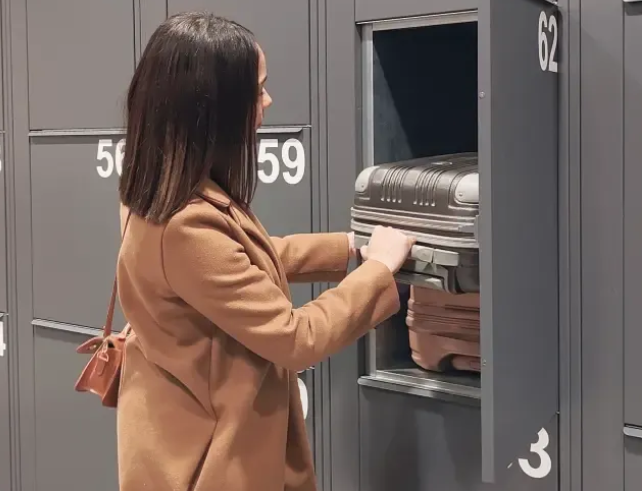
Rome rewards visitors who walk, wander, and linger. Its cobblestone streets, crowded metro cars, and ancient sites are best enjoyed when your hands and shoulders are free. Yet most travelers arrive with suitcases, backpacks, and souvenirs, and the gap between hotel checkout and an evening train or flight can leave hours of sightseeing time complicated by heavy bags. This guide explains how to manage your belongings in the Eternal City, what options exist, what they cost, and how to choose the safest solution for your trip.
Why Leaving Your Bags Behind Makes Sense
Rome is a city best explored on foot, and many of its famous landmarks sit on uneven surfaces, steep staircases, and narrow lanes. Dragging a suitcase over the cobblestones near the Pantheon or up the steps toward the Spanish Steps is tiring and slows you down. Luggage storage in Rome gives travelers a simple way to keep their belongings secure while they enjoy the city with nothing but a small daypack. It is especially useful on arrival day, when hotel rooms are often not ready until mid afternoon, and on departure day, when checkout is typically around 11 in the morning but your train or flight may not leave until the evening.
There are also practical safety benefits. Crowded areas such as the Colosseum, Trevi Fountain, and Termini station attract pickpockets, and carrying everything you own makes you a more obvious target. Leaving your main bags in a secure facility lets you move through busy places with less to worry about, and many museums and religious sites do not allow large bags inside at all. Vatican museums, for example, enforce strict limits on bag size, so having a place to leave larger items saves time at security.
Where to Find Storage Options
Travelers in Rome generally have four choices, each with its own strengths.
Station facilities. Roma Termini, the main railway hub, has a staffed left luggage service near the platforms. It is convenient if you are arriving or leaving by train, though queues can be long in high season, and security screening is required for each bag.
Airport services. Both Fiumicino and Ciampino offer left luggage desks. These suit travelers with long layovers who want to visit the city briefly, but they are not helpful if you want to store bags near the historic centre.
Hotels. Many hotels will hold bags for guests before check in or after checkout, often at no charge. This is the simplest option if you are staying in one place, but it usually does not help if you have already left your accommodation or plan to move between cities.
Independent storage points. Shops, cafes, and dedicated businesses across the city, often near major attractions and transport links, offer secure bag drop services through online booking. These locations tend to have flexible hours and are spread throughout central neighborhoods, so you can drop off your luggage close to where you will spend the day.
Understanding Costs and What to Expect
Prices vary by provider and location, but a few general patterns apply. Station and airport facilities usually charge per bag for each period of several hours, with rates that rise the longer you stay. Independent points often charge a flat daily rate per item, which can be better value if you plan to leave bags for a full day. Expect to pay somewhere between 5 and 15 euros per bag per day, depending on size and service level.
Before you drop off, check a few details. Confirm the opening and closing hours so you are not locked out of your belongings when you return. Ask whether there are size or weight limits, and whether larger items such as strollers or sports equipment are accepted. Find out if insurance or a declared value limit applies, and keep your receipt or booking confirmation in a safe place. Booking in advance, especially in summer and around holidays, helps you secure a spot and often saves money compared with walking up on the day.
Tips for Choosing a Safe and Reliable Service
A few simple checks can help you avoid problems.
- Look for clear reviews from recent travelers that mention security, staff helpfulness, and ease of collection.
- Make sure bags are stored out of public view, ideally in a locked room or sealed locker.
- Choose a location that is easy to reach by public transport, so you do not lose time returning for your things.
- Avoid leaving valuables, passports, medication, and electronics in your stored luggage. Carry these items with you in a small, secure bag.
- Use a lock or tamper evident tag if the provider allows it, and photograph your bag before handing it over.
It also helps to label each bag with your name and phone number, and to keep a copy of your reservation details on your phone. If your plans change, contact the provider early, because many services offer simple adjustments to pickup times.
Planning Your Day Around Rome’s Main Sights
Once your bags are secure, you can build a flexible itinerary. Start early at a major site such as the Colosseum and Roman Forum, where lines grow quickly after 9 in the morning. Move on to the Capitoline Hill for panoramic views, then walk toward Piazza Navona and the Pantheon for lunch. In the afternoon, cross the Tiber to Trastevere, a neighborhood known for narrow lanes, local trattorias, and a relaxed atmosphere that suits an unhurried stroll.
If you are visiting the Vatican, allow plenty of time for security checks and museum queues, and wear comfortable shoes, since the walking distances inside St. Peter’s Basilica and the museums are considerable. Build in breaks for gelato, coffee, or a seat near a fountain, and drink from the free public drinking fountains known as nasoni, which dot the city. Returning to collect your belongings is much easier when you have planned the route in advance, so check the opening times of your storage point and allow a little extra time for transit.
Conclusion
Rome is a city that invites you to slow down and take in its history, food, and daily life, and heavy bags only get in the way. By understanding the available options, comparing costs, and choosing a secure and convenient location, you can free yourself to enjoy every hour of your trip. Luggage storage in Rome is a practical, affordable solution that turns awkward gaps between checkout and departure into valuable sightseeing time. Plan ahead, keep your essentials with you, and let the city be your focus instead of your suitcase.