5 Ways Digital Bite Analysis Improves Denture And Implant Planning
You might already be dealing with enough. Missing teeth change how you eat, how you speak, and sometimes how comfortable you feel smiling in a room full of people. Then you sit down to talk about dentures or implants, including options for implant dentistry in Fresno, and hear words like bite registration, occlusion, jaw relation, and scan accuracy. It can feel like one more thing that has to go exactly right or the whole plan gets harder, slower, and more expensive.
That concern is real. A denture or implant plan is not just about replacing teeth. It is about how your upper and lower jaws meet, how pressure spreads when you chew, and whether the final result feels stable instead of strained. Digital bite analysis helps a denture and implant dentist measure those details with more precision, which can reduce guesswork and support a treatment plan that fits your mouth and your daily life better.
Digital bite analysis gives denture and implant planning a clearer starting point
Traditional bite records can work well, but they depend heavily on materials, technique, timing, and how consistently you close your mouth during the appointment. Small errors at the start can carry through the whole process. A denture may look right on a model and still feel off when you chew. An implant restoration may be strong and well placed, yet your bite can make it feel awkward or overloaded.
Digital bite analysis changes the starting point. It captures how your teeth or ridges contact, how force is distributed, and where your bite may be unbalanced. That matters when a dentist is planning full dentures, implant supported dentures, single implants, or a larger restorative case. If one side hits first every time, the jaw can shift. If too much force lands on one implant crown, the surrounding structures can take more stress than they should.
For patients, this often means fewer surprises. You are less likely to hear that things looked fine on paper but need repeated chairside adjustments after delivery.
Balanced force distribution helps protect dentures, implants, and sore jaw joints
One of the biggest benefits of digital bite analysis is force mapping. It shows where pressure is high and where contact is missing or delayed. That sounds technical, but the day to day effect is simple. Better balance usually means better comfort.
If you have worn a denture that rocks when you bite into food, you know how frustrating that is. If you have ever had one spot that keeps rubbing or one side that always feels heavier, your bite may be part of the problem. With implants, uneven force can matter even more because implants do not cushion pressure the way natural teeth do. They are stable, but they rely on careful planning and controlled loading.
Research on digital occlusal analysis has shown it can improve the detection of contact timing and force distribution beyond what articulating paper alone can provide. You can review one published study on digital occlusal analysis and bite force assessment to see how these tools support a more objective evaluation.
Better bite data supports more precise implant positioning and prosthetic design
Implant planning is not only about where bone is available. It is also about where the final tooth or denture needs to function. That distinction matters. A plan that looks ideal on a scan but ignores your bite can create problems later, including premature contact, chipping, loosening, and constant adjustment visits.
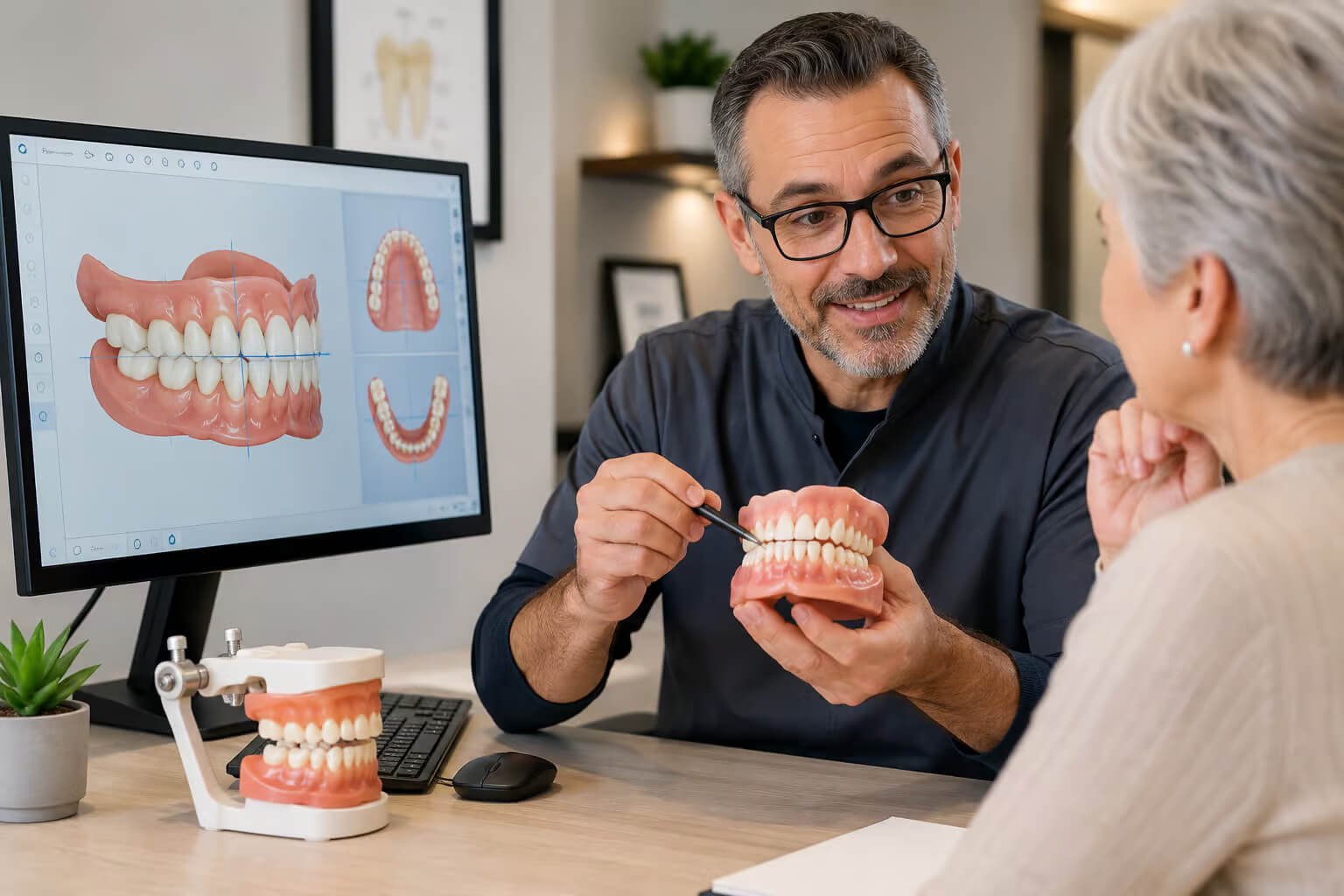
When digital bite records are combined with scans, photos, and prosthetic planning, the dentist can design the restoration around real function, not just anatomy. This is especially useful in full arch cases, where small bite discrepancies can affect speech, comfort, and facial balance. It also helps in single tooth implant cases, where one crown that hits too early can feel “too tall” even when it looks perfect.
Digital occlusion analysis gives the restorative team another layer of information before the final prosthetic is made. That can lead to a cleaner fit and a more predictable finish.
See also: Why Global Cooperation Matters in an Interconnected World
Fewer remakes and adjustments can reduce treatment fatigue and extra cost
People often focus on the visible result, which makes sense. You want teeth that look natural and feel secure. The hidden issue is treatment fatigue. Every extra adjustment, every return visit, every remake adds stress. If you work, care for family, or travel far for appointments, that burden builds quickly.
A more accurate bite record can lower the chance of repeated corrections. It does not promise perfection in one visit, because every mouth adapts differently, but it can reduce the trial and error that many patients fear. That matters financially too. Adjustments and remakes cost time even when they are covered in the office workflow.
This is one reason advanced prosthodontic training matters. Programs like the advanced education program in prosthodontics at UIC reflect how much planning, function, and restorative design shape long term outcomes for dentures and implants.
Digital bite analysis helps create a more natural feel during eating and speaking
The final goal is not just a restoration that stays in place. You want it to feel normal enough that you stop thinking about it every hour. Bite problems often show up in small ways first. Food feels harder to chew on one side. Certain words sound off. Your jaw gets tired by evening. You avoid tougher foods because the pressure feels wrong.
Denture and implant planning improves when the dentist can see these bite relationships more clearly before the final delivery. A balanced bite supports cleaner speech patterns, steadier chewing, and less muscle strain. For many patients, that is the difference between “I can wear this” and “this feels like part of me.”
Practical differences between traditional bite checks and digital bite analysis
| Planning Factor | Traditional Bite Check | Digital Bite Analysis |
|---|---|---|
| Contact detection | Shows where marks appear | Shows where contacts occur and how force is distributed |
| Timing | Limited ability to track sequence of contacts | Records which contacts happen first and how the bite shifts |
| Implant load review | More subjective | More objective review of high force areas |
| Denture adjustment planning | Often based on patient feedback and pressure points | Adds measurable bite data to comfort based adjustments |
| Repeatability | Can vary by material and technique | Often easier to compare records over time |
Steps you can take before starting denture or implant treatment
Ask how your bite will be evaluated. If you are planning dentures or implants, ask whether the office uses digital bite analysis, traditional bite records, or both. You do not need a lecture in dental engineering. You need to know how they reduce guesswork.
Describe your real symptoms clearly. Say if one side feels stronger, if your jaw clicks, if old dentures tip, or if chewing feels uneven. Those details help the dentist connect your symptoms to bite patterns instead of treating them as random complaints.
Choose a provider who plans the final function, not just the procedure. A good implant dentist or denture provider looks beyond surgery or impressions alone. The goal is a restoration that works when you eat, speak, and live with it every day.
If you are weighing dentures or implants, you do not need more confusion. You need a plan built on clear data, careful design, and a bite that supports comfort instead of fighting it. Digital bite analysis helps make that possible, and that can mean fewer adjustments, better function, and more confidence in the result.