Access Mats Explained: Rig Mats, Swamp Mats, Road Mats
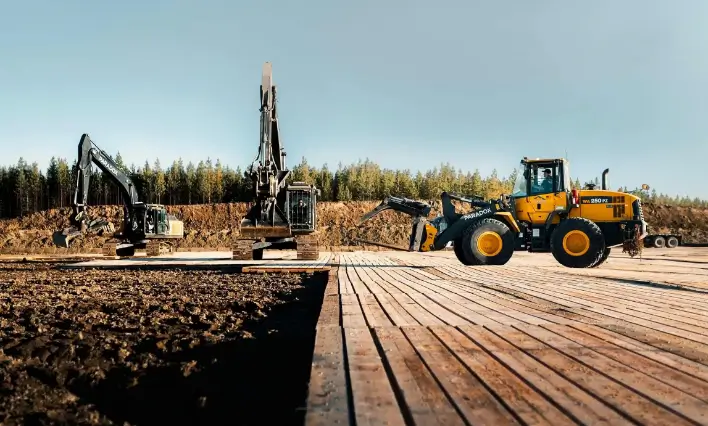
When construction equipment needs to cross soft and wet ground, utility vehicles need to access remote routes, or heavy machinery needs to reach sites that have not yet been paved, temporary access is often the key to the smooth start of the project.
Search access mats you might see rig mats, swamp mats, road mats, and ground protection mats at the same time. These names sometimes describe different uses or structures, and are sometimes cross-used by suppliers in different regions. If the order is placed only by name, the actual product received may not meet the equipment and site conditions.
This article will explain the common usage of these names, compare different materials and tasks, and help you organize the information you need to confirm before purchasing or leasing.
What Are Access Mats?
Access mats it is a pad system for temporary traffic or work areas. Depending on the specific design, they can be laid on soil, lawns, sand or other areas where ground impacts need to be controlled for use by people, vehicles or equipment.
Access mats may be made from timber, composite materials, steel, or plastic. Product size, structure, connection methods and handling requirements vary greatly: some are suitable for lighter vehicles and lawn protection, and some are used as part of heavy equipment traffic or engineering support systems.
Before selecting, distinguish whether the project needs a temporary road, a parking area for equipment, or a working platform bearing concentrated load. These tasks may require different products or different designs.
What Are Rig Mats?
Common Uses for Rig Mats
Rig mats commonly used for projects that require supporting heavy equipment or creating large temporary work areas, such as energy facilities, pipeline construction, and large equipment operations. Some of the products were also used on temporary roads.
Some rig mats use a combination of steel frame and timber, while other vendors may provide a different structure. The purpose and capacity of a specific product shall be subject to its design documents and project conditions.
If the project requires equipment to be continuously parked, loaded and unloaded, or operated in a fixed location, these tasks should be clarified to the supplier, not just the need for equipment to pass through the site.
Typical Construction and Materials
The common structure of Rig mats includes platforms made of steel and wood, but “rig mat” does not guarantee that all products will be of the same structure, size or connection method.
When comparing products, you should understand:
· Dimensions, weight and construction of single pad.
· Equipment required for handling, handling and laying.
· Whether connections, laps or specific laying directions are required.
· Product rating conditions and their applicable ground support.
· Cleaning, inspection, repair and removal requirements.
Larger plates may reduce the number of splices in some areas, but may also require larger transport and lifting equipment. In addition to procurement costs, on-site logistics should also be considered.
Traffic Routes vs. Work Platforms
The load when the vehicle is running is different from the concentrated load generated by the equipment legs or fixed support points. A backing plate suitable for vehicular traffic shall not automatically be considered suitable for any equipment leg.
The U.S. Occupational Safety and Health Administration’s requirements for applicable construction crane operations, and the ground conditions should be combined with the necessary support materials to meet the equipment manufacturer’s requirements for support and flatness. When cranes or other concentrated loads are involved, they should be evaluated on a plant-specific and site-specific basis.
What Are Swamp Mats?
Access Over Wet or Soft Ground
Swamp mats often used to describe a temporary pad facing a soft, wet ground, marsh, or other sensitive area. However, in some areas, the name may also be used interchangeably with access mats, which does not correspond to a globally uniform product structure.
Such products may be used for utility lines, forestry, pipeline construction or other projects that require crossing wet areas. They can be part of the site access scheme, but their suitability for a particular surface requires assessment of equipment loads, soil conditions and paving systems.
Common Materials and Site Conditions
Swamp mats may be in different forms of timber or other materials. The width, structure, connection method and ground support of the base plate will affect the actual performance.
The U.S. Forest Service notes that timber mats or other pad systems can be used on some low-traffic roads and wet and soft areas to help reduce soil impact. However, the backing plate cannot prevent resource damage in all cases.
If the backing plate has obvious subsidence, displacement or damage, the passage shall be suspended and the ground and equipment shall be inspected. Weather, rain or repeated traffic may cause changes in the otherwise available route. Tracked machines that keep churning through soft, wet ground also strain their drivetrain, so crews should promptly replace a worn excavator final drive motor once leaks or grinding noises appear.
Wetland and Ground Protection Limits
Where wetlands, waterways or other sensitive areas are involved, the land management requirements and permits that may be required shall be identified prior to the commencement of the project.
Swamp mat is not a voucher for automatic permission to cross wetlands or waterways. The method of temporary laying, removal, drainage and restoration requirements shall be determined by the specific location and applicable regulations.
When re-used across sites, the pads should also be cleaned in conjunction with local requirements to avoid carrying soil, plant seeds or other contaminants into the new site.
What Are Road Mats?
Temporary Roads for Vehicles and Equipment
Road mats usually used to form temporary vehicle routes. They can be used for construction entrances, equipment access routes, utility maintenance routes, or other areas where there are no ready roads.
Road mats can be made of a variety of materials and structures, including timber, composite or plastic. The size and connection methods of different products may be different, so it should be selected according to equipment, route and ground, rather than treating all road mats as the same product.
For projects that need to form temporary access routes, you can first understand temporary ground protection mats product form, and then confirm the vehicle and site conditions with the supplier.
Surface Protection and Repeated Traffic
Some road mats are used to protect lawns, finished landscapes or other surfaces, while others are used for more frequent construction traffic. Confirm when selecting:
· The working weight and tire or track form of the heaviest vehicle.
· Estimated number of passes, and whether two-way traffic is required.
· Whether the ground is flat, soft or wet.
· Surface, root zone of trees and underground facilities requiring protection.
· Project duration and weather changes.
Even if the weight of the vehicle does not change, repeatedly passing the same position may change the state of the ground or the pad, so it is necessary to check the route during use.
Connection, Turning, and Route Planning
The route shall cover actual entrances, exits, turns and loading and unloading areas. When the vehicle is turning or turning in place, it may exert additional effects on the edge of the pad and the connection position.
When installing, follow the product instructions to confirm that the connections, joints and edges of the backing plate are suitable for the intended traffic. If the ground is rutted, the backing plate is displaced or the connection is damaged, it should be stopped and re-evaluated.
See also: Short-Form Video Marketing for Business Growth
Rig Mats vs. Swamp Mats vs. Road Mats
The following table summarizes common uses. Due to regional and supplier differences in the name, it cannot replace specific product information.
| Name | Common Use | Possible Product Forms | Key Question |
| Access mats | Temporary site access or ground protection | Timber, composite, plastic, or other systems | Is the product intended for traffic, a work area, or both? |
| Rig mats | Heavy equipment access or temporary work areas | Some use steel frames with timber; designs vary | What loads and support conditions is the product designed? |
| Swamp mats | Access across wet or soft terrain | Timber or other mat systems; terminology varies | What ground conditions and site restrictions apply? |
| Road mats | Temporary routes for vehicles and equipment | Timber, composite, plastic, or other products | What vehicles, turning movements, and traffic frequency are expected? |
Compare the Task Before the Name
Multiple pads may be required for the same project. For example, equipment access routes may need to withstand repeated vehicle traffic, while work areas may need to assess loads from fixed equipment, feet, or material stockpiles.
If the supplier refers to the product as a “heavy-duty road mat”, the specific use, rating and installation requirements should still be checked. Similarly, a 1 product called a “rig mat” does not justify its suitability for all lifting operations by name alone.
Where the Names Overlap
In some areas, swamp mats may refer to specific multi-layer timber products; in other areas, it may also refer generally to temporary pads suitable for wet and soft ground. Road mats and access mats may also be used to describe similar road products.
When comparing quotations, it is more meaningful to ask each supplier to provide a description of the product under the same project conditions than to simply compare names.
Questions to Ask Before Ordering
· Is the product used for vehicle traffic, equipment parking or fixed support?
· What ground and test conditions are the rated capacity based on?
· Is it suitable for tires, tracks and expected steering?
· What are the use restrictions on wet and soft ground or sloping land?
· Is site design, additional support or professional evaluation required?
· How to transport, lay, connect, inspect and dismantle?
Timber, Composite, and HDPE Access Mats
Material and Product Construction
Timber mats it may be composed of wooden boards or wooden beams, and the structural form varies from product to product. They can be used for temporary access or engineering support, but the weight of the individual blocks, the connection structure and the actual use need to be confirmed separately.
Composite mats is a broader product category and may be of different materials and construction. The size, connection, surface and rating conditions of different products may vary significantly.
High-density polyethylene, referred to as HDPE, can be used for some ground protection mats and temporary pass products. HDPE does not decay due to water absorption like wood, but the product may still be damaged due to improper load, environment or handling.
Handling, Cleaning, and Reuse
Some pads require lifting or mechanical equipment handling; some smaller products may be more convenient to move on site. Whether it can be handled by personnel shall be judged according to the weight, size, site conditions and applicable operating requirements of the individual blocks.
Before repeated use, check for cracks, breakage, deformation, connection parts and other damages. Soil and residue shall also be removed in accordance with site requirements prior to transport across the project.
Requirements for cleaning, storage, maintenance and scrapping can be asked at the same time during procurement. These factors affect project turnaround efficiency and long-term costs.
Why Material Alone Does Not Determine Capacity
“Timber”, “composite” or “HDPE” can only indicate part of the material information, and cannot alone indicate how much load the product can withstand. The thickness, structure, dimensions, support conditions and load forms are equally important.
The nominal bearing data of a product also does not automatically prove that the underlying foundation is sufficient to support the equipment. When comparing products, the supplier should be required to explain the applicable conditions of the data and provide complete equipment and site information.
How to Choose the Right Access Mat System
Define Traffic and Ground Conditions
Before selecting access mats, confirm the maximum equipment and the most unfavorable ground conditions in the project. For phased construction, vehicles used in different phases should be checked instead of only considering the first equipment on site.
Suggested finishing:
1. Equipment model, maximum working weight and accessories.
2. The contact mode of tires, tracks or feet.
3. Whether it is necessary to turn, turn in place or repeat traffic.
4. Soil condition, slope, ponding and drainage.
5. Route length, width, entrance and loading and unloading area.
6. Use time, weather changes and subsequent demolition requirements.
7. Underground facilities, tree root zones, wetlands and other site restrictions.
Separate Moving Loads from Concentrated Loads
The following table can be used to determine who needs to be confirmed next and is not a substitute for on-site design.
| Project Task | Main Concern | Information to Confirm | Next Step |
| Vehicle access route | Moving loads and repeated traffic | Vehicle weight, tires or tracks, route, and ground | Ask the supplier to assess suitable traffic mats |
| Equipment parking | Sustained loading and ground deformation | Equipment weight, contact area, duration, and ground | Confirm whether the proposed system supports the intended use |
| Crane outrigger setup | Concentrated loads and stability | Equipment configuration, support reactions, and ground conditions | Obtain an appropriate site-specific support assessment |
| Wetland or water crossing | Ground disturbance and site restrictions | Terrain, crossing design, permissions, and restoration | Confirm applicable requirements and specialist design |
| Sensitive turf or finished surface | Surface wear and underlying support | Vehicle type, contact area, turning, and cover duration | Select a product suited to the surface and intended traffic |
If you are comparing temporary ground protection products, you can pass www.okayplastic.com understand related products and prepare project materials for further communication.