Can Duct Sealing Fix Uneven Temperatures Without Replacing the HVAC System?
Uneven temperatures in a home or business can be frustrating, leading to discomfort and higher energy bills. Many property owners assume that replacing the entire HVAC system is the only solution, but this is not always necessary. Duct sealing is an effective method that addresses temperature inconsistencies by improving airflow and system efficiency. By targeting leaks and gaps in the ductwork, duct sealing can help maintain consistent temperatures throughout the building. Understanding how duct sealing works and its impact on indoor comfort can help you decide if this solution is right for your property without the need for a costly HVAC replacement.
How duct sealing addresses temperature issues
Understanding Uneven Temperatures in Buildings
Uneven temperatures are a common issue in both residential and commercial buildings. This problem often manifests as certain rooms feeling much warmer or cooler than others, regardless of thermostat settings. Several factors contribute to this phenomenon, including poor insulation, blocked vents, and, most notably, leaky or poorly designed ductwork. When ducts have gaps, cracks, or loose connections, conditioned air escapes before reaching its intended destination. This loss of air means that some rooms receive less heating or cooling, resulting in noticeable temperature differences. Additionally, the HVAC system must work harder to compensate for the lost air, which can increase energy consumption and wear on the equipment. Addressing the root cause of uneven temperatures is essential for improving comfort and reducing utility costs. Duct sealing targets these issues directly by ensuring that air travels efficiently through the duct system, reaching every room as intended.
The Role of Ductwork in HVAC Performance
Ductwork serves as the circulatory system of any forced-air HVAC setup, distributing heated or cooled air throughout the building. When ducts are properly sealed and maintained, they deliver air efficiently and evenly, helping to maintain consistent temperatures in every space. However, over time, ducts can develop leaks due to age, vibration, or improper installation. Even small leaks can have a significant impact, allowing conditioned air to escape into attics, crawl spaces, or walls instead of reaching living areas. This not only causes uneven temperatures but also forces the HVAC system to run longer cycles, increasing energy use and utility bills. Sealing the ducts restores the integrity of the system, ensuring that air is delivered where it is needed most. For property owners seeking a solution to temperature imbalances, duct sealing offers a practical and cost-effective alternative to replacing the entire HVAC system. Companies like GSSN LLC provide professional duct sealing services that can make a noticeable difference in comfort and efficiency.
Benefits of Duct Sealing for Comfort and Efficiency
Duct sealing offers several advantages beyond simply fixing uneven temperatures. By eliminating leaks and gaps, duct sealing helps maintain a balanced airflow throughout the building, ensuring that every room receives the right amount of conditioned air. This leads to improved comfort, as occupants no longer experience hot or cold spots. Additionally, duct sealing can enhance indoor air quality by preventing dust, allergens, and pollutants from entering the duct system through leaks. Improved air quality contributes to a healthier living or working environment, especially for individuals with allergies or respiratory conditions. Another significant benefit is energy savings. When ducts are sealed, the HVAC system operates more efficiently, reducing the amount of energy required to heat or cool the space. This can result in lower utility bills and a reduced carbon footprint. Over time, the investment in duct sealing can pay for itself through these energy savings and by extending the lifespan of the HVAC equipment, as the system does not have to work as hard to maintain desired temperatures.
How Duct Sealing Works
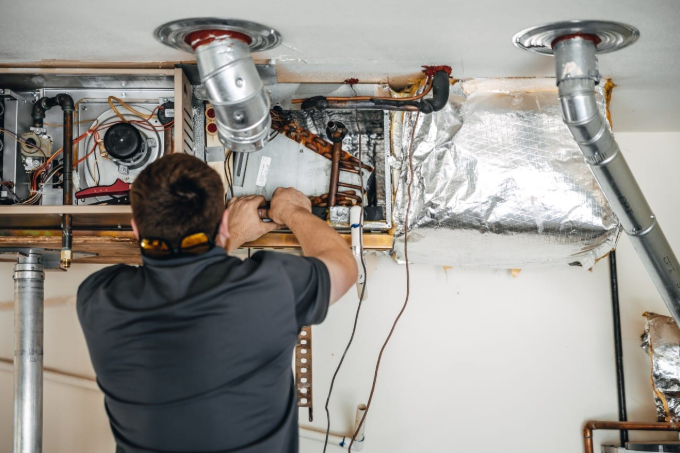
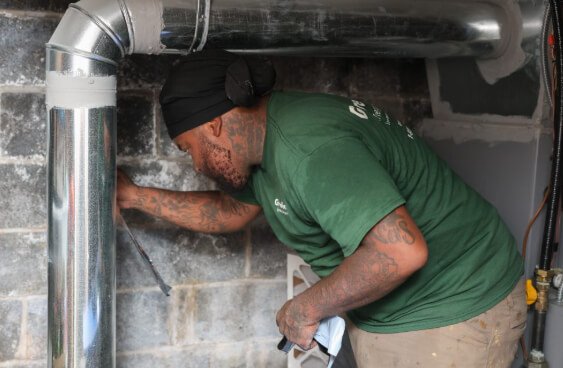
Duct sealing is a process that involves identifying and repairing leaks, gaps, and loose connections in the ductwork. Technicians typically begin by inspecting the entire duct system, using tools such as smoke pencils, pressure tests, or thermal imaging to locate problem areas. Once leaks are identified, they are sealed using mastic sealant, metal tape, or aerosol-based products designed specifically for ductwork. The goal is to create an airtight seal that prevents conditioned air from escaping and unconditioned air from entering the system. In some cases, additional insulation may be added to further improve efficiency. The process is non-invasive and can usually be completed within a day, depending on the size and complexity of the duct system. After sealing, technicians may perform follow-up tests to ensure that the repairs are effective and that airflow has been restored to all areas of the building. Properly sealed ducts can make a significant difference in both comfort and energy efficiency, often eliminating the need for more extensive HVAC upgrades.
When Duct Sealing May Not Be Enough
While duct sealing is highly effective for many buildings, there are situations where it may not fully resolve uneven temperature issues. If the ductwork is severely damaged, improperly sized, or poorly designed, sealing alone may not be sufficient. In such cases, sections of the duct system may need to be replaced or redesigned to ensure proper airflow. Additionally, other factors such as inadequate insulation, malfunctioning HVAC components, or blocked vents can contribute to temperature imbalances. It is important to have a comprehensive assessment of the entire HVAC system and building envelope to identify all potential causes. Addressing these issues in conjunction with duct sealing can provide the best results. In rare cases, if the HVAC system is outdated or undersized for the building, replacement may be necessary to achieve optimal comfort and efficiency. However, for most properties with otherwise functional systems, duct sealing remains a practical first step before considering more costly solutions.
Duct Sealing: A Quick Overview
Duct sealing involves locating leaks in the ductwork and applying sealant or tape to close gaps. This process helps prevent air loss, improves system efficiency, and can be completed quickly by trained technicians. It is a non-invasive solution that often delivers immediate improvements in comfort and energy savings.
Choosing the Right Solution for Your Property
Deciding whether duct sealing is the right solution depends on the specific conditions of your property. If you notice uneven temperatures, high energy bills, or excessive dust, a professional duct inspection can help determine if leaks are the primary cause. Many property owners are surprised to learn how much air can be lost through even small gaps in the ductwork. By addressing these leaks, you can often restore comfort and efficiency without the need for a full HVAC replacement. It is important to work with a reputable service provider who can accurately diagnose the issue and recommend the most effective course of action. In many cases, duct sealing is a straightforward and affordable solution that delivers lasting results. However, if additional problems are identified, such as inadequate insulation or outdated equipment, a more comprehensive approach may be necessary. Ultimately, the goal is to create a comfortable, energy-efficient environment that meets your needs and budget.
Conclusion
Duct sealing is a proven method for addressing uneven temperatures in homes and businesses without the need to replace the entire HVAC system. By targeting leaks and gaps in the ductwork, this process restores balanced airflow, improves comfort, and enhances energy efficiency. While duct sealing may not solve every issue related to temperature imbalances, it is often the most practical and cost-effective first step. A thorough inspection by a qualified technician can help determine if duct sealing is right for your property or if additional measures are needed. Investing in duct sealing can lead to immediate improvements in comfort, lower utility bills, and a healthier indoor environment, making it a valuable option for property owners seeking to resolve uneven temperatures.