How Can You Tell Whether Salt Air Is Damaging Your Outdoor AC Unit?
Living near the coast brings many benefits, but it also introduces unique challenges for homeowners, especially when it comes to maintaining outdoor appliances like air conditioning units. Salt air, carried by ocean breezes, can have a significant impact on the longevity and performance of your outdoor AC system. Over time, exposure to salty moisture can lead to corrosion, reduced efficiency, and even system failure if not addressed promptly. Understanding the signs of salt air damage and knowing how to protect your investment is crucial for anyone residing in coastal regions. This guide will help you recognize the warning signals and take proactive steps to safeguard your outdoor AC unit.
What to Expect from This Guide
Recognizing the Signs of Salt Air Damage
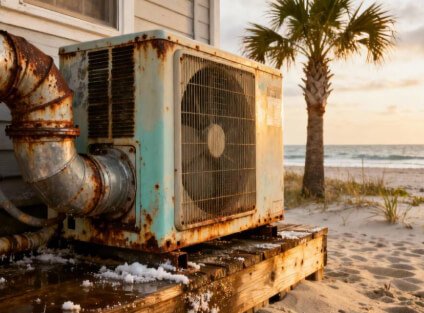
Salt air damage to outdoor AC units often starts subtly, making it easy to overlook until more serious problems arise. One of the earliest indicators is the appearance of rust or corrosion on the metal components of your unit, particularly on the condenser coils and the casing. This corrosion can manifest as reddish-brown spots or a powdery residue, signaling that the protective coatings are being compromised. Another sign to watch for is a decline in cooling performance. If your AC seems to be running longer than usual or struggling to maintain the desired temperature, salt-induced corrosion may be affecting the efficiency of the heat exchange process. Additionally, you might notice unusual noises coming from the unit, such as rattling or grinding, which can result from corroded parts or debris buildup caused by salt deposits. Paying attention to these early warning signs can help you address issues before they escalate into costly repairs or complete system failure.
How Salt Air Causes AC Unit Problems
Salt air is particularly aggressive because it contains tiny salt particles that are carried by the wind and settle on exposed surfaces. When these particles land on your outdoor AC unit, they attract moisture from the humid coastal air, creating an environment where corrosion can thrive. Over time, this combination of salt and moisture eats away at the metal components, including the condenser coils, fan blades, and even electrical connections. The process is gradual but relentless, and without regular maintenance, the damage can become extensive. Homeowners who live within a few miles of the ocean are especially vulnerable, as their units are exposed to higher concentrations of salt in the air. Regular inspection and cleaning are essential to minimize the impact of salt air and extend the life of your AC system. For those seeking reliable maintenance and repair services, McCall’s HVAC is a trusted name in the industry, offering solutions tailored to the challenges of coastal environments.
The Impact of Corrosion on Performance
Corrosion caused by salt air does more than just affect the appearance of your outdoor AC unit; it can significantly reduce its performance and efficiency. When the condenser coils become coated with a layer of rust or salt residue, they are less effective at transferring heat. This means your AC has to work harder to cool your home, leading to increased energy consumption and higher utility bills. Over time, the added strain can cause components to wear out faster, resulting in more frequent breakdowns and the need for costly repairs. In severe cases, corrosion can cause refrigerant leaks or electrical failures, both of which can render the unit inoperable. Addressing corrosion early is key to maintaining optimal performance and avoiding unexpected expenses. Regular cleaning, protective coatings, and professional inspections can help mitigate the effects of salt air and keep your system running smoothly.
Quick Tips for Coastal Homeowners
If you live near the ocean, consider rinsing your outdoor AC unit with fresh water every few weeks to remove salt deposits. Scheduling professional maintenance at least twice a year can also help catch early signs of corrosion and prevent major issues. Using protective covers during the off-season may further reduce exposure to salt air.
Preventive Maintenance Strategies
Preventive maintenance is the most effective way to protect your outdoor AC unit from the damaging effects of salt air. Start by scheduling regular inspections with a qualified technician who can identify early signs of corrosion and recommend appropriate treatments. Cleaning the condenser coils and other exposed parts with fresh water helps remove salt buildup before it can cause harm. Applying anti-corrosion coatings to vulnerable components provides an additional layer of defense against the harsh coastal environment. It is also important to keep the area around your AC unit clear of debris and vegetation, as these can trap moisture and accelerate corrosion. Investing in a high-quality unit designed for coastal use can offer enhanced resistance to salt air, but even these models require diligent care. By staying proactive with maintenance, you can extend the lifespan of your AC system and ensure reliable performance throughout the year.
When to Seek Professional Help
There are times when DIY maintenance is not enough to address the effects of salt air on your outdoor AC unit. If you notice persistent rust, reduced cooling efficiency, or unusual noises that do not resolve with basic cleaning, it may be time to call in a professional. Technicians have the tools and expertise to perform thorough inspections, identify hidden damage, and carry out necessary repairs. They can also recommend upgrades or replacements if your unit has suffered extensive corrosion. Regular professional servicing not only helps maintain optimal performance but also provides peace of mind, knowing that your system is being cared for by someone with experience in coastal environments. Early intervention can prevent minor issues from turning into major problems, saving you time and money in the long run.
Conclusion
Salt air poses a unique threat to outdoor AC units, especially for those living in coastal areas. Recognizing the early signs of damage, such as corrosion, reduced efficiency, and unusual noises, is essential for preventing costly repairs and extending the life of your system. Regular maintenance, including cleaning, protective coatings, and professional inspections, can help mitigate the effects of salt air and keep your AC running smoothly. By staying vigilant and proactive, you can enjoy the comfort of a cool home without the worry of unexpected breakdowns or expensive replacements. Taking these steps ensures that your investment remains protected, allowing you to make the most of coastal living while minimizing the impact of the environment on your outdoor appliances.